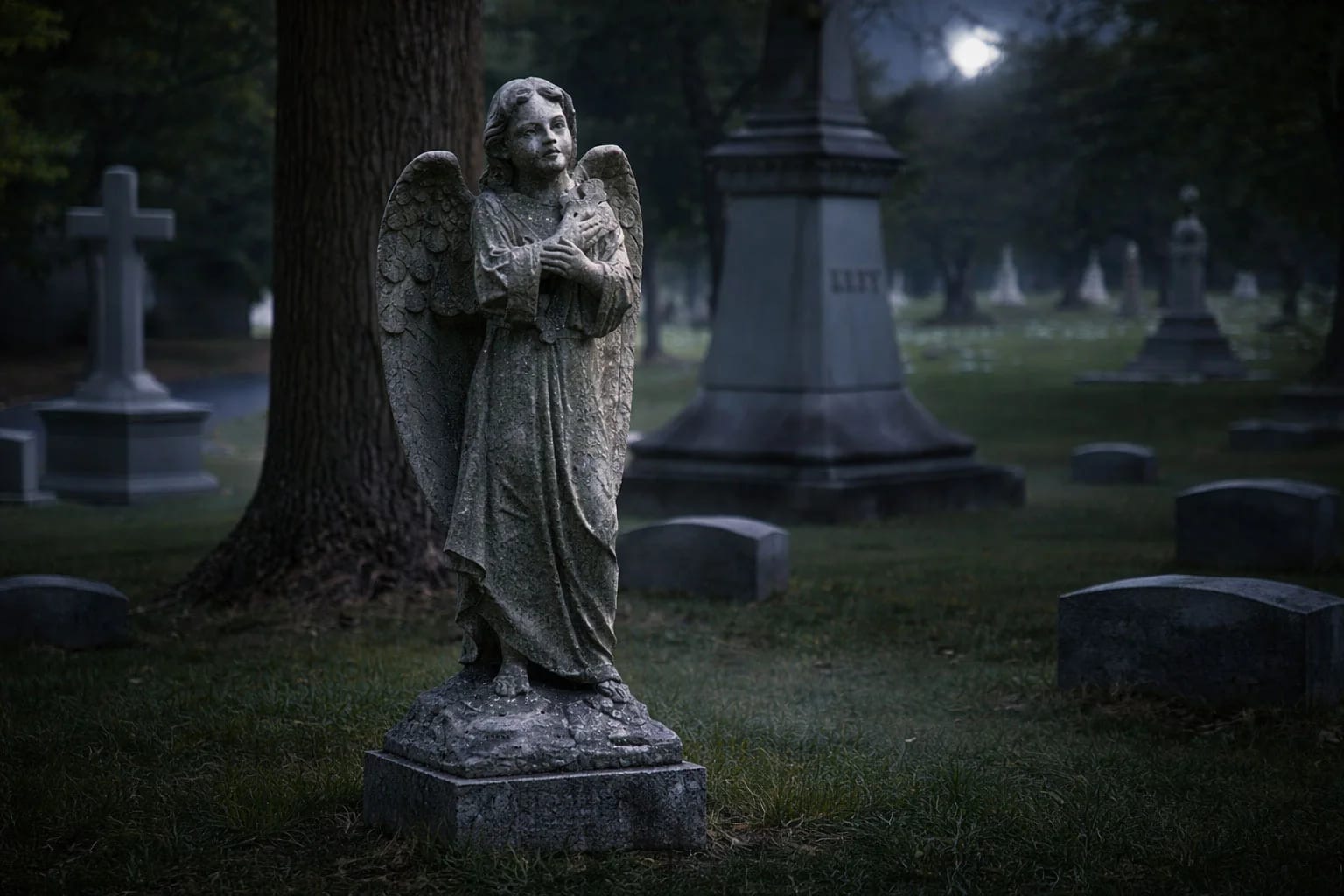
Haunted Cemeteries in America

Historic burial grounds with enduring ghost stories, what sets each apart, and what we know about visiting each one today.

40 places in 23 destinations · Sources checked October 28, 2026

This edition includes 40 of the 41 we have written about; the others are still being researched or need more material before we add them.

Cemeteries hold a city's history in a way few other places do. The names on the stones belong to founders and signers, soldiers and sailors, epidemic victims and families who never made the history books, and the ghost stories that gather around these grounds tend to grow from that history. This collection brings together historic cemeteries and burial grounds that carry long-told ghost stories, together with what we know about visiting each one today.

They are not all alike. Some are colonial churchyards tucked between city buildings; others are sprawling Victorian garden cemeteries designed for strolling, a frontier graveyard on an Arizona hillside, or a walled New Orleans city of above-ground tombs. Access differs too: many are open daily, some only on limited days or with an authorized guide; one is private family land and one no longer exists as a cemetery; for some we could not confirm current access. Each entry shows that status as we last checked it.

These places come from our own coverage and were chosen by our team. Most are in cities where we run tours; a few lie outside them or in destinations we write about without touring, and their entries give the actual location. This is not a nationwide survey or a ranking. Use it to compare the kinds of history and the kinds of stories each cemetery offers, then read our full article on any that catch your interest.

This collection covers the historic cemeteries and burial grounds we have written about, whether or not the public can visit them today. Every entry is named by its actual city and state. A few are outside the cities we tour or in destinations where we do not run tours. A tour includes a place only where its entry says “Featured on.” It is not a survey of every haunted cemetery in the country.

40 places

At a glance

Comparison of the places in this collection
PlaceLocationEraThe storyToday
Bonaventure CemeterySavannah, GA1846Child's statue legendOpen to the public
Colonial Park CemeterySavannah, GA1750Shadow figures, local legendOpen to the public
Circular Congregational Church GraveyardCharleston, SCc. 1681Mourning woman, shadow figuresOpen to the public
Huguenot CemeterySt. Augustine, FL1821–1884Judge at his monumentLimited access
White Oak Flats CemeteryGatlinburg, TN—Woman in black, phantom bellStatus not confirmed
Greenwich CemeterySavannah, GA1933Shadow figures, cold spotsOpen to the public
Laurel Grove CemeterySavannah, GA1850Daylight footstepsOpen to the public
Tolomato CemeterySt. Augustine, FL1777–1884Lady in period dressLimited access
Nashville City CemeteryNashville, TN1822Haunted boulder markerOpen to the public
Tomb of James K. and Sarah Polk, Tennessee State Capitol groundsNashville, TN1893Presidential apparitionOpen to the public
Former Pegram town cemeteryPegram, TN (Cheatham County)—Disturbed burial groundFormer cemetery site
St. Louis Cemetery No. 1New Orleans, LA1789Voodoo queen, lost sailorGuided entry only
Broadway Cemetery Historic DistrictGalveston, TX1839–1939Executed deserter, layered gravesStatus not confirmed
Evergreen CemeteryGalveston, TX1900Great Storm victimsStatus not confirmed
New City Cemetery / Old CahillGalveston, TX1867Phantom doctor, epidemicStatus not confirmed
Old City Cemetery, Broadway Cemetery DistrictGalveston, TX1839Reburied dune gravesStatus not confirmed
Glenwood CemeteryHouston, TX1871Weeping woman, soldiersOpen to the public
Metairie CemeteryNew Orleans, LA1872The Flaming TombStatus not confirmed
St. Roch Cemetery No. 1New Orleans, LA1874Ghost dog, hooded figureOpen to the public
Lafayette Cemetery No. 1New Orleans, LA1833Yellow fever years, Anne Rice loreGuided entry only
Oakwood CemeteryAustin, TX1839Frontier capital loreOpen to the public
Chinese GraveyardSan Antonio, TX (South Side)—Family legendNot open to the public
Charter Street CemeterySalem, MA1637Lady in WhiteOpen to the public
Granary Burying GroundBoston, MA1660Revolutionary patriotOpen to the public
King's Chapel Burying GroundBoston, MA1630Headless woman, grave bellOpen to the public
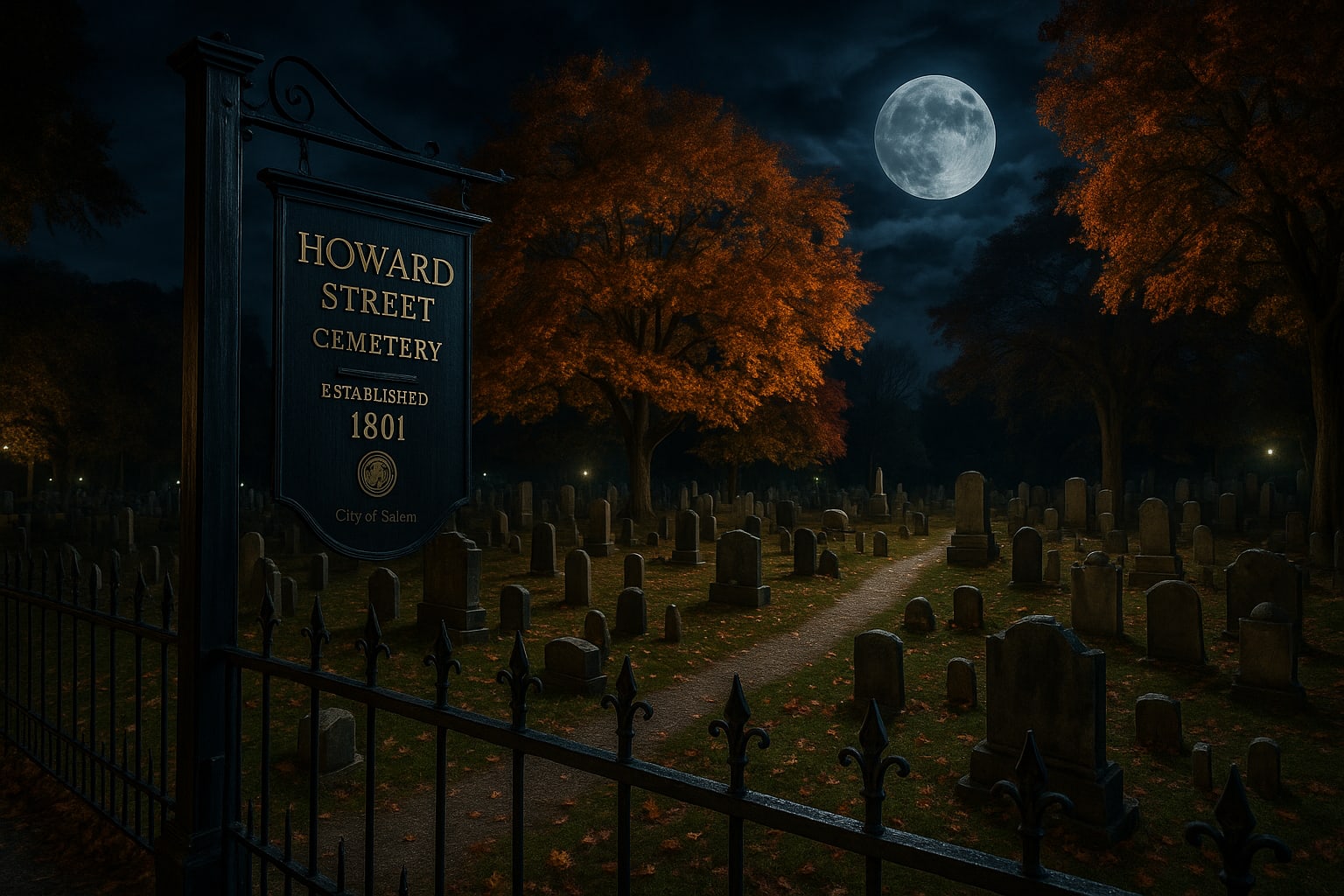
Howard Street CemeterySalem, MA1801Witch trials curseOpen to the public
Copp's Hill Burying GroundBoston, MA1659Shadow figures, Mather tombOpen to the public
Gettysburg National CemeteryGettysburg, PA1863Civil War soldiersOpen to the public
Hollywood CemeteryRichmond, VA1847Vampire legend, iron dogOpen to the public
Christ Church Burial GroundPhiladelphia, PA1719Founding father's figureOpen to the public
Westminster Hall and Burying GroundBaltimore, MD1786Phantom gravedigger, PoeOpen to the public
Bellefontaine Cemetery and ArboretumSt. Louis, MO1849Lady in BlackOpen to the public
Graceland CemeteryChicago, IL1860Haunted statuesOpen to the public
Lincoln Tomb State Historic SiteSpringfield, IL1874Presidential mourningOpen to the public
Bachelor's Grove CemeteryBremen Township (near Midlothian), IL—White Lady, phantom houseOpen to the public
Calvary CemeterySt. Louis, MO—Praying figuresOpen to the public
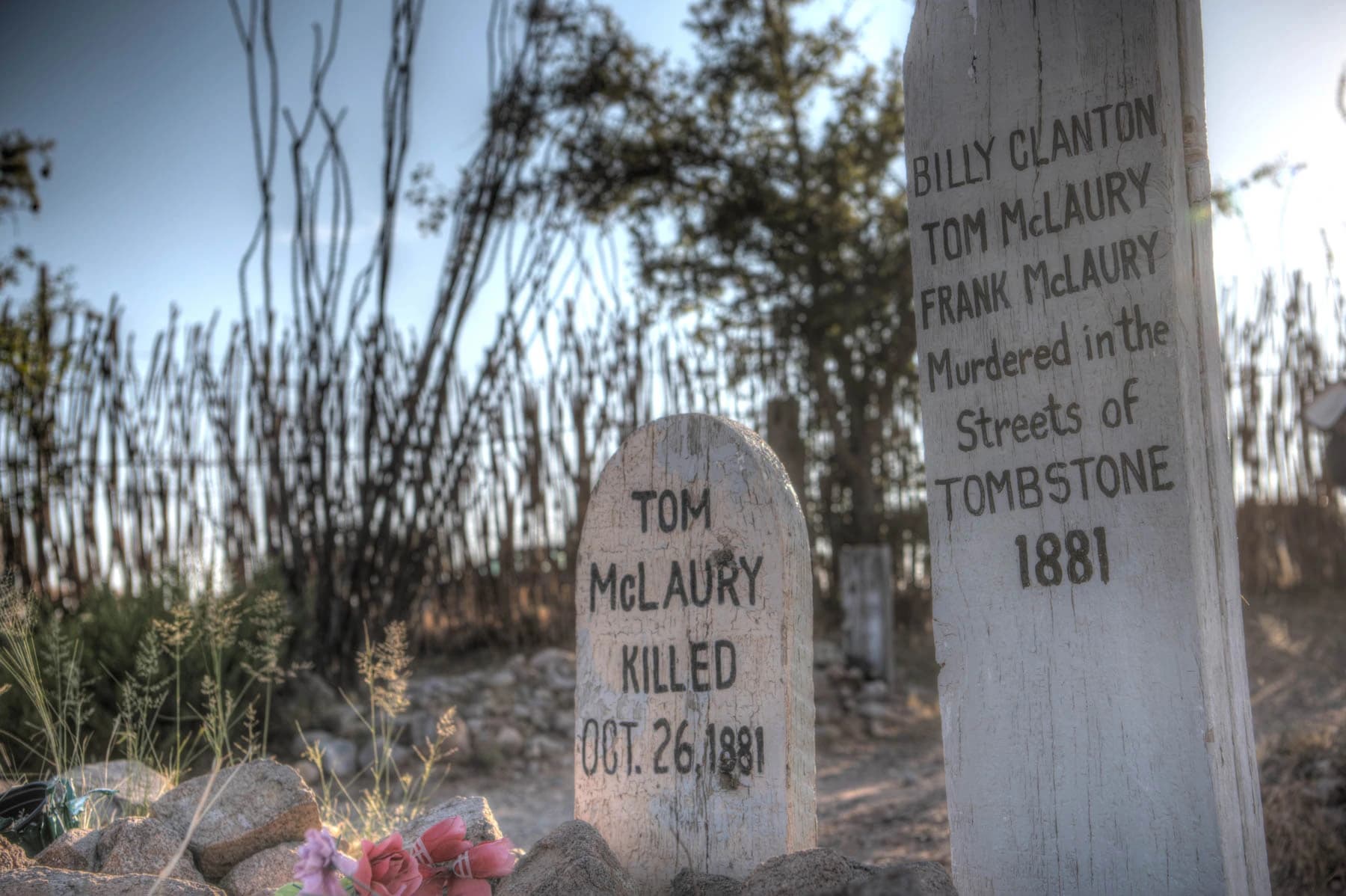
Boothill GraveyardTombstone, AZAbandoned 1884Gunfight and frontier ghostsOpen to the public
Lone Fir Pioneer CemeteryPortland, OR1846Shadow figuresOpen to the public
El Campo Santo CemeterySan Diego, CA1849Disturbed gravesStatus not confirmed
San Francisco ColumbariumSan Francisco, CA1898Victorian woman in the galleriesOpen to the public

The Southeast

Burial grounds spanning more than two centuries, from Charleston's colonial churchyard and Savannah's 1750 city cemetery to moss-hung Victorian garden cemeteries, St. Augustine's old graveyards, Nashville's oldest public cemetery and a presidential tomb, and a vanished town cemetery outside Nashville.

Savannah, GAOpen to the public

Bonaventure Cemetery

1846Child's statue legend

Choose Bonaventure for the Victorian garden-cemetery experience at its most atmospheric: live oaks, Spanish moss and carved marble monuments on a bluff above the Wilmington River. Where Colonial Park is a compact colonial ground in the middle of town, Bonaventure is a landscape made for slow walking, and its stories are quieter, centered on a much-loved statue.

The story people tell

The story most often told here centers on the life-sized marble statue that marks the grave of six-year-old Gracie Watson, who died in 1889; our article describes her seated in a small chair. Visitors leave toys and flowers at the grave, and some say they have seen a young girl near the statue, heard childlike laughter in that part of the grounds, or noticed the statue's expression seeming to change with the light.

History we checked · 3 sources
  • Bonaventure was purchased for a private cemetery in 1846. (City of Savannah)
  • It became a public cemetery in 1907. (City of Savannah)
  • Gracie Watson, daughter of the Pulaski House hotel's manager, died of pneumonia in 1889, and her parents commissioned sculptor John Walz to make the statue at her grave. (source)

Today: Open to the public (Open daily 8am–5pm.) — verified October 28, 2026 (source)

Savannah, GAOpen to the public

Colonial Park Cemetery

1750Shadow figures, local legend

Colonial Park is the colonial counterpart to Bonaventure: a city burying ground opened in 1750 in the heart of Savannah's historic district, where Revolutionary War general Nathanael Greene once lay. It suits readers drawn to eighteenth-century history and to the question of how a ghost story grows, since its most famous legend is one our own article openly questions.

The story people tell

The cemetery's best-known legend is that of Rene Rondolier, a towering figure said to walk the grounds or appear near a tree at the back of the cemetery. Our article notes that no such person has been found in historical records, so the tale is told as legend. Visitors have also described shadowy figures moving among the vaults and a green mist drifting between the stones.

History we checked · 3 sources

Today: Open to the public (Pedestrian hours 8am–5pm (Nov–Mar) and 8am–8pm (Mar–Nov).) — verified October 28, 2026 (source)

Charleston, SCOpen to the public

Circular Congregational Church Graveyard

c. 1681Mourning woman, shadow figures

Pick this graveyard for a compact colonial burial ground rather than a landscaped park: the church calls it Charleston's oldest, with monuments dating from 1695, and it sits beside a congregation founded around 1681 that still worships there, at the center of the historic district. Its stories cluster around mourners and the weight of the city's early epidemics.

The story people tell

The account most often repeated here is of a woman in Victorian mourning dress seen among the old headstones, whose identity no one has been able to name. Visitors have also described dark shadow figures moving between the graves after dark, and some say they have seen a soldier standing at attention in the part of the graveyard tied to the Civil War years.

History we checked · 2 sources
  • The dissenting congregation was founded about 1681 by English Congregationalists, Scots Presbyterians and French Huguenots, and its first meeting house on this site gave Meeting Street its name. (Circular Congregational Church)
  • The church describes the graveyard as Charleston's oldest burial ground, with monuments dating from 1695. (Circular Congregational Church)

Today: Open to the public — verified October 28, 2026 (source)
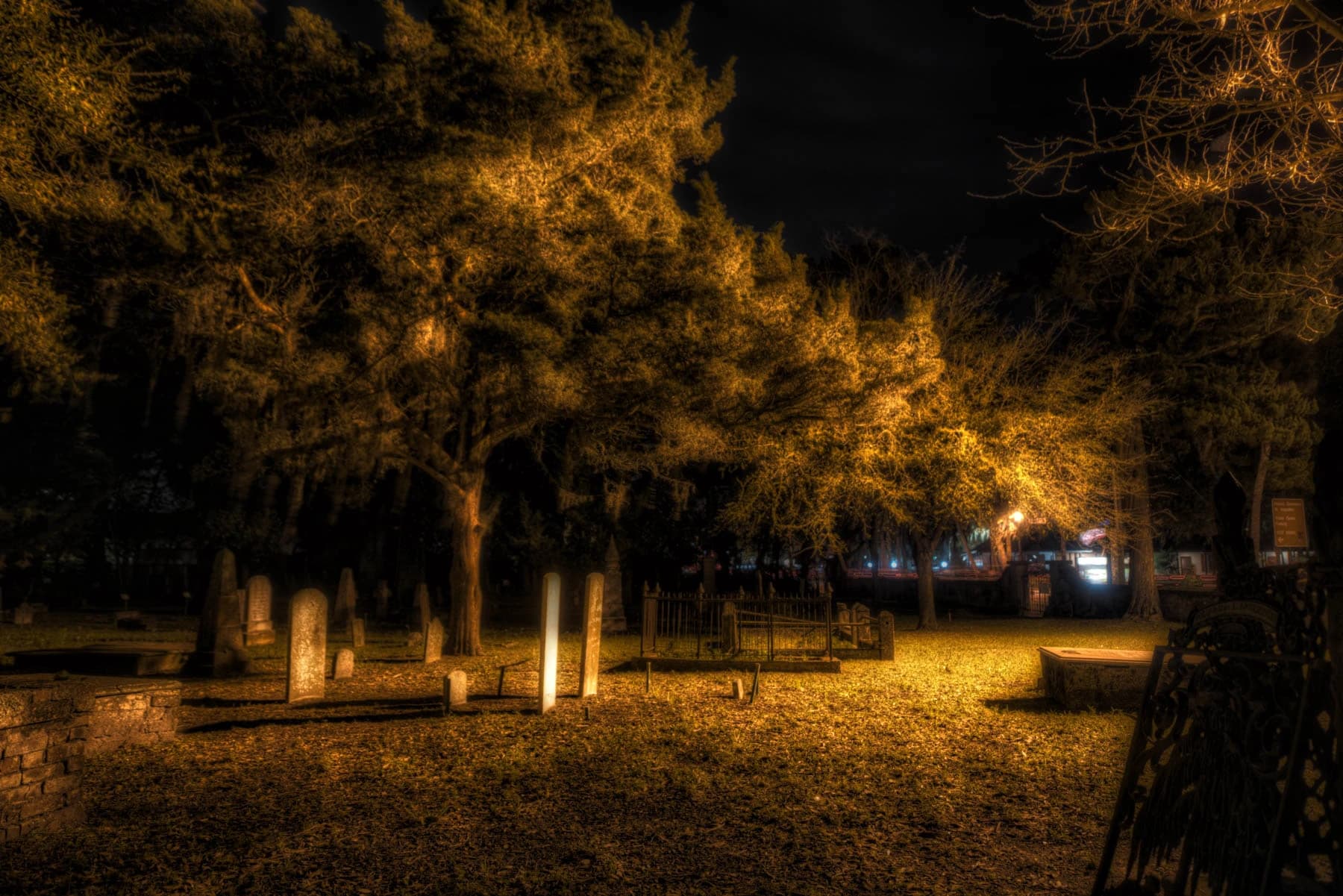
St. Augustine, FLLimited access

Huguenot Cemetery

1821–1884Judge at his monument

Huguenot Cemetery tells a story none of the others here do: a small Protestant burial ground in a city shaped by Catholic Spain, used for only about six decades in the nineteenth century. It is a short, self-contained chapter of history rather than a sprawling landscape, and its lore turns on one prominent monument and the town's yellow fever years.

The story people tell

Local lore centers on Judge John B. Stickney and a tall monument our article associates with him, standing out in the small cemetery. Witnesses describe a gentleman in old-fashioned formal wear standing beside it in the evening, gesturing as if arguing before an unseen jury, and some say his voice carries through the grounds during thunderstorms.

History we checked · 2 sources

Today: Limited public access: Open only on the third Saturday of each month, 11am–2pm, with docents; can be viewed from outside the fence any day. — verified October 28, 2026 (source)
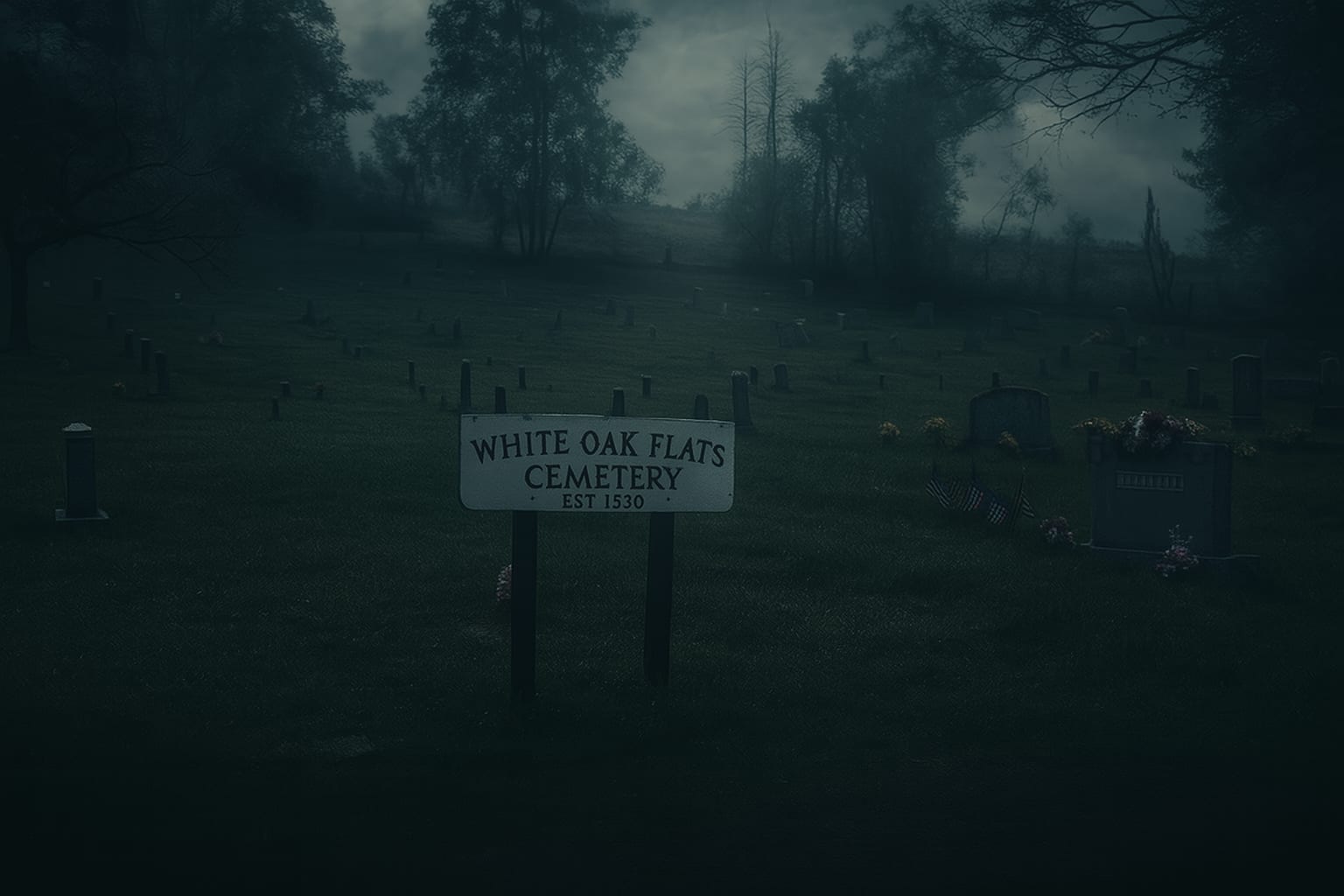
Gatlinburg, TNStatus not confirmed

White Oak Flats Cemetery

Woman in black, phantom bell

White Oak Flats is the collection's mountain graveyard: a small hillside burial ground in the Smokies, far from the walled city cemeteries and landscaped Victorian parks elsewhere on this list. Its stories are quiet and rural rather than grand, built around morning fog, worn stones and a sound no one can trace. Choose it for the settlement-era feel of a mountain community.

The story people tell

The account told most often is of a woman dressed in black, seen walking slowly between the headstones on foggy mornings; she never speaks or turns to face anyone, and she is said to vanish as the fog lifts. Locals have also long described the faint ringing of a handbell near the cemetery late at night, which local legend ties to a grieving mother who rang a bell at sunset to call her young son's spirit home.

Today: We could not confirm current public access (checked October 28, 2026) — contact the cemetery before you visit

Savannah, GAOpen to the public

Greenwich Cemetery

Also known as: Greenwich Addition to Bonaventure

1933Shadow figures, cold spots

Greenwich is the quiet neighbor of Bonaventure: opened by the city in 1933 as the Greenwich Addition to Bonaventure on the grounds of a former private estate, it is the youngest of Savannah's municipal cemeteries, with no famous statue or literary fame. Pick it if you are curious how ghost stories gather around a modest place, since its lore is made of small, consistent reports rather than one celebrated legend.

The story people tell

The reports told most often describe dark, featureless figures standing near a headstone or walking a path in the older, tree-shaded sections, gone when visitors draw closer, usually in late afternoon as the shadows lengthen. Visitors also describe movement at the edge of their vision near the larger family monuments, sudden cold spots that pass in seconds, and faint whispering where no one else is present.

History we checked · 2 sources
  • Greenwich Cemetery was established in 1933 as the Greenwich Addition to Bonaventure and is the youngest of Savannah's municipal cemeteries. (City of Savannah)
  • The site was once a private estate considered the most magnificent privately owned estate in the South. (City of Savannah)

Today: Open to the public (Open daily 8:00 a.m.-5:00 p.m.) — verified October 28, 2026 (source)

Savannah, GAOpen to the public

Laurel Grove Cemetery

Also known as: North and South

1850Daylight footsteps

Laurel Grove carries Savannah's burial story into the nineteenth century: the city developed it in 1850, as Colonial Park and other older burial grounds approached capacity. Choose it for that Victorian chapter of the city's history, and for a ghost account that is unusually personal, told first-hand by our own team rather than handed down.

The story people tell

Our article includes a first-hand account from a hot, sunny afternoon: a visitor photographing the grounds heard heavy footsteps crunching through the leaves behind them, which stopped each time they turned around, until they said aloud for it to cut it out and the grounds fell quiet. Our company's owner has also described seeing, in the middle of the day, what looked like part of a hand slide out from behind a tombstone and then disappear.

History we checked · 1 source
  • The City of Savannah developed Laurel Grove in 1850, as Colonial Park and other older burial grounds approached capacity. (City of Savannah)

Today: Open to the public (Open daily 8am–5pm.) — verified October 28, 2026 (source)

St. Augustine, FLLimited access

Tolomato Cemetery

1777–1884Lady in period dress

Tolomato is the Catholic counterpart to St. Augustine's Huguenot Cemetery in this collection, and older: burials here began in 1777 and continued until 1884, more than a century of the city's colonial and early American story. Choose it for that long history, and for lore that ranges from clergy and epidemic dead to a single young woman remembered by name.

The story people tell

The ghost said to be photographed most often here is Elizabeth Forrester, a young woman remembered in local lore; she is said to appear in period dress, strolling among the graves as if visiting friends, so solid that people take her for a reenactor until she vanishes. Visitors also describe orbs and glowing mists moving between the headstones, and lore holds that the spirit of Bishop Augustin Verot, buried in the cemetery's mortuary chapel, still ministers to the dead.

History we checked · 2 sources
  • Tolomato was the Minorcans' first burial site after their 1777 arrival and the Cathedral's parish cemetery until 1884, when cemeteries within the city limits were closed over yellow fever fears. (Tolomato Cemetery Preservation Association)
  • Augustin Verot, the first Bishop of St. Augustine (d. 1876), is buried in the mortuary chapel at the rear of the cemetery. (source)

Today: Limited public access: Open the third Saturday of each month, 11am–2pm; free, no reservations; private group tours by email arrangement. — verified October 28, 2026 (source)
Nashville, TNOpen to the public

Nashville City Cemetery

1822Haunted boulder marker

Nashville's oldest continuously operated public cemetery, opened in 1822, gives this collection an Upper South counterpart to the coastal grounds of Savannah and Charleston. It holds the city's early settlers, enslaved and free people of color, and the duelist Charles Dickinson, and its weathered stones sit just south of downtown.

The story people tell

The story most often told here gathers around an unusual boulder used as a grave marker. Visitors describe apparitions said to appear near the stone, and some claim to have seen a lantern there lit by no one they could explain.

History we checked · 2 sources

Today: Open to the public (Open for public visitation daily from dawn to dusk. All tours must be booked through the Metropolitan Historical Commission (615-862-7970). Gravestone rubbings are not allowed; removing gravestones, fragments, fencing or plant material is prohibited. Buses and large vans are not allowed.) — verified October 28, 2026 (source)

Nashville, TNOpen to the public

Tomb of James K. and Sarah Polk, Tennessee State Capitol grounds

1893Presidential apparition

This is a single presidential tomb on the Tennessee State Capitol grounds rather than a cemetery, and it is here because of how far its occupant travelled after death. Polk's remains were moved twice, from the city cemetery to his home and then, in 1893, to the Capitol grounds, which is the thread the ghost story follows.

The story people tell

People who walk the Capitol grounds describe a man in a dark suit kneeling before the tomb who seems to fade into mist as they come closer. Local lore holds that it is Polk himself, unsettled by the repeated moves of his body.

History we checked · 3 sources

Today: Open to the public (Capitol building: self-guided tours Monday–Friday 9 AM–4 PM CT; guided tours at 9, 10, 11 a.m. and 1, 2, 3 p.m. (groups of 12+ reserve ahead). Hours for the outdoor tomb on the grounds are not stated.) — verified October 28, 2026 (source)
Pegram, TN (Cheatham County)Former cemetery site

Former Pegram town cemetery

Also known as: site of Harpeth Haven subdivision

In the town of Pegram, Cheatham County, Tennessee, about 20 miles west of downtown Nashville.

Disturbed burial ground

This entry is a cemetery that no longer exists in any visible form. When the land was developed for a subdivision of private homes in 1970, some graves and headstones were moved, reportedly not all of them, so it is here for its story rather than as a place to visit, and it shows how a disturbed burial ground becomes local legend.

The story people tell

Some residents blame a run of floods, a fire and other strange happenings on the graves that were moved, or reportedly left behind, when the land was developed, and the town's mayor told a Nashville TV station that the spirits people talk about came from that disturbance.

History we checked · 1 source

Today: The cemetery is gone — the land was developed as the Harpeth Haven subdivision of private homes in about 1970; there is no public cemetery to visit — verified October 28, 2026 (source)
The Gulf South and Texas

New Orleans' walled cities of above-ground tombs, Galveston's storm- and epidemic-shaped cemeteries, Houston's Victorian garden cemetery, Austin's frontier-era burial ground and a private family graveyard on San Antonio's South Side.

New Orleans, LAGuided entry only

St. Louis Cemetery No. 1

1789Voodoo queen, lost sailor

This is the collection's oldest New Orleans "city of the dead": a single block of whitewashed above-ground tombs and narrow alleys, founded under Spanish rule in 1789. It stands apart for its Creole and Catholic history and for Marie Laveau, the Voodoo practitioner whose tomb draws people from around the world. Entry is by official guided tour only, so check the status shown.

The story people tell

Visitors have reported seeing Marie Laveau, the cemetery's most famous ghost, walking among the tombs. Another often-told tale is of Henry Vignes, a nineteenth-century sailor whose family tomb was said to have been sold while he was at sea; according to local lore, a tall, blue-eyed man still approaches people inside the walls to ask where the Vignes tomb is.

History we checked · 2 sources

Today: Entry only with an authorized guided tour: Tours offered only by Cemetery Tours New Orleans (the Archdiocese's sole authorized operator); family members enter with a family pass; bike/motorized tours prohibited; no alcohol or food; closed Mardi Gras Day — verified October 28, 2026 (source)

Galveston, TXStatus not confirmed

Broadway Cemetery Historic District

Also known as: Broadway Cemeteries

1839–1939Executed deserter, layered graves

Broadway is not one cemetery but seven, laid out side by side over a full century, so it suits readers who want the broad sweep of an island city's dead in one place. Where the other Galveston entries each center on a single disaster, this district holds Galveston's whole history, from epidemic years to the Civil War, layered in the same ground.

The story people tell

The district's lore centers on who lies here rather than on one sighting. Our article counts Nicaragua Smith, a Confederate deserter executed by firing squad in Galveston in January 1863 and said to lie in an unmarked grave, among its restless dead, and storytellers wonder who lingers among the burials layered beneath the raised ground, where some graves are said to be three deep.

History we checked · 3 sources

Today: We could not confirm current public access (checked October 28, 2026) — contact the cemetery before you visit (source)

Galveston, TXStatus not confirmed

Evergreen Cemetery

Also known as: New Cahill Cemetery; , Broadway Cemetery District

1900Great Storm victims

Evergreen is the collection's hurricane cemetery. It was founded in the year of the Great Storm of 1900 for the storm's victims, so its history and its stories belong to a single night that reshaped Galveston. Choose it over the island's other burial grounds if that disaster is what draws you, and expect lore about families and loss rather than famous names.

The story people tell

One of the figures reported most often is a young woman in a white nightgown, her dark hair wet and tangled, walking slowly through the rows as if reading each name; some say she calls out names before fading away. Visitors also describe families in Victorian-era clothing who seem to be searching for someone, and the sound of children laughing near sunset.

History we checked · 2 sources

Today: We could not confirm current public access (checked October 28, 2026) — contact the cemetery before you visit (source)

Galveston, TXStatus not confirmed

New City Cemetery / Old Cahill

Also known as: Yellow Fever Yard; , Broadway Cemetery District

1867Phantom doctor, epidemic

New City is Galveston's epidemic cemetery, the ground that took the dead of the 1867 yellow fever outbreak, many of them without markers. It pairs with Evergreen as two disasters a generation apart, but its stories are about illness and the people who tried to treat it. Choose it if the history of disease in a nineteenth-century port city interests you most.

The story people tell

One of the accounts told most often here is of a man in nineteenth-century medical dress, a long dark coat and a physician's bag, seen moving through the Yellow Fever Yard as if examining patients no one else can see. Local legend holds he was one of the doctors who died treating the sick, and some say they have heard him muttering that there are too many to save, especially in summer.

History we checked · 2 sources

Today: We could not confirm current public access (checked October 28, 2026) — contact the cemetery before you visit (source)

Galveston, TXStatus not confirmed

Old City Cemetery, Broadway Cemetery District

1839Reburied dune graves

Old City is where the Broadway district began, Galveston's first formal answer to burying its dead. Choose it for the island's founding years and a strange origin: the earliest burials here were people moved from graves in the sand dunes. Its appeal is its age and its layered ground more than any single ghost, which makes it a good fit for history-minded readers.

The story people tell

The tale told about this ground begins with the dead who came here twice: people first buried in the shifting dunes, then dug up and reburied, with later grade raising stacking burials one above another. Our article is candid that no specific ghost sightings are on record here, but local tellers say the cemetery is among the most unnerving in the district, and paranormal enthusiasts keep watching it.

History we checked · 2 sources

Today: We could not confirm current public access (checked October 28, 2026) — contact the cemetery before you visit (source)

Houston, TXOpen to the public

Glenwood Cemetery

1871Weeping woman, soldiers

Glenwood is Houston's garden cemetery, a landscaped Victorian ground of rolling hills and old trees where Texas governors and Howard Hughes lie among ordinary families. It belongs to the same garden-cemetery tradition as Bellefontaine or Graceland, set against the Galveston grounds' disaster history. Choose it for Texas political and business history, with stories that center on grief and soldiers.

The story people tell

The apparition reported most often is the Weeping Woman, a figure in Victorian mourning clothes kneeling beside small children's graves with her face in her hands, fading if anyone approaches. Visitors and groundskeepers also describe soldiers in gray among the graves, and one long-told account is of a groundskeeper who heard drums and fifes one autumn evening and watched a company of soldiers drill among the headstones before they faded away.

History we checked · 2 sources

Today: Open to the public (Open 7am–5:30pm; enter via the Washington Ave. front entrance (Kane St. entrance closed); video/photography prohibited without prior authorization from the Executive Director) — verified October 28, 2026 (source)

New Orleans, LAStatus not confirmed

Metairie Cemetery

1872The Flaming Tomb

Metairie is the opposite of St. Louis No. 1's tight walled block: a sweeping cemetery laid out on a former racetrack, with grand tombs spread across open ground. Choose it for Gilded Age New Orleans and its wealth, and for a story centered on one of Storyville's famous madams and a tomb that once drew crowds.

The story people tell

The story told most often is that of Josie Arlington's tomb, nicknamed the Flaming Tomb: according to local lore a red light would play across it so that its stone urns seemed to burn, and people gathered at night to watch its bronze-doored statue, which some said moved and knocked on the door. Her remains were later moved, yet visitors and gravediggers still describe the statue shifting and the urns glowing.

History we checked · 2 sources

Today: We could not confirm current public access (checked October 28, 2026) — contact the cemetery before you visit (source)

New Orleans, LAOpen to the public

St. Roch Cemetery No. 1

Also known as: Campo Santo; and St. Roch Chapel

1874Ghost dog, hooded figure

St. Roch is a cemetery born of a vow: a priest's promise to a saint during a yellow fever epidemic, with a chapel still filled with offerings left by people asking for healing. Choose it over New Orleans's other cemeteries here for faith and devotion rather than famous names, and for small, strange stories that suit a quieter place.

The story people tell

The ghost described most often is an unnaturally large black dog that wanders the grounds; our article allows it could be a stray, but people who follow it say it vanishes the moment it is cornered, and Saint Roch is the patron saint of dogs. Visitors also tell of a hooded figure in a black robe who walks through the cemetery walls, even after the gates are locked.

History we checked · 3 sources

Today: Open to the public (Chapel interior visitation: first Friday of each month, 11am–noon; bike/motorized tours prohibited; no alcohol or food; pets leashed; closed Mardi Gras Day) — verified October 28, 2026 (source)
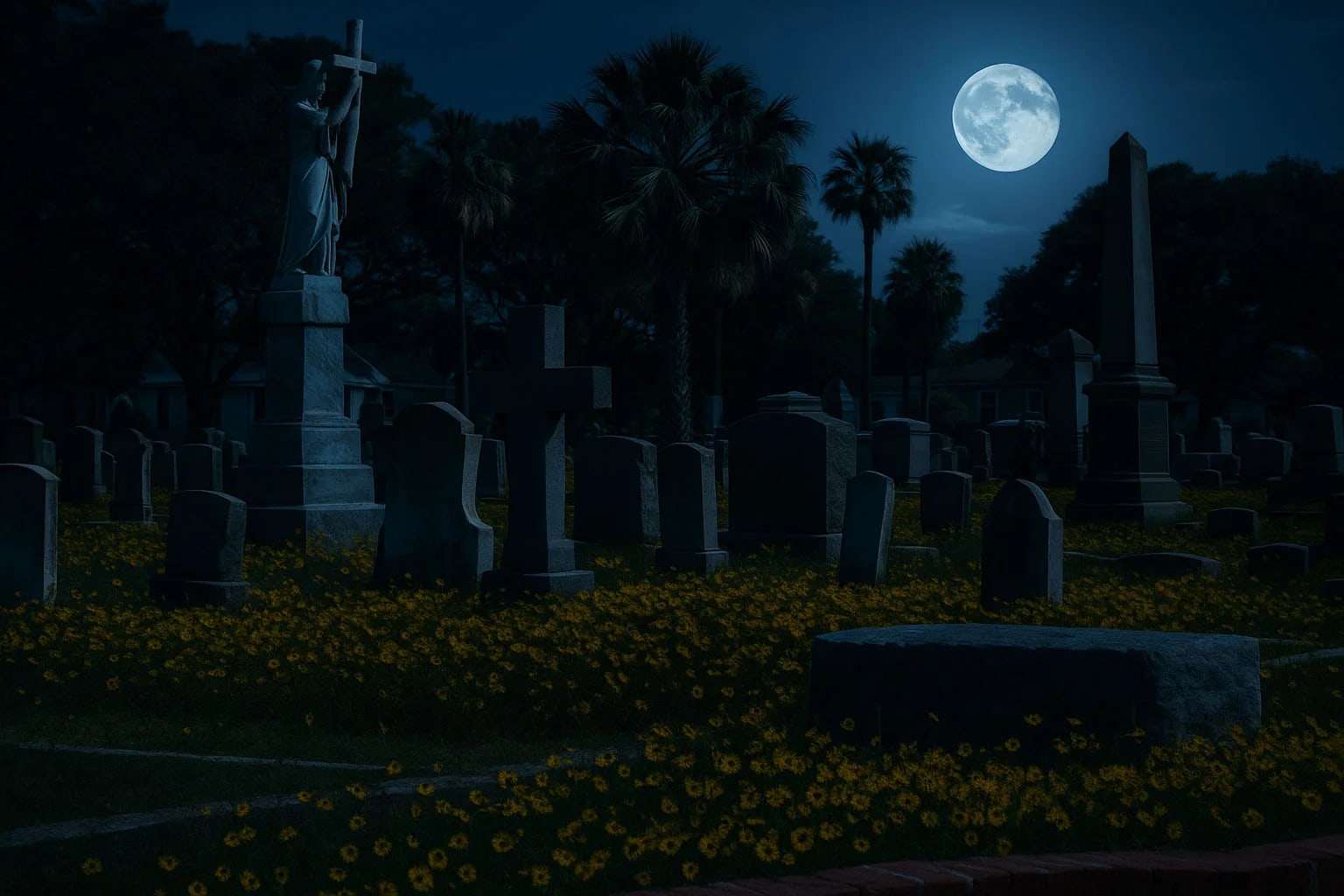
New Orleans, LAGuided entry only

Lafayette Cemetery No. 1

1833Yellow fever years, Anne Rice lore

Lafayette Cemetery No. 1 is the Garden District's walled city of the dead, founded in 1833. Its above-ground tombs and wall vaults sit inside a residential neighbourhood lined with old oaks, a different setting from the French Quarter's St. Louis No. 1. Access is currently restricted, so check the status shown.

The story people tell

Our article calls Lafayette No. 1 a haunted cemetery but records no specific sightings. Its lore is told through the yellow fever years, when, the article says, tomb after tomb was inscribed 'died of yellow fever', and through Anne Rice, who lived nearby and is said to have modeled fictional crypts on its Karstendiek tomb, known as 'Lestat's Tomb', and its Jefferson fire company tomb.

History we checked · 2 sources

Today: Entry only with an authorized guided tour: Closed to the public while repairs and improvements take place; guided tours can be scheduled through the PRC (prcno.org); family members of those interred may visit by appointment (504-658-3781). — verified October 28, 2026 (source)

Austin, TXOpen to the public

Oakwood Cemetery

1839Frontier capital lore

Austin's oldest public cemetery, in use since 1839, brings the Texas capital's early generations into the collection. Where Galveston's cemeteries carry storm and epidemic history, Oakwood's hillside tells the story of an inland frontier capital growing up, and its 1914 chapel still stands among the graves.

The story people tell

Visitors describe eerily bright orbs and a strong sense of being watched by something unseen, and paranormal investigators say the northwestern fence line, near the paupers' unmarked graves, is the most active spot. A long-told rumour links the restlessness to bodies said to have been taken from unmarked graves for medical study.

History we checked · 2 sources

Today: Open to the public — verified October 28, 2026 (source)
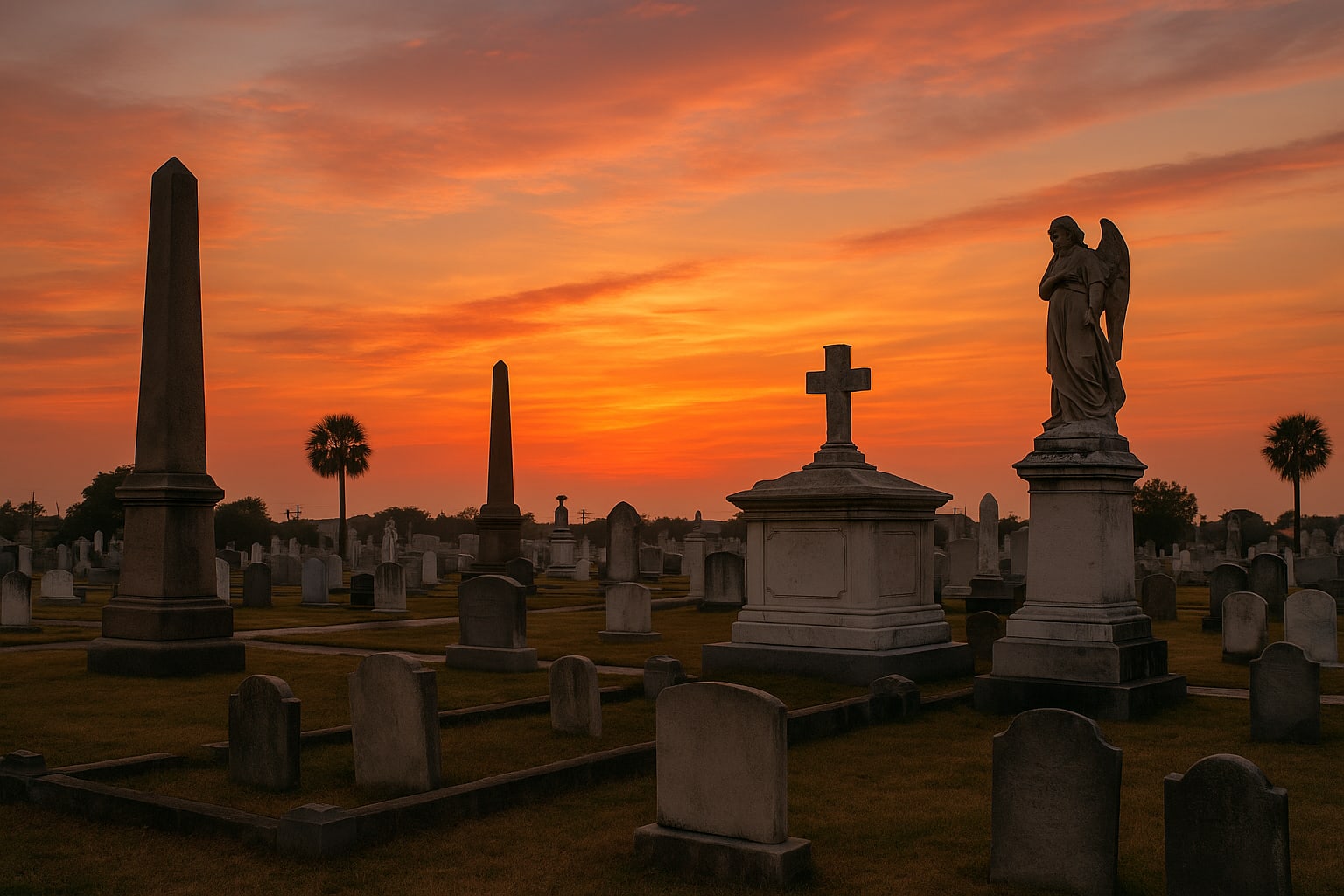
San Antonio, TX (South Side)Not open to the public

Chinese Graveyard

Also known as: Loma China / 'Lona China' Cemetery; Guzman family burial ground

Family legend

A small, private family burial ground on San Antonio's South Side, still owned and looked after by the family, this cemetery is included for its unusual family legend of a forbidden love affair. It is not a place to visit: signs mark it as private property, so please respect it and stay out.

The story people tell

Family legend tells of a forbidden romance between an ancestor and a Chinese woman, and of a death by lightning. People who have passed the cemetery describe a white mist and the figure of a tall woman, and some link it to the city's Donkey Lady tales.

History we checked · 1 source
  • It is a small family cemetery off South Zarzamora on San Antonio's South Side, known locally as the Chinese graveyard or Loma China Cemetery. (KSAT 12 (2018-12-03))

Today: Not open to the public (private family cemetery; do not enter) — verified October 28, 2026 (source)
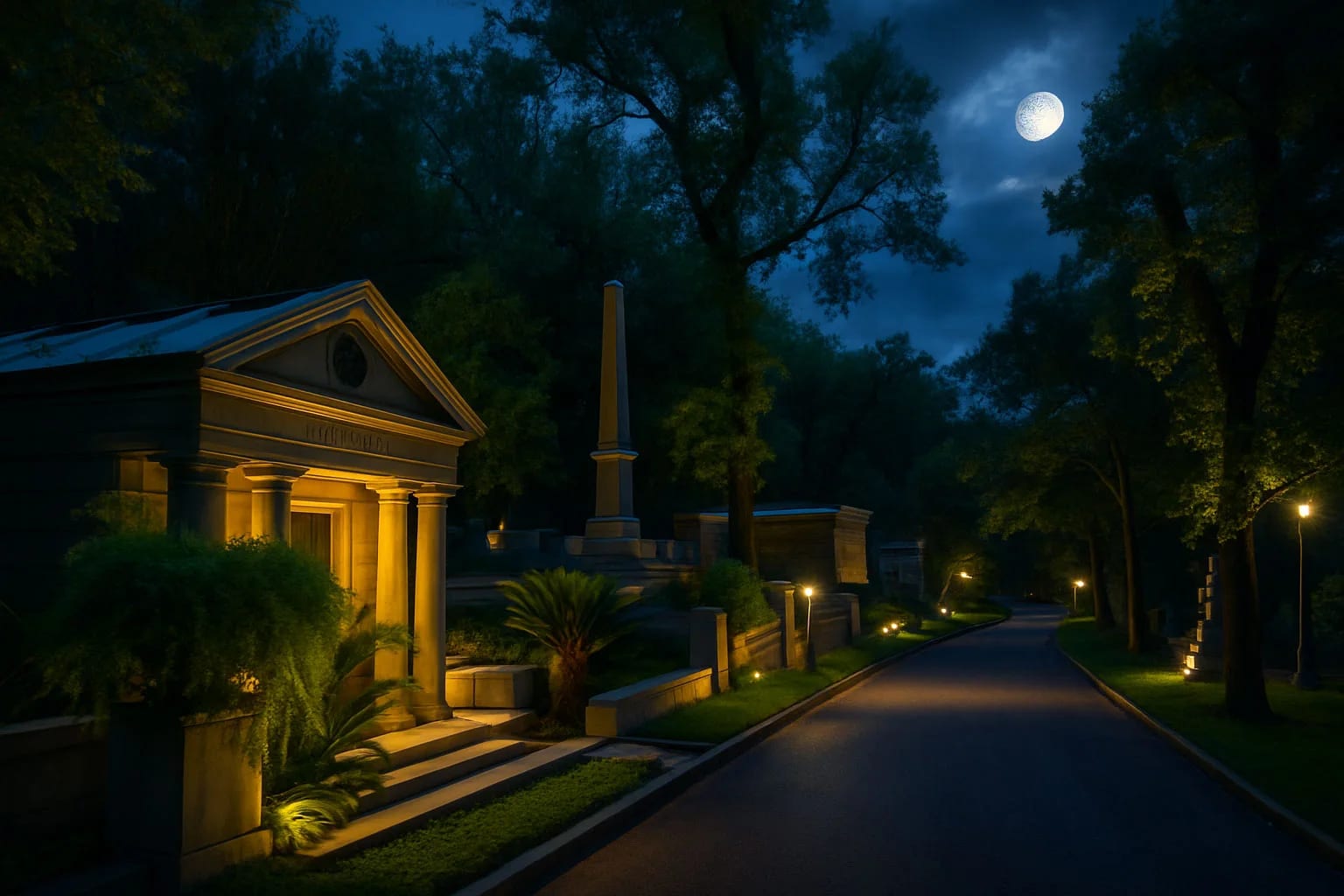
New England

The collection's four oldest burying grounds, all from the seventeenth century, and Salem's 1801 Howard Street Cemetery: places bound up with the Salem witch trials, Puritan Boston and the Revolutionary generation.

Salem, MAOpen to the public

Charter Street Cemetery

Also known as: Old Burying Point

1637Lady in White

One of the oldest burial grounds in this collection, set aside in 1637, Salem's Burying Point is the place to go for the witch trials era. John Hathorne, a judge from those trials, lies here, so the history and the stories are about guilt and memory more than battle or epidemic. Expect a small Puritan burying ground, not a park.

The story people tell

The apparition reported most often is a Lady in White, said to vanish or dissolve into bright orbs when cameras come out, and sometimes glimpsed at the edges of the grounds or in nearby buildings. Some have wondered whether she is Mary Corey, the wife of Giles Corey, though local tellers more often place her among the Irish who were buried on the cemetery's outskirts.

History we checked · 2 sources

Today: Open to the public (In October (from Sept 25) free timed-entry reservations are required, 10am–5pm; no drones; filming/photo shoots need written permission from the Salem Film Office.) — verified October 28, 2026 (source)
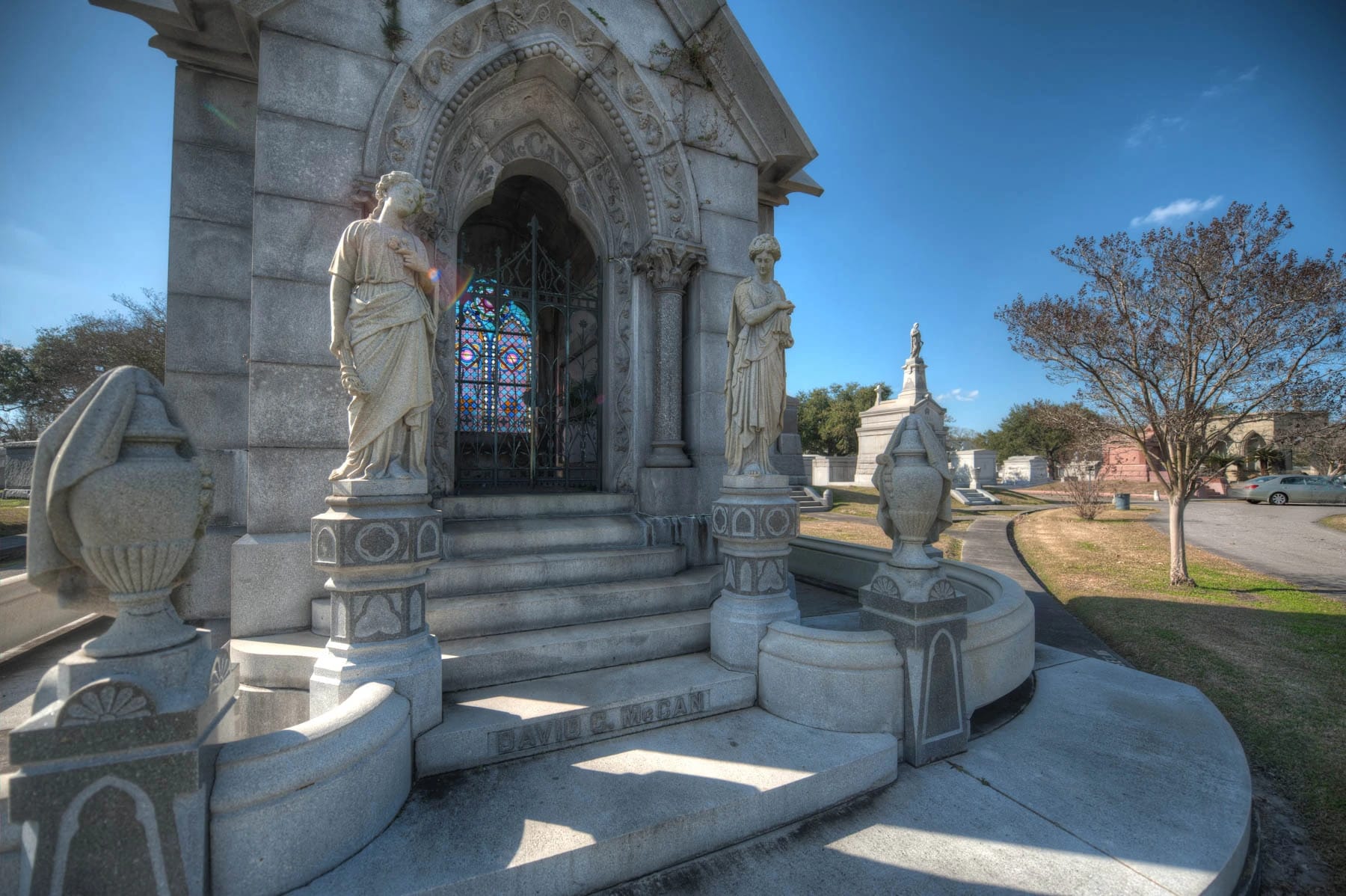
Boston, MAOpen to the public

Granary Burying Ground

1660Revolutionary patriot

Granary is a Revolutionary-era burying ground: three signers of the Declaration, Paul Revere and the victims of the Boston Massacre lie in a downtown plot surrounded by city streets. Choose it over Salem if you are drawn to the founding generation rather than the witch trials, and expect far fewer markers than the more than 5,000 people buried beneath them.

The story people tell

The ghost said to be seen here most often is James Otis Jr., the Revolutionary-era lawyer, whose death by lightning has become part of Boston legend. According to local lore he appears to visitors by day and by night in colonial dress, and photographs taken after dark are said to show glowing orbs drifting among the stones.

History we checked · 3 sources
  • Established in 1660, the burying ground was renamed the Granary in 1737 after the grain storehouse next to it. (City of Boston)
  • It holds three signers of the Declaration of Independence (John Hancock, Samuel Adams and Robert Treat Paine), Paul Revere, and the victims of the Boston Massacre. (City of Boston)
  • More than 5,000 people are buried here, but only about 2,300 markers remain. (City of Boston)

Today: Open to the public (Open daily, approximately 9am–4pm) — verified October 28, 2026 (source)
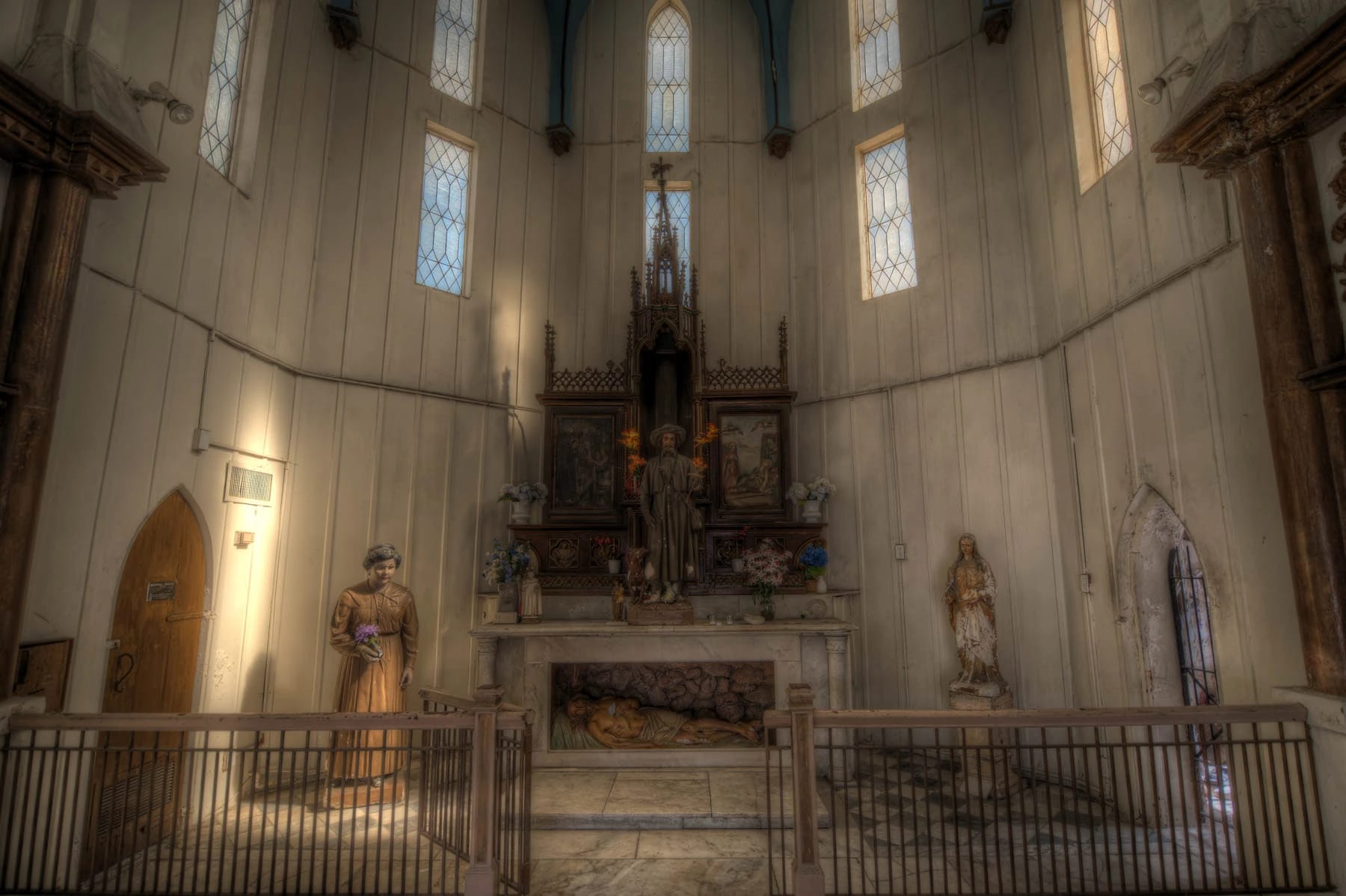
Boston, MAOpen to the public

King's Chapel Burying Ground

1630Headless woman, grave bell

King's Chapel is where Boston's burying begins: older than the Granary, it is by tradition the resting place of Isaac Johnson, said to be its first burial, and it holds John Winthrop. Choose it if the city's first generation interests you more than the Revolution, and if you like stories with an old-world folk quality, such as a bell rung from inside a grave.

The story people tell

Two stories are told most often. One is of a headless woman who roams the paths as if looking mournfully for her head. The other is of a man said to have feared being buried alive, who asked for a string tied to his finger and a bell above his grave; according to the legend the bell rang too late, and people still say they hear it after dark and see a figure emerge near the chapel.

History we checked · 2 sources
  • Founded in 1630, it is Boston Proper's oldest burying place; the site is said to have been part of Isaac Johnson's estate, and tradition holds that Johnson was its first burial. (City of Boston)
  • John Winthrop and Mary Chilton, by tradition the first woman off the Mayflower, are buried here. (City of Boston)

Today: Open to the public (Open daily, approximately 9am–4pm) — verified October 28, 2026 (source)
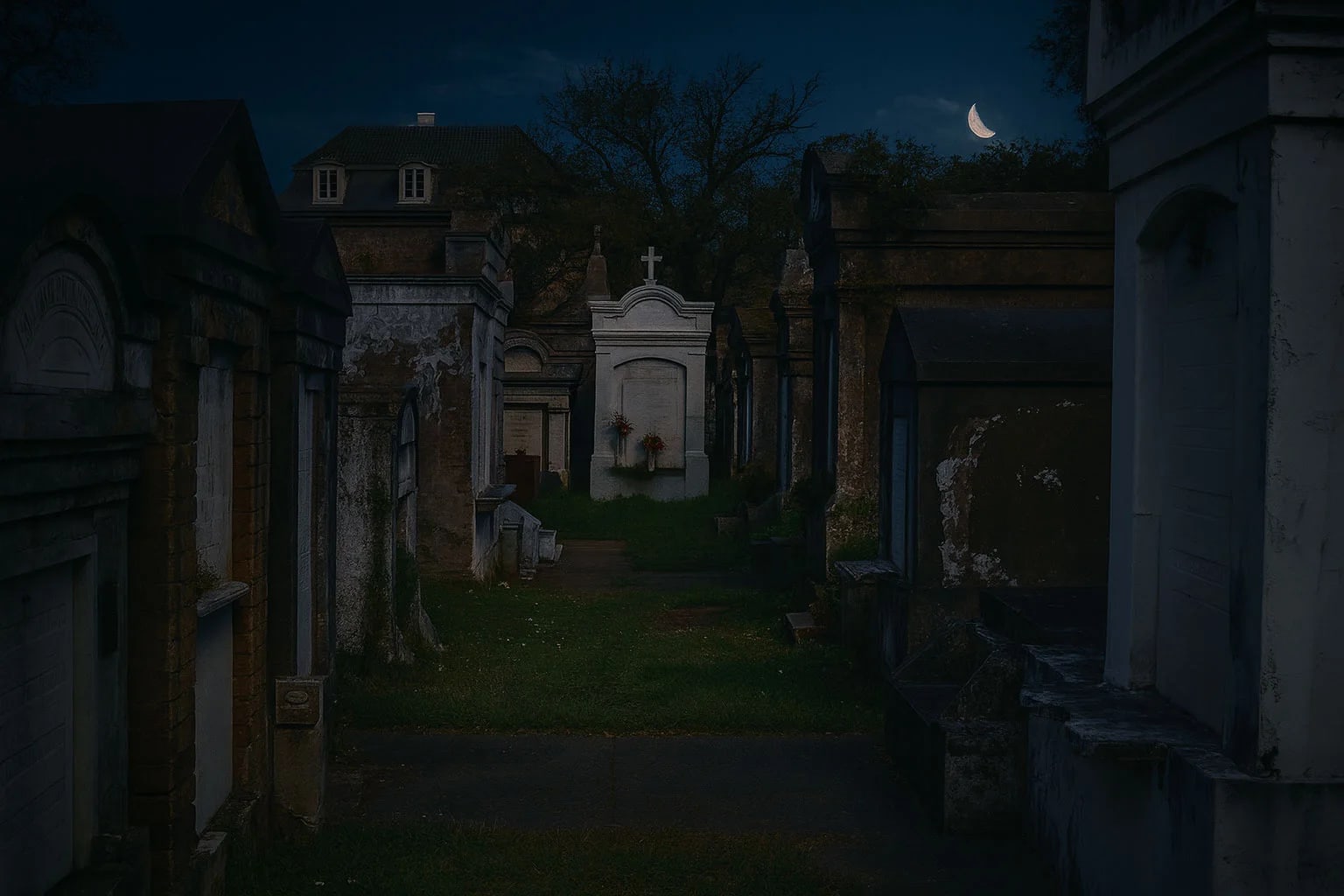
Salem, MAOpen to the public

Howard Street Cemetery

1801Witch trials curse

Howard Street is Salem's second entry in this collection, and a natural companion to the Burying Point: where that ground holds a witch-trials judge, this one carries the story of the accused man who refused to plead. Founded more than a century after the trials, it suits readers who want to see how the events of 1692 became lasting local legend.

The story people tell

According to local lore, this is the ground where Giles Corey, accused of witchcraft in 1692, was pressed under stones after refusing to enter a plea, asking only for more weight. Legend says he cursed Salem as he died, and later tellers blamed that curse for the Great Salem Fire of 1914; some say his apparition still appears, especially to skeptics.

History we checked · 1 source
  • Howard Street Cemetery was established in 1801. (Clio)

Today: Open to the public — verified October 28, 2026 (source)

Boston, MAOpen to the public

Copp's Hill Burying Ground

1659Shadow figures, Mather tomb

Copp's Hill, in the North End just north of the Old North Church, has taken burials since 1659. It holds the Mather family of ministers and Prince Hall, and some of its stones are believed to carry scars from British soldiers during the Revolution.

The story people tell

People describe shadow figures peering around the headstones and apparitions that seem to vanish through the gates. Some say a menacing presence lingers at the Mather family tomb, and others tell of a specter that drifts across the grounds as if checking behind the stones; local lore links the unrest to rumours of secret, unrecorded graves beneath the hill.

History we checked · 3 sources
  • Burials began here in 1659; the ground takes its name from shoemaker William Copp. (City of Boston)
  • The Mather tomb holds members of the ministerial family, including Increase Mather, his son Cotton Mather and grandson Samuel. (City of Boston)
  • During the Battle of Bunker Hill on June 17, 1775, British generals John Burgoyne and Henry Clinton directed a bombardment of Breed's Hill from Copp's Hill. (National Park Service)

Today: Open to the public (Open daily from about 9 a.m. to 4 p.m.) — verified October 28, 2026 (source)

The Mid-Atlantic

A Civil War national cemetery, a hillside garden cemetery above the James River, and eighteenth-century burial grounds in Philadelphia and Baltimore: very different ways a young nation buried its dead.

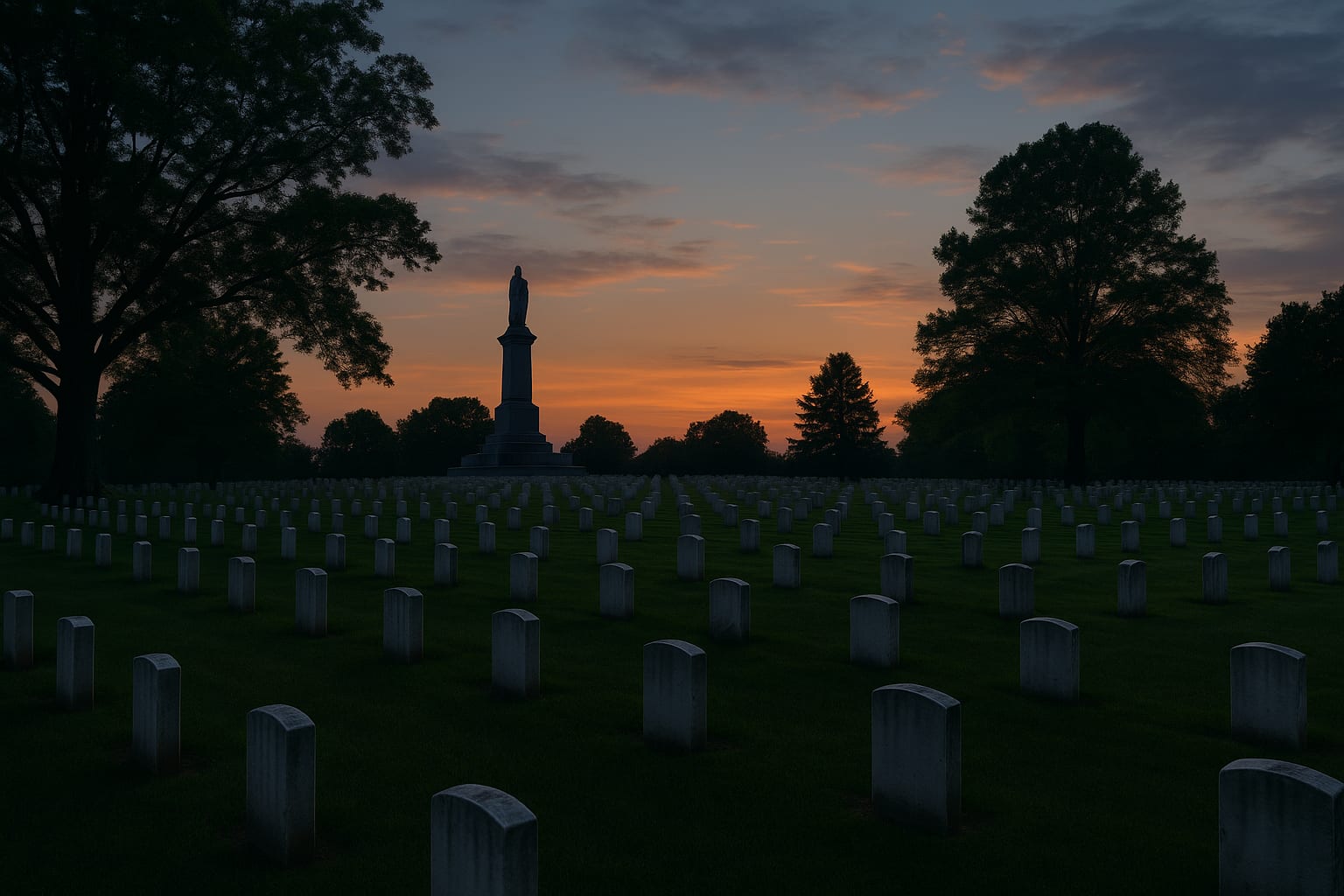
Gettysburg, PAOpen to the public

Gettysburg National Cemetery

Also known as: Soldiers' National Cemetery

1863Civil War soldiers

The only military cemetery in the collection, Gettysburg was created out of a single battle and dedicated with the Gettysburg Address. Its orderly rows of soldiers' graves feel nothing like a churchyard or a garden cemetery, and its stories are almost entirely about soldiers. Choose it for Civil War history and the solemnity of a national memorial.

The story people tell

Visitors most often describe shadowy figures in uniform walking among the rows of graves or standing still near the central monument, fading when approached. Others report soft weeping, the distant sound of drums or bugles, and dim lantern lights moving between the stones, with accounts said to gather around early July and late November.

History we checked · 3 sources

Today: Open to the public (Battlefield and park roads, including the National Cemetery, open daily from 30 minutes before sunrise to 30 minutes after sunset) — verified October 28, 2026 (source)
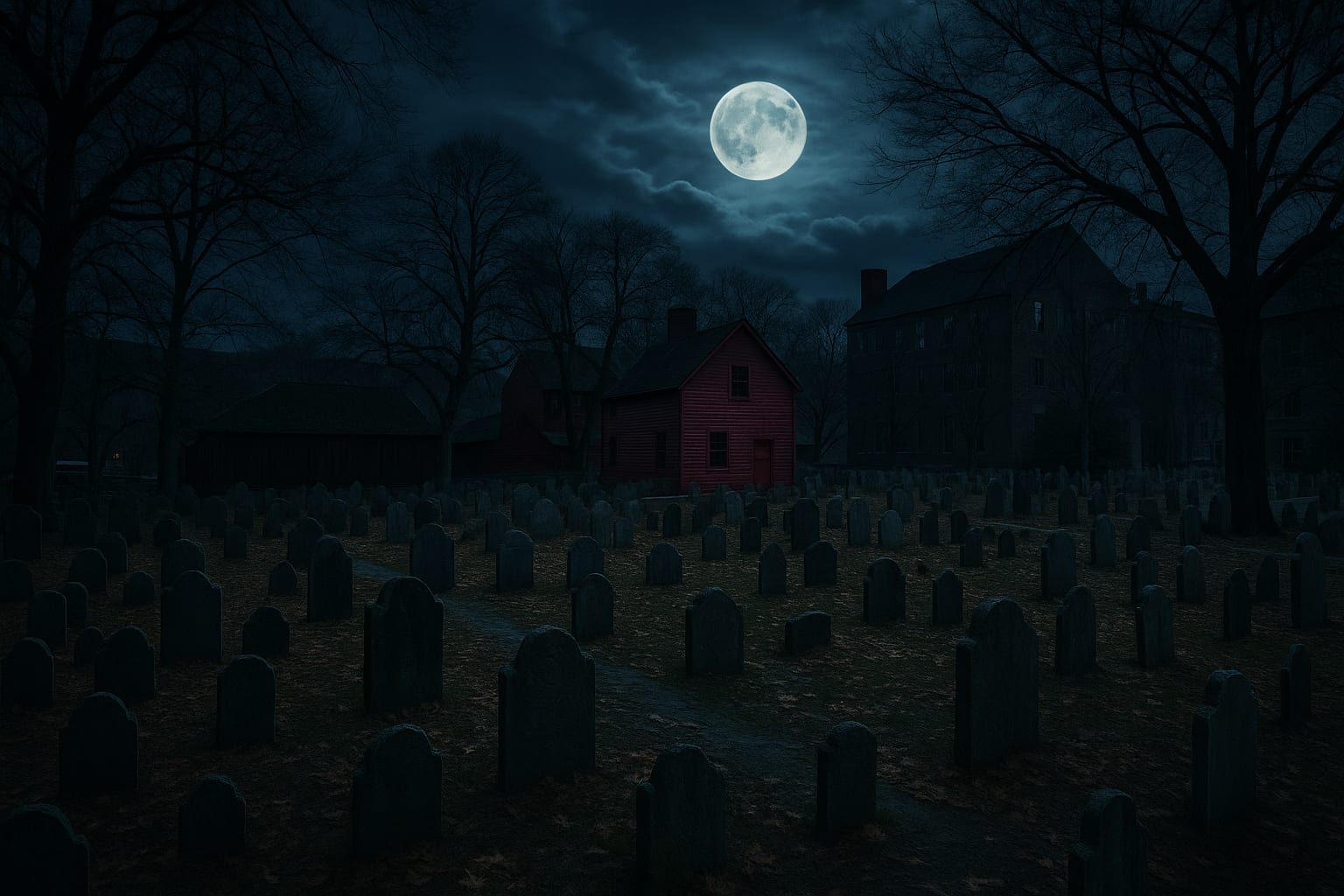
Richmond, VAOpen to the public

Hollywood Cemetery

1847Vampire legend, iron dog

Hollywood combines a rural garden cemetery's winding hillside roads and river views with heavy political history: a president's ornate cast-iron tomb and a ninety-foot granite pyramid raised as a memorial to the Confederate dead. Its lore ranges widely, from a 1920s urban legend about a vampire to a small, tender story about a child's grave.

The story people tell

Richmond's most famous cemetery legend is the Richmond Vampire, said to have fled to a mausoleum on these hills and vanished inside. Many visitors are more taken with the grave of a little girl guarded by a life-sized cast-iron dog, which local lore says was moved here from a downtown store to keep it from being melted down during the Civil War; some say the dog shifts position when no one is looking.

History we checked · 3 sources

Today: Open to the public (Open daily 8am–5pm (8am–6pm during Daylight Saving Time); free admission; leashed dogs allowed; photo shoots need written permission; no skateboards/one-wheels.) — verified October 28, 2026 (source)
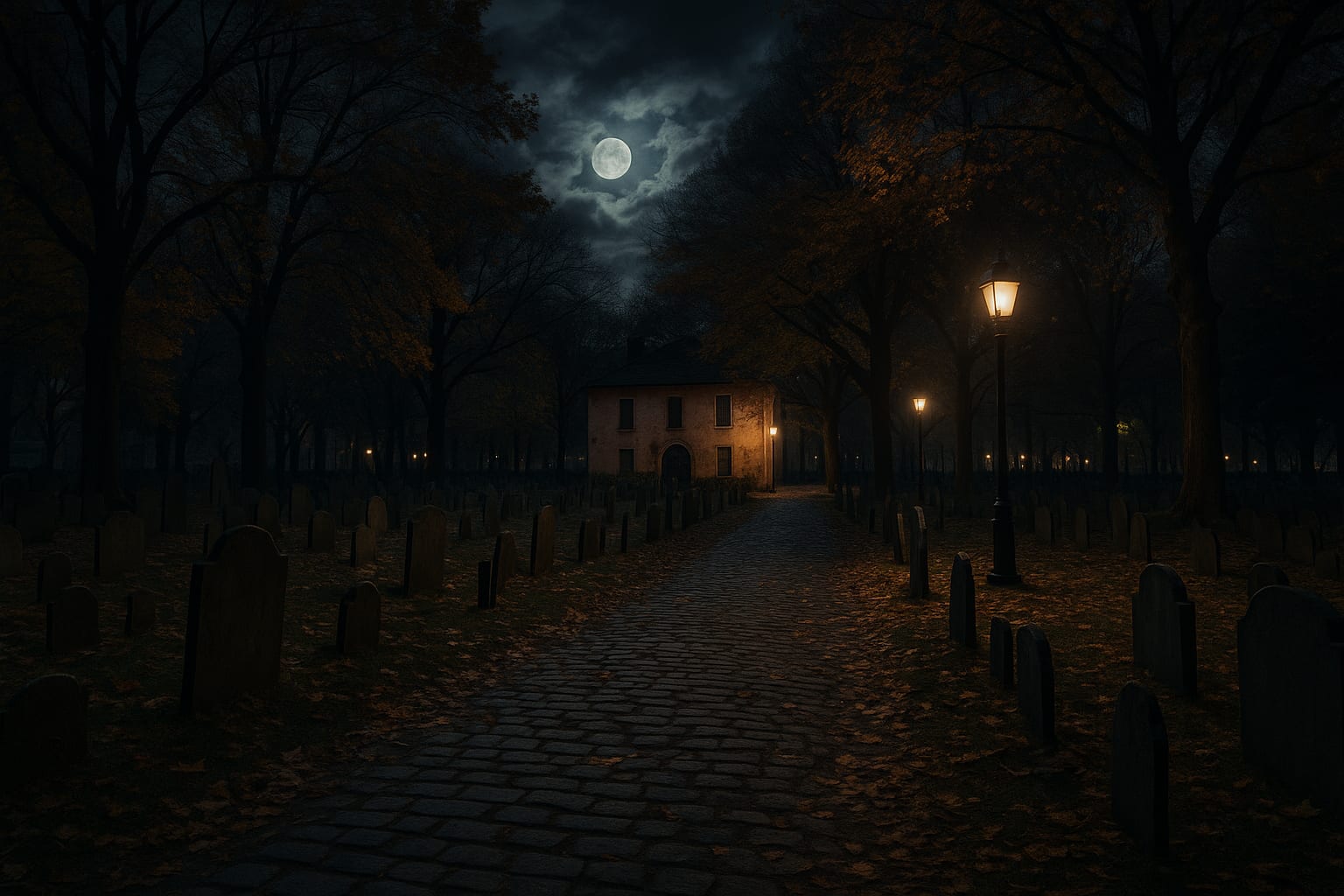
Philadelphia, PAOpen to the public

Christ Church Burial Ground

1719Founding father's figure

Christ Church Burial Ground is a colonial church cemetery in Old City Philadelphia, and Benjamin Franklin's grave is its centerpiece. It pairs naturally with Boston's Granary as a founders' burying ground, but the stories here are gentler, and the best known of them involves Franklin himself. Pick it for Revolutionary-era history in a small, easily walked space.

The story people tell

People passing the grounds after dark describe shadowy figures moving among the headstones, and one couple reported a man in colonial-era clothing walking slowly through the graves before fading between two monuments. Another account our article retells comes from a history teacher who, looking through the fence one evening after closing, saw an elderly man in old-fashioned clothes standing by a grave and was struck by how closely he resembled Franklin's portraits.

History we checked · 2 sources

Today: Open to the public (Paid admission (self-guided or guided). Open daily 11am–5pm (December 11am–4pm, weather permitting); closed January–February, Easter Sunday, Thanksgiving and Christmas.) — verified October 28, 2026 (source)

Baltimore, MDOpen to the public

Westminster Hall and Burying Ground

1786Phantom gravedigger, Poe

Westminster is where Edgar Allan Poe lies, and the burying ground is unusual in having had a church built over it in 1852, leaving catacombs beneath. Choose it for Poe and for that strange architecture, which sets it apart from the open churchyards and garden cemeteries elsewhere in the Mid-Atlantic group.

The story people tell

The ghost reported most often is a gravedigger the legend names Edgar Tuttle, an old man in work clothes and a cap who is said to appear on foggy nights or before dawn carrying a yellow-lit lantern, tending sunken graves and leaning stones before vanishing. One account in the legend has him rebuking a group of students for disrespecting a grave. Visitors also describe shadow figures and voices in the catacombs.

History we checked · 2 sources

Today: Open to the public (Burying Ground open daily 9am–5pm (closes for ice/snow); self-guided entry at Greene & Fayette gates is free; catacombs only on guided tours (public tours first Saturday monthly, 11am & 1pm)) — verified October 28, 2026 (source)
The Midwest

Grand Victorian garden cemeteries, a presidential tomb and a small, long-abandoned burial ground in the Cook County forest preserves outside Chicago.

St. Louis, MOOpen to the public

Bellefontaine Cemetery and Arboretum

1849Lady in Black

Bellefontaine is a classic rural garden cemetery and arboretum founded in 1849 in St. Louis, and the burial place of William Clark of Lewis and Clark. Choose it over Graceland if your interest leans toward westward expansion and St. Louis history; its stories feature a grieving woman in black and soldiers in gray.

The story people tell

The figure reported most often is a woman in Victorian mourning dress, with a black veil and gloves, said to walk slowly through the older sections as if searching for a particular grave and to fade behind a monument when approached. Visitors near the graves of Confederate soldiers buried here have also described figures in gray moving at dusk and faint drums and marching sounds.

History we checked · 2 sources

Today: Open to the public (Open 8:00am–4:30pm; gates lock at 5:00pm; open year-round except during severe weather.) — verified October 28, 2026 (source)
Chicago, ILOpen to the public

Graceland Cemetery

1860Haunted statues

Graceland suits readers who come for art and architecture as much as history. Its landscape holds monuments by major sculptors and architects, including a tomb by Louis Sullivan, and its central ghost story is attached to a single famous bronze statue. Compared with Bellefontaine, it is more about Gilded Age Chicago and its builders than the frontier.

The story people tell

Local legend holds that anyone who looks into the shadowed face of Lorado Taft's hooded bronze figure, Eternal Silence, will see a vision of their own death, and visitors often say they feel watched while standing before it. Another long-told story surrounds a life-sized statue of a little girl in a glass case, which some say vanishes from its case during thunderstorms.

History we checked · 3 sources

Today: Open to the public (Gates open 365 days: spring/summer Mon–Fri 8am–6pm, Sat–Sun 9am–4pm; fall/winter Mon–Fri 8am–4pm, Sat–Sun 9am–4pm) — verified October 28, 2026 (source)
Springfield, ILOpen to the public

Lincoln Tomb State Historic Site

Also known as: Oak Ridge Cemetery

1874Presidential mourning

This entry centers on one grave above all: Abraham Lincoln's tomb, with a history that includes an attempt to steal his body. Unlike Hollywood, where Monroe's tomb is one monument among many, a visit here centers on a single grave, and its stories are about grief rather than fright. Choose it for a focused visit with deep national meaning.

The story people tell

Visitors have described a tall, lean figure near the monument or in the burial chamber, there for a moment in the half-light and gone when they look again. Others report footsteps on the marble in empty rooms and the sound of someone weeping, which some attribute to Mary Lincoln; most simply describe a heavy, sorrowful presence.

History we checked · 3 sources

Today: Open to the public (Tomb open daily 9am–5pm, free (donations welcome); closed New Year's Day, MLK Day, Memorial Day, Labor Day, Election Day, Thanksgiving and Christmas. No pets inside, no drones, do not touch statues or rails.) — verified October 28, 2026 (source)

Bremen Township (near Midlothian), ILOpen to the public

Bachelor's Grove Cemetery

In Bachelor's Grove Woods, a Cook County forest preserve near Midlothian, Illinois, about 24 miles southwest of downtown Chicago. Our Chicago tours do not visit it.

White Lady, phantom house

Bachelor's Grove, in the Chicago area's Cook County forest preserves, is the collection's small, neglected graveyard, a world away from Graceland's sculpted grounds. Its reputation grew out of vandalism and decline, and its lore is a modern one, built on photographs and sightings. Choose it for twentieth-century legend-making in a woodland setting.

The story people tell

The story told most often is of the Madonna of Bachelor's Grove, a woman in white who walks among the graves as if searching for someone; a well-known 1991 infrared photograph is said to show her seated on a headstone. Visitors also describe a phantom farmhouse, a white house with a porch swing and flickering lit windows that shrinks away and vanishes when approached.

History we checked · 1 source
  • Cook County took over maintaining the cemetery in 1975; before that, its remaining independent trustee, Clarence Fulton, tried to protect it from vandals. (WBEZ Chicago)

Today: Open to the public (Forest preserve hours: year-round, sunrise to sunset) — verified October 28, 2026 (source)
St. Louis, MOOpen to the public

Calvary Cemetery

Praying figures

Calvary is the Catholic neighbor to Bellefontaine, and much of its lore reflects that faith, with stories of prayer, incense and Latin. Choose it if you want to see a city's immigrant history written in stone, and for graves of national figures in literature and law, from a playwright and a novelist to Dred Scott.

The story people tell

The figures reported most often here appear to be praying: translucent people in clothing from different eras, kneeling before graves or walking with rosaries, who fade when approached. Visitors to the older Irish sections describe fiddle music and the keening of traditional mourning, and others say they have heard Latin prayers and smelled incense drifting through empty parts of the grounds.

History we checked · 1 source

Today: Open to the public (Visiting hours 8:00am–5:00pm every day.) — verified October 28, 2026 (source)
The West

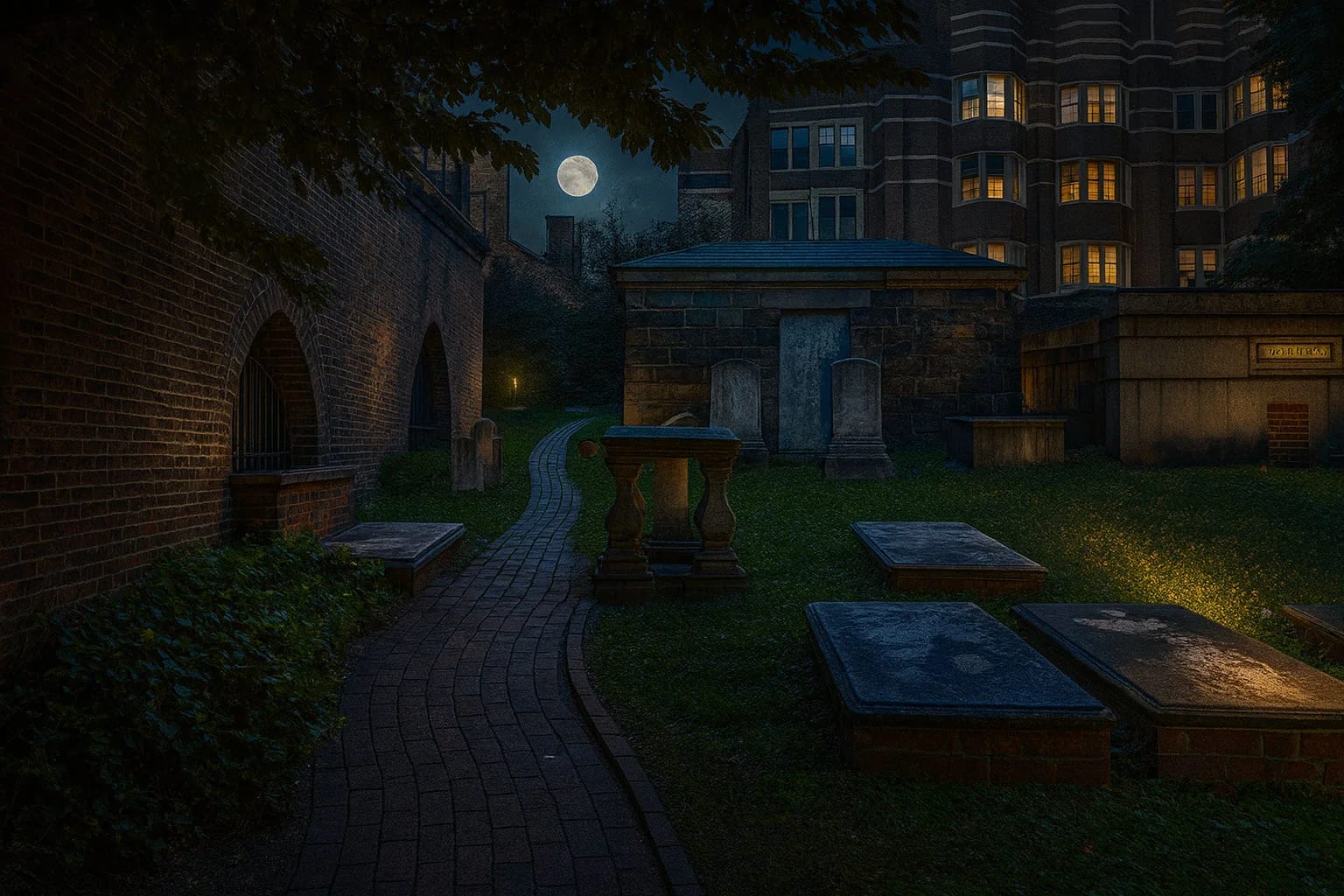
A frontier boot hill in the Arizona desert, a tree-shaded pioneer cemetery in Portland, Old Town San Diego's 1849 burial ground and a domed San Francisco columbarium that outlived the city's cemeteries.

Tombstone, AZOpen to the public

Boothill Graveyard

Abandoned 1884Gunfight and frontier ghosts

Boothill is the collection's only frontier boot hill: a rocky desert hillside where the men killed in the O.K. Corral gunfight are buried. After years of abandonment it was restored, though many graves remain unknown. Choose it for the Old West rather than colonial or Victorian history; its stories are rooted in gunfights and the town's rough early years.

The story people tell

The account told most often involves Billy Clanton and the McLaury brothers, whose shared plot is said to draw sounds of gunfire and the sight of three men in cowboy clothes arguing, especially around October 26, the anniversary of the gunfight. Visitors also describe a woman known as China Mary appearing in their photographs, and figures near a row of graves marked only "Unknown."

History we checked · 3 sources

Today: Open to the public (Open daily 8am–5pm; $6 admission; closed Thanksgiving and Christmas.) — verified October 28, 2026 (source)
Portland, OROpen to the public

Lone Fir Pioneer Cemetery

1846Shadow figures

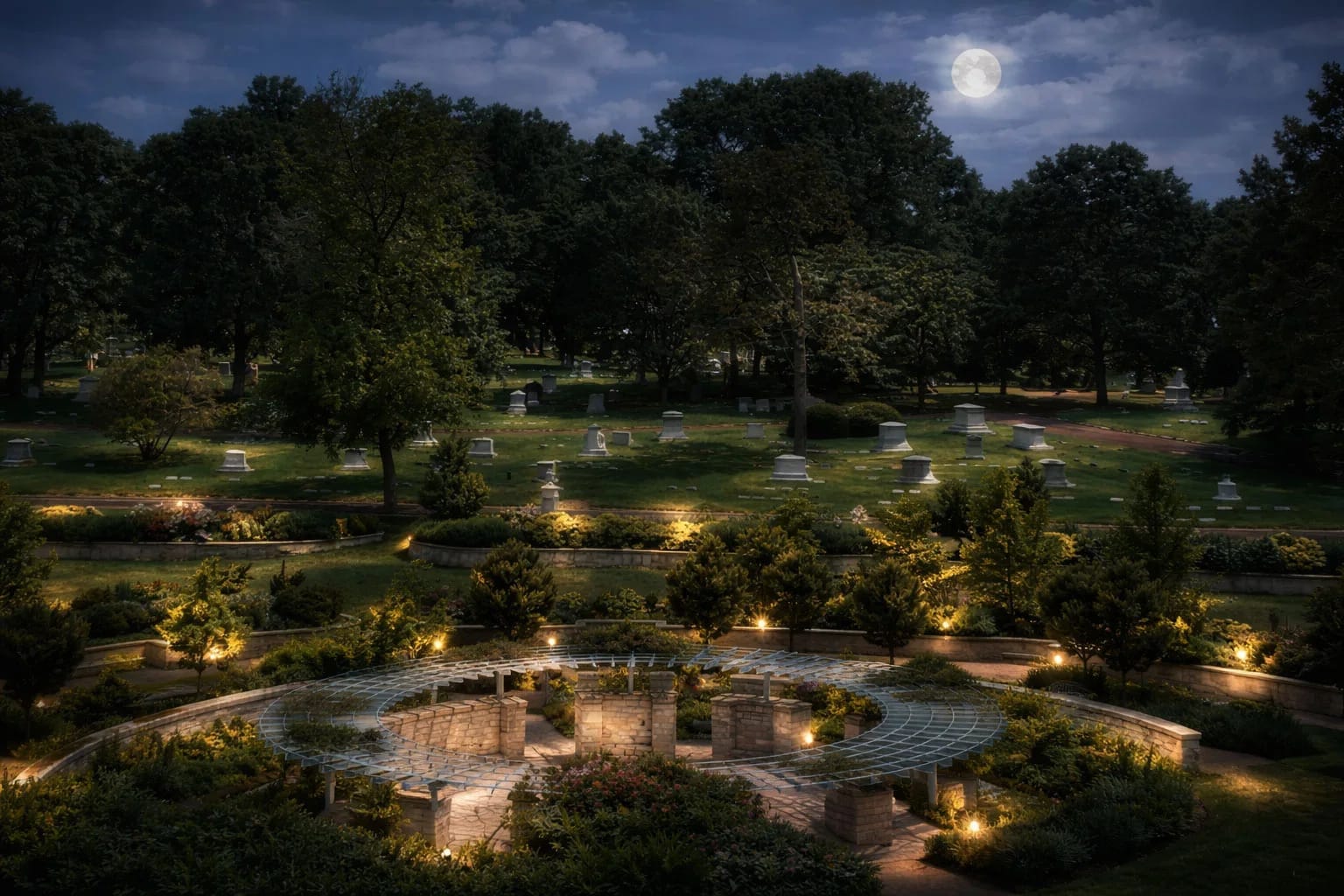
Lone Fir is the Pacific Northwest's entry: a pioneer cemetery now surrounded by city streets, with a first burial in 1846 and about 25,000 people buried here. Choose it for settlement-era history and a broad cross-section of a young city, with stories of shadow figures among the oldest graves.

The story people tell

The stories told most often are of shadow figures in the oldest section, dark human-shaped forms that visitors say appear at dusk near the monuments and dissolve when looked at directly. Visitors near the cemetery's historic Chinese section have also described figures in period Chinese clothing and the scent of incense when no one else is around.

History we checked · 3 sources
  • The first burial, in 1846, was Emmor Stephens. (Oregon Metro)
  • The land was platted as Mount Crawford Cemetery in 1855 and renamed Lone Fir in 1866. (Oregon Metro)
  • About 25,000 people are buried at Lone Fir, and Metro is creating a memorial garden on Block 14, the cemetery's historic Chinese section. (Oregon Metro)

Today: Open to the public (Open daily, 7am to sunset.) — verified October 28, 2026 (source)
San Diego, CAStatus not confirmed

El Campo Santo Cemetery

1849Disturbed graves

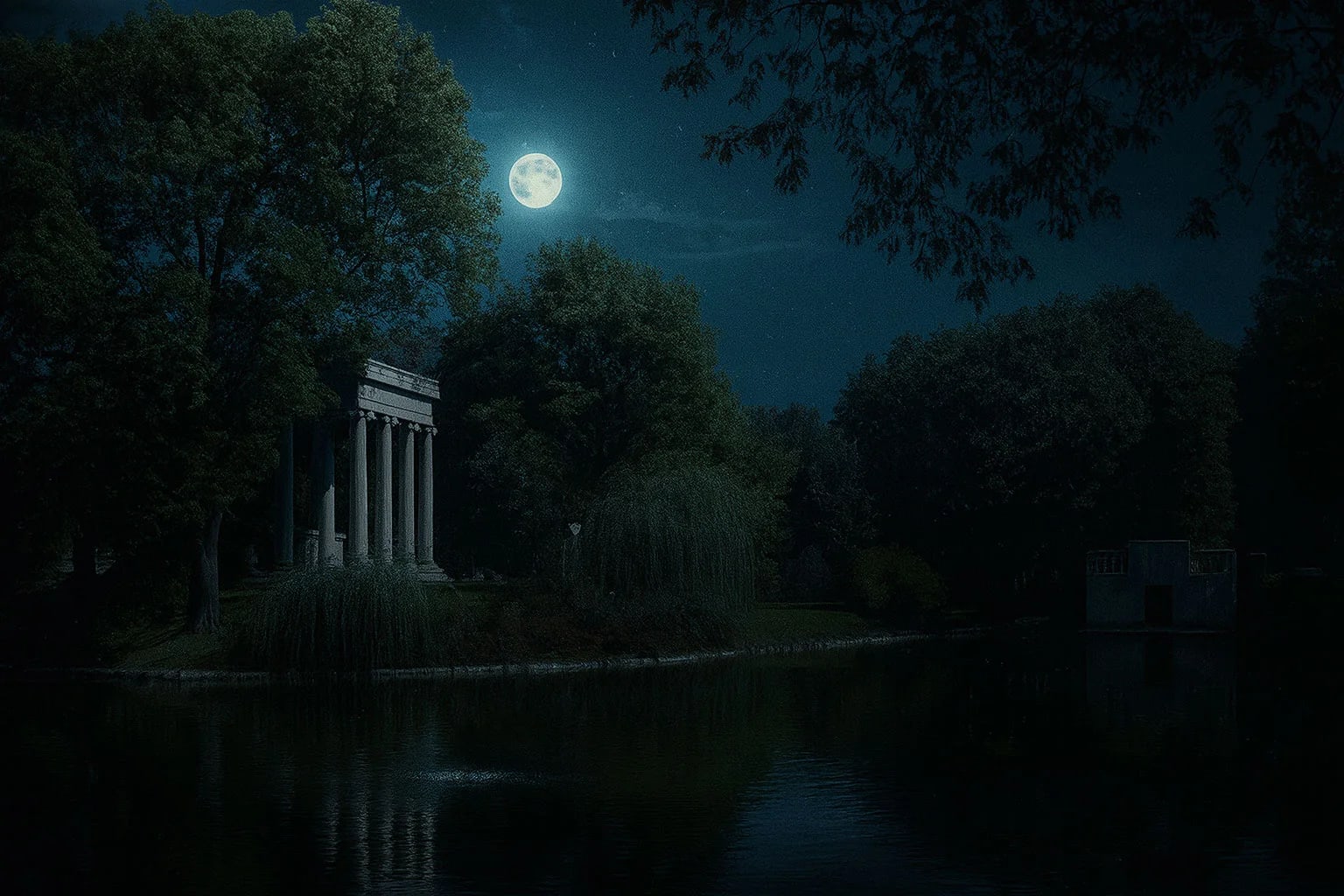
El Campo Santo is the collection's Old Town California cemetery, small and early, where a streetcar line was later run straight through the graves. That disturbance shapes its stories, which spill out onto the street. Choose it for the earliest years of American San Diego, and for a history that links early burials such as Antonio Garra's with the city that grew over the dead.

The story people tell

Three figures are described most often. Some say a tall Native man stands near the fence at dusk, linked in lore to Antonio Garra; others describe a gravedigger with a shovel tending graves that now lie under the pavement. And people walking San Diego Avenue have reported Rafael, a young man said to stand in the street looking down at his feet, as if searching for the grave the tracks split.

History we checked · 3 sources

Today: We could not confirm current public access (checked October 28, 2026) — contact the cemetery before you visit (source)

San Francisco, CAOpen to the public

San Francisco Columbarium

Also known as: the Odd Fellows Columbarium; long known as the Neptune Society Columbarium

We write about San Francisco but do not run tours there.

1898Victorian woman in the galleries

Not a graveyard but a domed neoclassical rotunda of niches, built in 1898 for the Odd Fellows Cemetery. It survived when San Francisco removed its cemeteries, so it is a rare trace of the city's lost burial grounds, quite unlike the open-air cemeteries elsewhere in this collection.

The story people tell

Visitors and staff have described a woman in Victorian dress seen in the upper galleries, whispering in the empty rotunda, and keepsakes found moved around the niches overnight. These accounts are told as part of the building's lore.

History we checked · 1 source
  • The columbarium was built in 1898 for the Odd Fellows Cemetery. (KQED, 2022)

Today: Open to the public (Office and cemetery visiting hours Monday–Friday, 9am–5pm (the same page also says it is 'open seven days a week' and welcomes tours).) — verified October 28, 2026 (source)
Comparing the cemeteries by era and kind

Colonial burying grounds are the oldest places here: Boston's King's Chapel, Granary and Copp's Hill, Salem's Burying Point, Charleston's Circular Church graveyard, Philadelphia's Christ Church Burial Ground and Savannah's Colonial Park. Expect compact plots in the middle of a city, plain slate or marble stones, and far more burials than surviving markers. Their stories lean toward the people of the founding era.

Victorian garden, or rural, cemeteries were designed in the nineteenth century as landscaped places for the living to walk among the dead. Bonaventure, Hollywood, Bellefontaine and Graceland belong to this tradition, with winding roads, mature trees and elaborate monuments. They reward a longer visit, and their stories often attach to statues and mourners.

Some places here fit neither mold. Gettysburg is a national military cemetery laid out after a single battle; Lincoln's tomb is a monument within a larger cemetery; Huguenot Cemetery is a small Protestant ground with a short span of use; and Lone Fir is a pioneer cemetery that grew with Portland. Tombstone's Boothill is the frontier boot hill, a desert graveyard tied to the town's violent early years.

New Orleans' above-ground "cities of the dead", St. Louis Cemetery No. 1, Lafayette Cemetery No. 1, St. Roch and Metairie, feel unlike anything else on this list, with walled tombs lining narrow alleys. Access is tight at the two oldest: St. Louis No. 1 can be entered only with an authorized guide, and Lafayette No. 1 is closed to the public except for scheduled guided tours, so check their status before planning around them. (Also update review.overlapReviewed[1].note to 'includes four New Orleans cemeteries'.)

Visiting respectfully

Every place in this collection is, or was, a burial ground first. Several are still active cemeteries where families visit and burials continue, and others are protected historic sites. Treat them as you would any cemetery: keep your voice down, give mourners space, and stay on paths and roadways.

Follow the posted rules at each site. Some cemeteries can be entered only on certain days, some charge admission, and some allow entry only with an authorized guide. Hours change with the season and for holidays and weather, so check with the cemetery or its managing organization before you go rather than relying on older guidebooks.

Please do not touch, lean on, climb or rub headstones and monuments, and do not leave marks, chalk or tape on them. Many stones are fragile and centuries old, and gravestone rubbings can damage them. Leave offerings only where the site allows, and take nothing away.

Ask before photographing funerals or other visitors, and check whether a site requires permission for photo shoots, filming or drones. Ghost stories are part of how these places are remembered, but the people buried here were real, and their graves deserve the same care as any other.

Go deeper by city

Some of our destinations have their own collection with every place of this kind we cover there.

Where we run ghost tours

Ghost City Tours runs tours in these destinations. Being listed in this collection does not mean a tour visits a place: a tour includes a place only where its entry says “Featured on”.

By The Ghost City Tours editorial team. Historical details were checked against the sources cited with each place on October 28, 2026. Ghost stories are presented as the accounts people tell, not as established fact.

Hotel operations, access rules and hours change — confirm with each place before you travel.

Reviewed by Tim Nealon on October 28, 2026.