Gettysburg Changes After Dark
During the day, Gettysburg is a place of monuments, plaques, and guided bus tours. Families walk the fields where Pickett's Charge took place. Students read the inscriptions on granite markers. Park rangers explain troop movements with the calm authority of people who have told these stories ten thousand times.
And then the sun goes down.
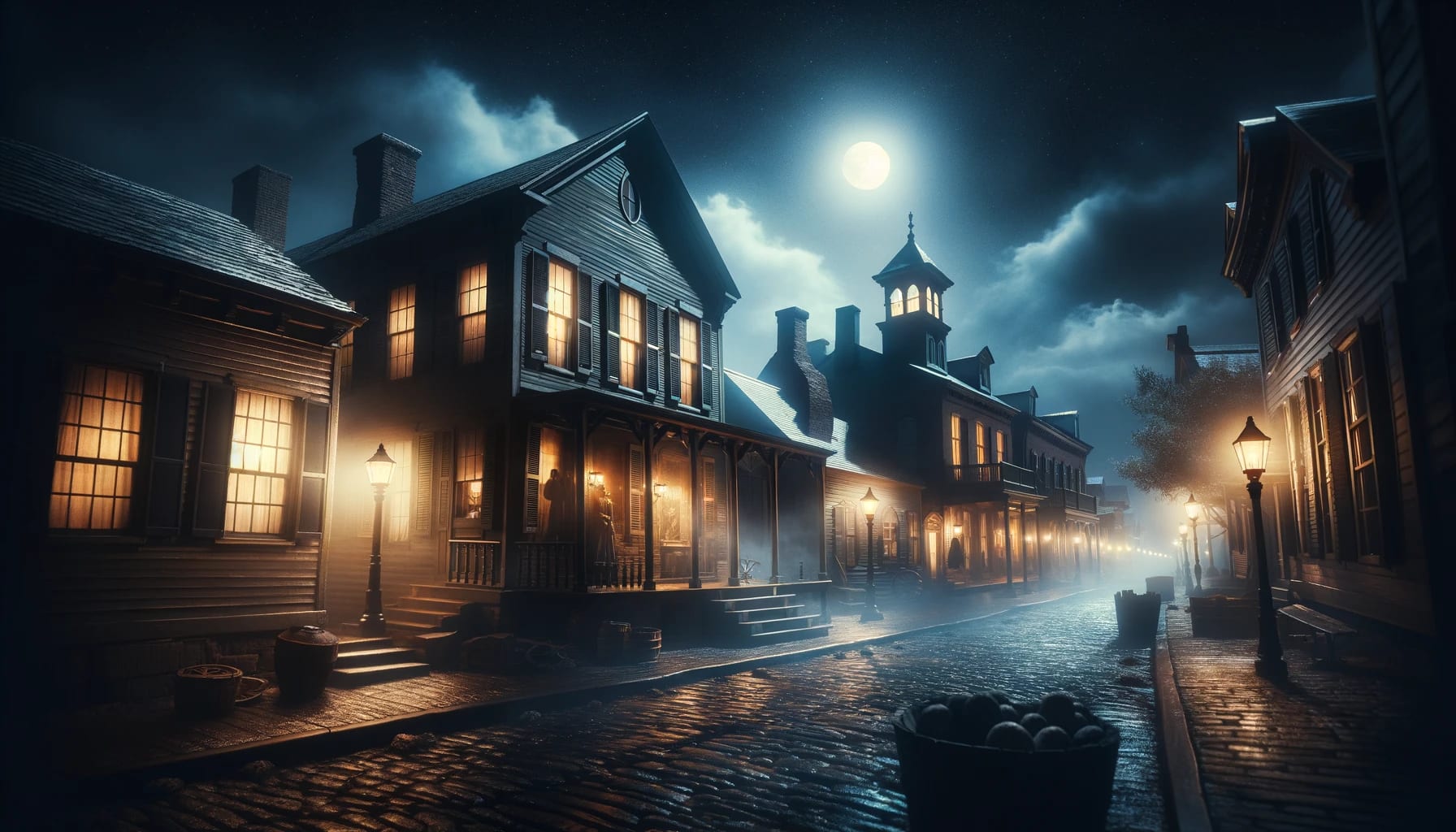
The crowds leave. The park roads empty. The monuments become silhouettes against a darkening sky. And something shifts — not dramatically, not all at once, but unmistakably. The air gets heavier. The silence deepens into something that does not feel like ordinary quiet. Visitors who linger near closing time report a sensation that is difficult to articulate but impossible to ignore: the feeling that they are no longer alone.
Here is the reality that shapes every haunted visit to Gettysburg: the Gettysburg Battlefield is closed after dark. The National Park Service closes the battlefield at 10:00 PM from April through October and at 7:00 PM from November through March. After those hours, the roads are gated, the fields are off-limits, and the most historically significant ground in the entire town is inaccessible.
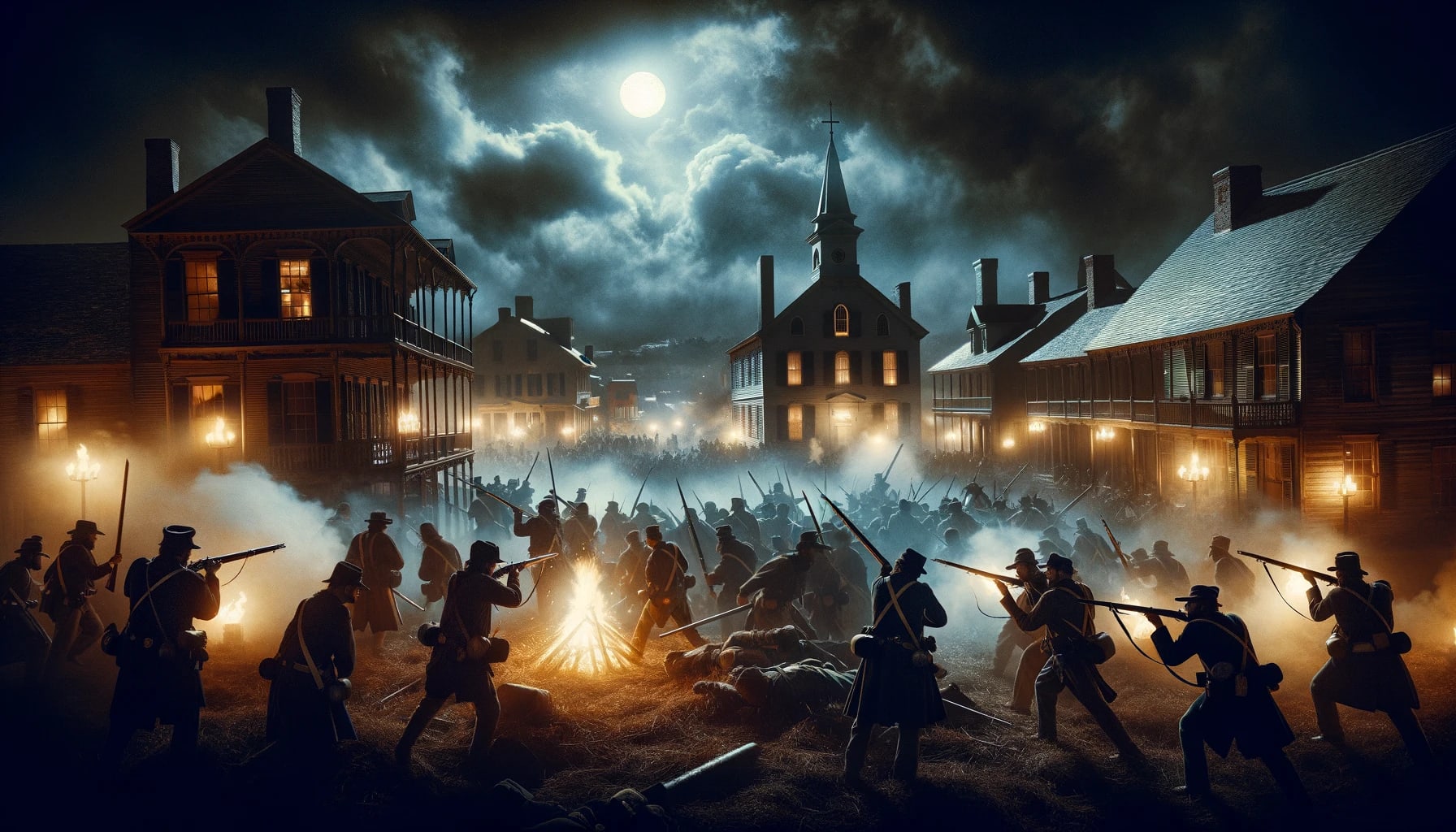
This matters — because the battlefield is where the majority of the killing happened. It is where more than 51,000 soldiers became casualties in three days. It is where the residual energy of the Civil War's most devastating engagement is concentrated. And you cannot walk it at night.
But Gettysburg is more than the battlefield. The town itself was transformed into a sprawling field hospital after the battle. Private homes became operating rooms. Churches became morgues. Hotels became wards where soldiers died by the dozens. The hauntings of Gettysburg extend far beyond the park boundaries, into the streets, buildings, and alleyways of the town that absorbed the battle's aftermath.
To truly experience haunted Gettysburg, you need a plan — one that takes you through the battlefield while the light lasts, into the haunted heart of town as evening falls, and into the hands of experienced guides once darkness settles in. This itinerary gives you that plan.
For a deeper look at why Gettysburg is so haunted, start there. This article is about how to experience it.
How to Use This Itinerary
This itinerary breaks a haunted visit to Gettysburg into three phases, each designed to build on the last:
Phase 1: Daytime Battlefield Exploration (3:00 PM – Sunset) — Visit the locations where the fighting and dying actually happened. Walk the ground. Feel the terrain. Understand the geography of the battle before you encounter its ghosts.
Phase 2: Evening Haunted Town Walk (6:30 PM – 9:00 PM) — Explore the most haunted locations in town — the buildings that served as hospitals, the homes where civilians suffered, and the streets where paranormal activity has been reported for over 160 years.
Phase 3: Nighttime Ghost Experience (9:00 PM and later) — Join a guided ghost tour or ghost hunt led by historians and paranormal investigators who know where the activity concentrates and how to find it.
You can follow the full itinerary in a single evening or spread it across two nights for a deeper experience. Either way, the structure is designed to move you from history into haunting — from understanding what happened here to experiencing what remains.
For a complete guide to all of Gettysburg's haunted locations, explore our Haunted Gettysburg page.
What is the best way to experience haunted Gettysburg? The best way to experience haunted Gettysburg is to combine daytime battlefield exploration with an evening walk through the town's most haunted locations, followed by a guided ghost tour or ghost hunt after dark. The battlefield closes at night, so a planned approach that covers all three phases — history, atmosphere, and paranormal experience — gives you the most complete and immersive visit possible.
Part 1: Daytime — Where the Hauntings Begin (3:00 PM – Sunset)
The battlefield holds the history. Night reveals the experience. But the hauntings begin where the dying began — on the ground itself.
Arriving in the late afternoon gives you the best conditions for battlefield exploration. The light is softer. The crowds are thinning. And the approaching sunset creates an atmosphere on the fields and hills that daytime visits cannot match. You are not just touring a historic site. You are walking through the landscape of the largest mass casualty event in American history, and the late afternoon light reminds you of it in ways that midday brightness does not.
Stop 1: Devil's Den (Allow 30–45 minutes)
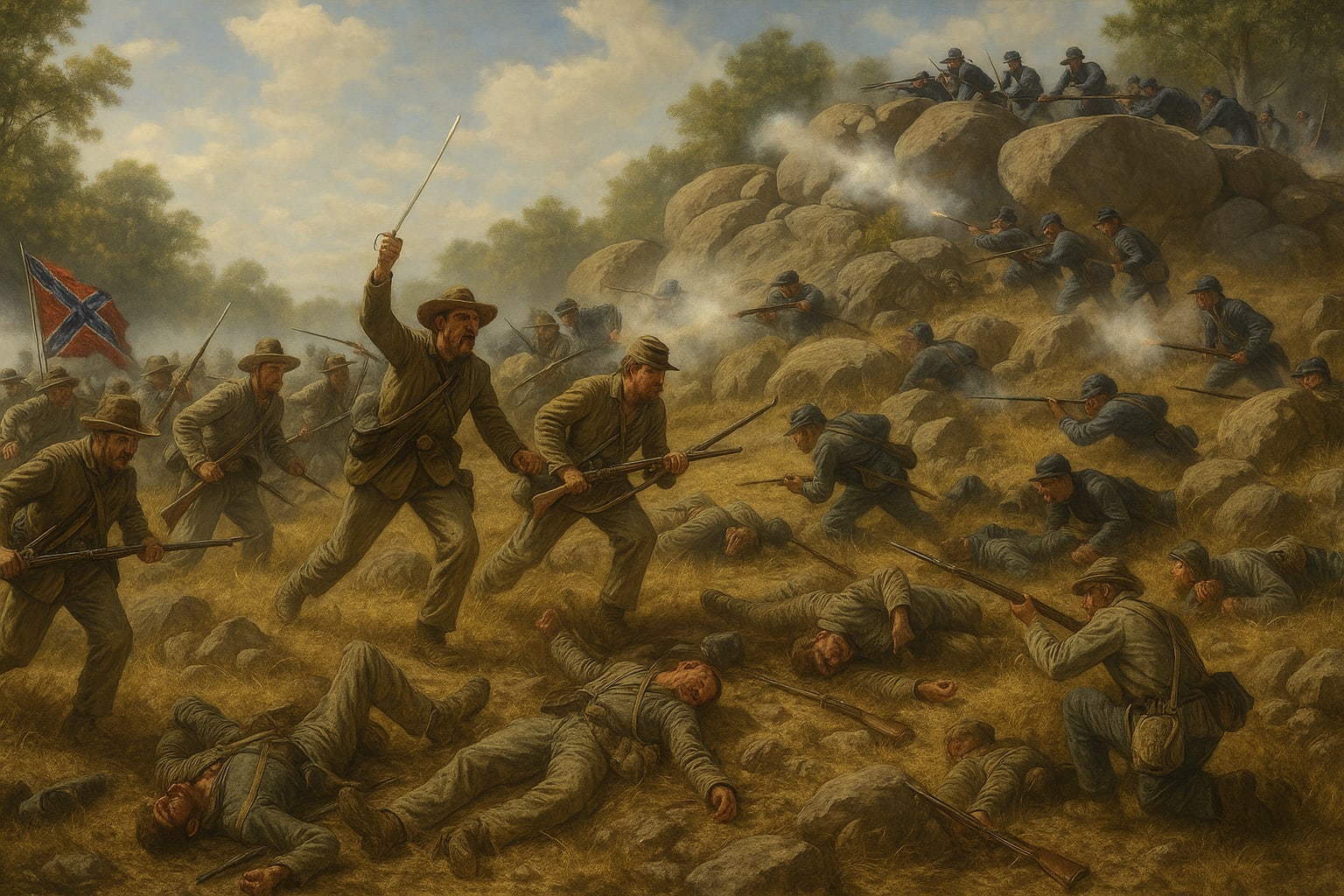
Start at Devil's Den, the boulder-strewn landscape at the southern end of the battlefield where some of the most vicious close-quarters fighting of the entire battle took place on July 2, 1863. Confederate and Union soldiers fought among these massive rocks at point-blank range, and the casualties were devastating.
Devil's Den is one of the most paranormally active locations in Gettysburg. Visitors have reported shadow figures moving among the boulders, cameras and phones malfunctioning without explanation, and encounters with the famous "barefoot soldier" — a figure in ragged Confederate clothing who has been seen and photographed by visitors for decades.
Visit before sunset. Walk among the boulders. Pay attention to the terrain — the narrow gaps between the rocks, the natural hiding places, the killing grounds that are obvious once you understand what happened here. This is not a place that requires imagination. The violence is written into the landscape.
[INSERT HAUNTED LOCATION CARD: Devil's Den]
Stop 2: Little Round Top (Allow 20–30 minutes)
From Devil's Den, drive or walk to Little Round Top — the rocky, wooded hill where Colonel Joshua Lawrence Chamberlain and the 20th Maine Infantry held the extreme left flank of the Union line on the evening of July 2. When they ran out of ammunition, Chamberlain ordered a bayonet charge downhill that swept the Confederates off the slope and saved the Union position.
The fighting here was desperate and hand-to-hand, and the hill has been a consistent source of paranormal reports. Visitors hear the smell of gunpowder on still evenings. The sound of men shouting — distant but distinct — has been reported by people standing on the summit at dusk. Shadow figures have been seen moving through the trees in the fading light.
Stand on the crest and look south, toward Devil's Den and the Wheatfield. Understand the scale of what you are seeing. Every field in your line of sight was a killing ground. The emotional weight of that realization is part of why Gettysburg affects people the way it does.
[INSERT HAUNTED LOCATION CARD: Little Round Top]
Stop 3: The Open Battlefield (Allow 20–30 minutes)
Before you leave the park, drive the auto tour route through the open fields where the infantry assaults took place. The scale of the battlefield is something that photographs and descriptions cannot convey. These are vast, open spaces — fields that stretch for hundreds of yards between tree lines, with no cover, no protection, and no escape for the men who were ordered to cross them under fire.
The fields where Pickett's Charge took place are particularly affecting in the late afternoon. The distance from Seminary Ridge to the Union line on Cemetery Ridge is roughly three-quarters of a mile — an open, uphill walk that 12,500 Confederate soldiers made on the afternoon of July 3, 1863, under continuous artillery and rifle fire. Thousands of them never made it across.
During the day, these fields are quiet. Beautiful, even. But as the light fades and the shadows lengthen, something changes. The quiet stops feeling peaceful and starts feeling occupied. This is the transition that experienced visitors describe — the moment when the battlefield shifts from historic site to something else entirely.
As the sun sets, the battlefield closes. But Gettysburg does not.
Part 2: Evening — The Town That Carries the War (6:30 PM – 9:00 PM)
The town of Gettysburg absorbed the battle's aftermath in ways that left permanent marks on its buildings, its streets, and — if the reports of more than a century and a half are to be believed — its spiritual fabric. After the fighting ended, every structure large enough to hold a wounded man became a hospital. Surgeons operated in dining rooms. Amputated limbs piled up in backyards. Civilians walked through blood to reach their kitchens.
The evening phase of this itinerary takes you through the most haunted locations in town — places where the suffering was intimate, prolonged, and concentrated in spaces that still stand today.
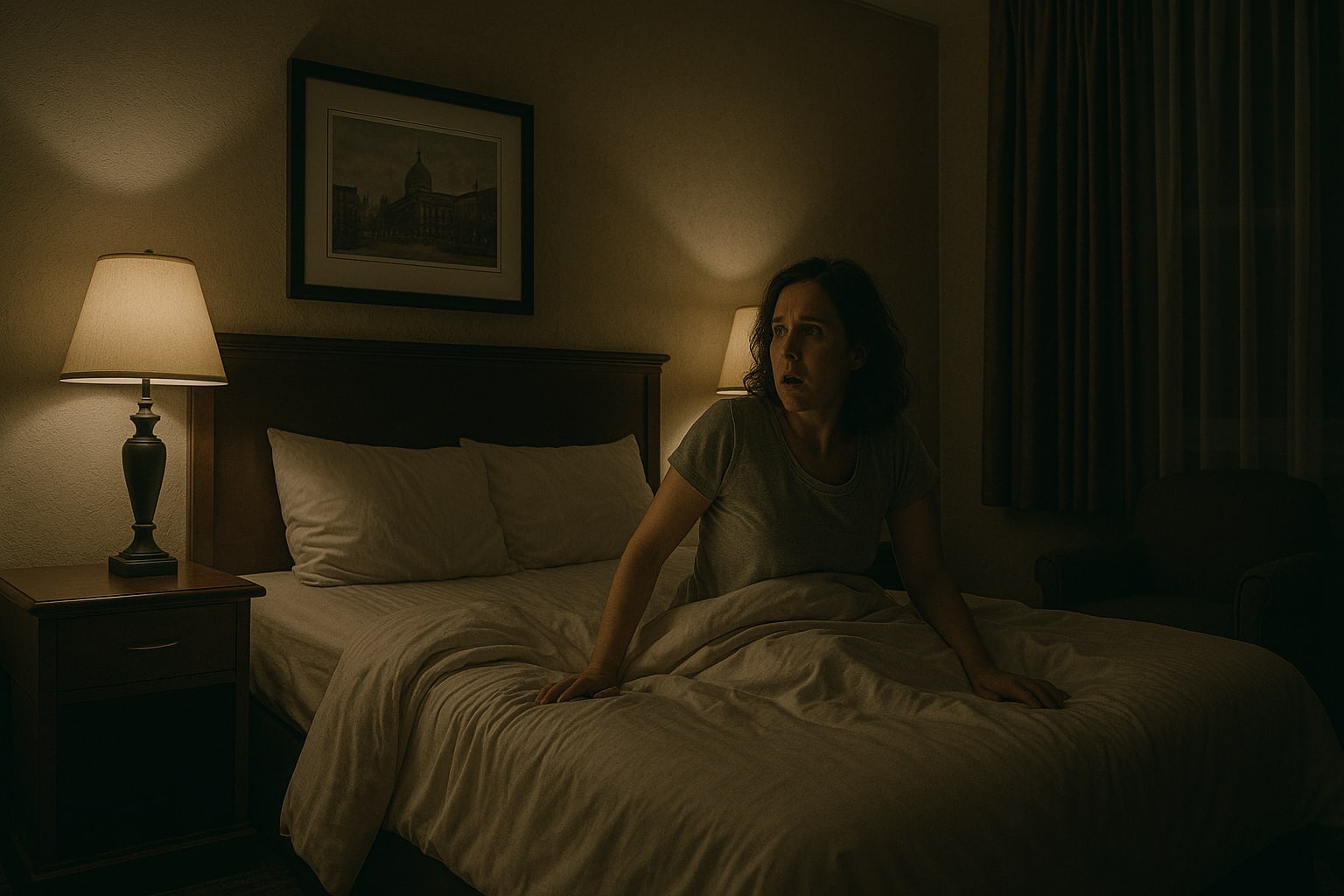
The Ghosts of the Gettysburg Hotel
Established in 1797, this hotel served as a hospital during the battle and hosted Lincoln before the Gettysburg Address. Guests report Civil War apparitions, phantom footsteps, and a ghostly nurse.
Read More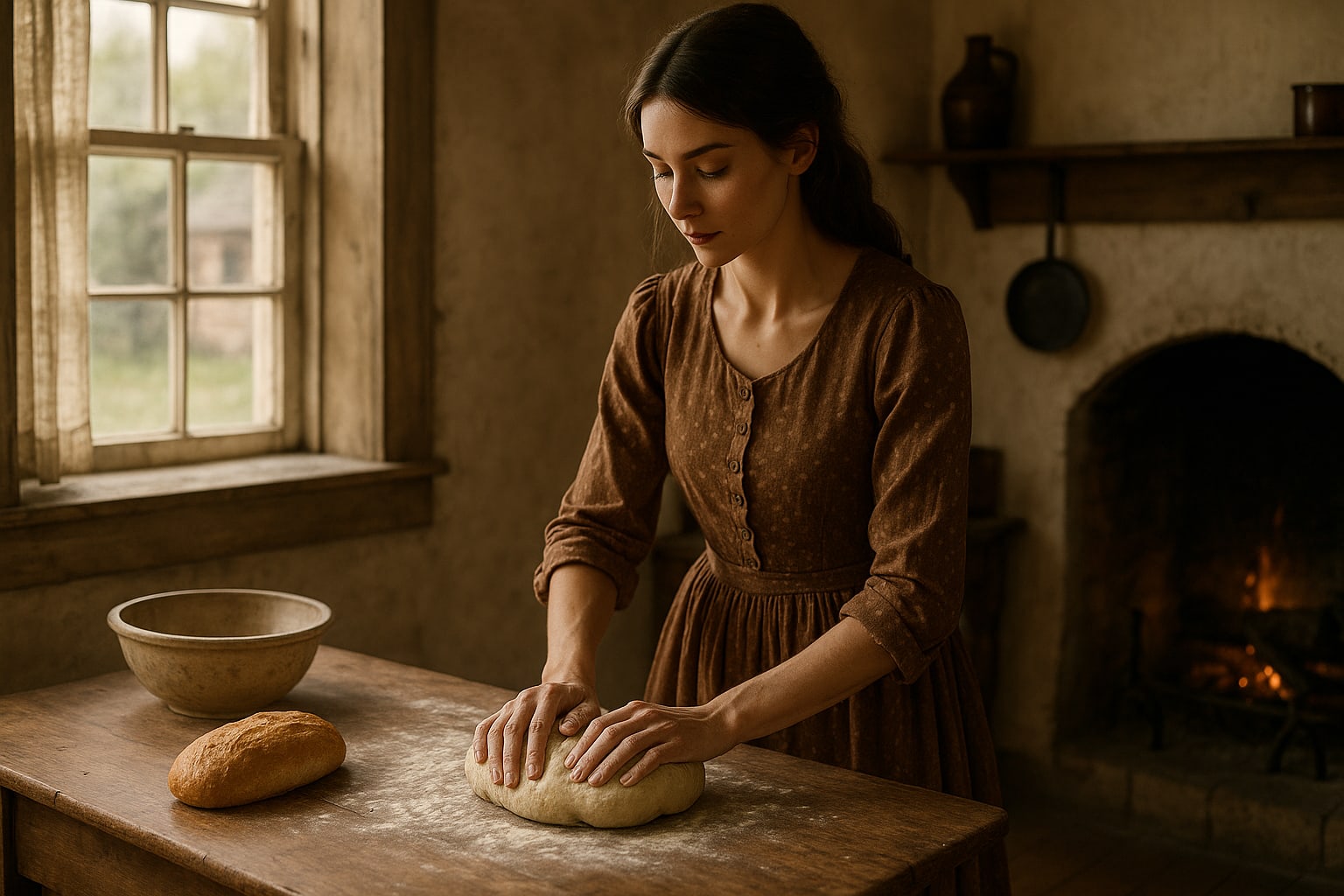
The Ghost of Jennie Wade
The only civilian killed during the Battle of Gettysburg, struck by a stray bullet while baking bread. Visitors report the smell of fresh bread, a woman's humming, and the sensation of invisible hands.
Read More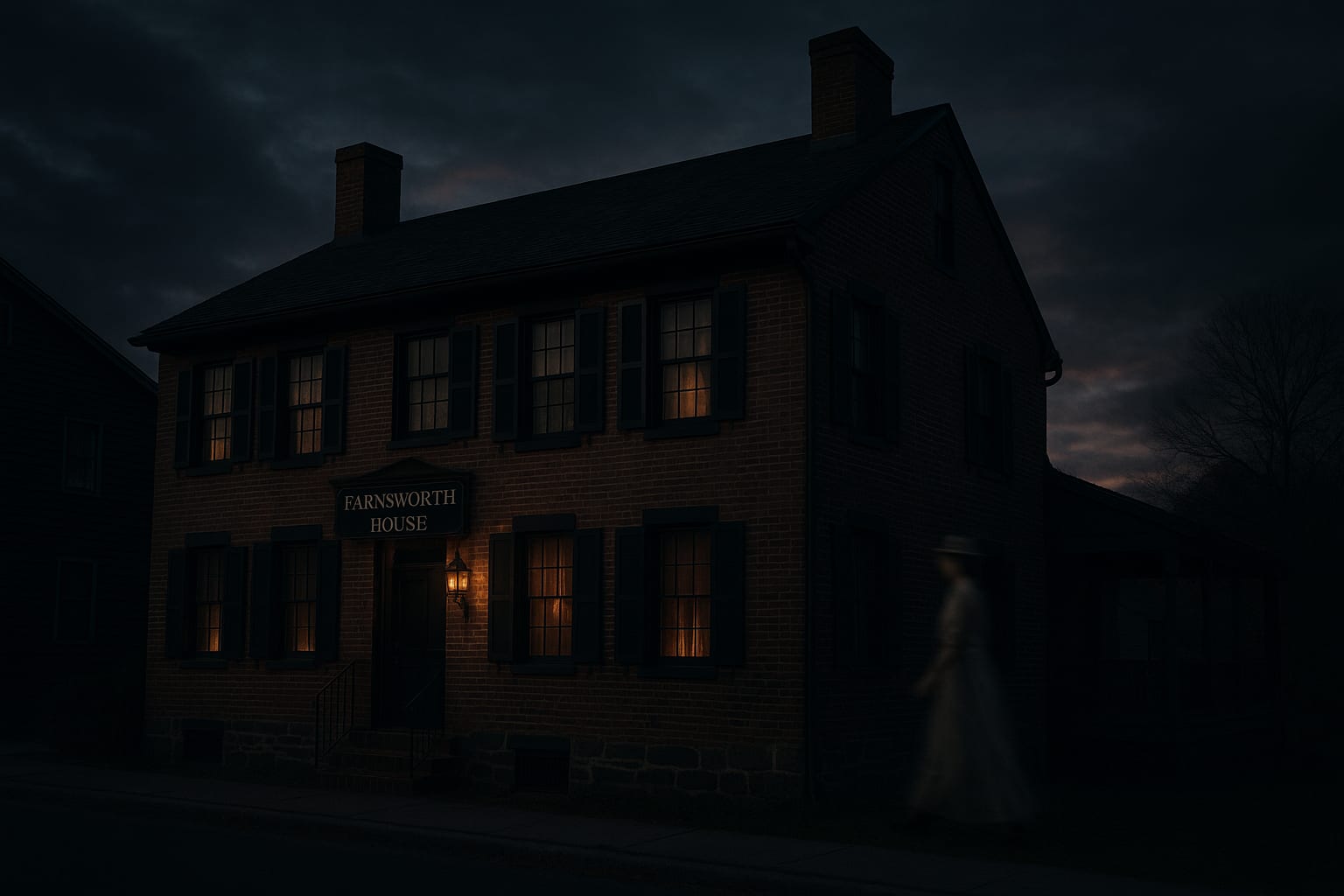
The Haunted Farnsworth House
This 1810 house bears over 100 bullet holes from Confederate sharpshooters. After the battle, it served as a field hospital. Guests report footsteps, cold spots, and the apparition of a Confederate soldier.
Read More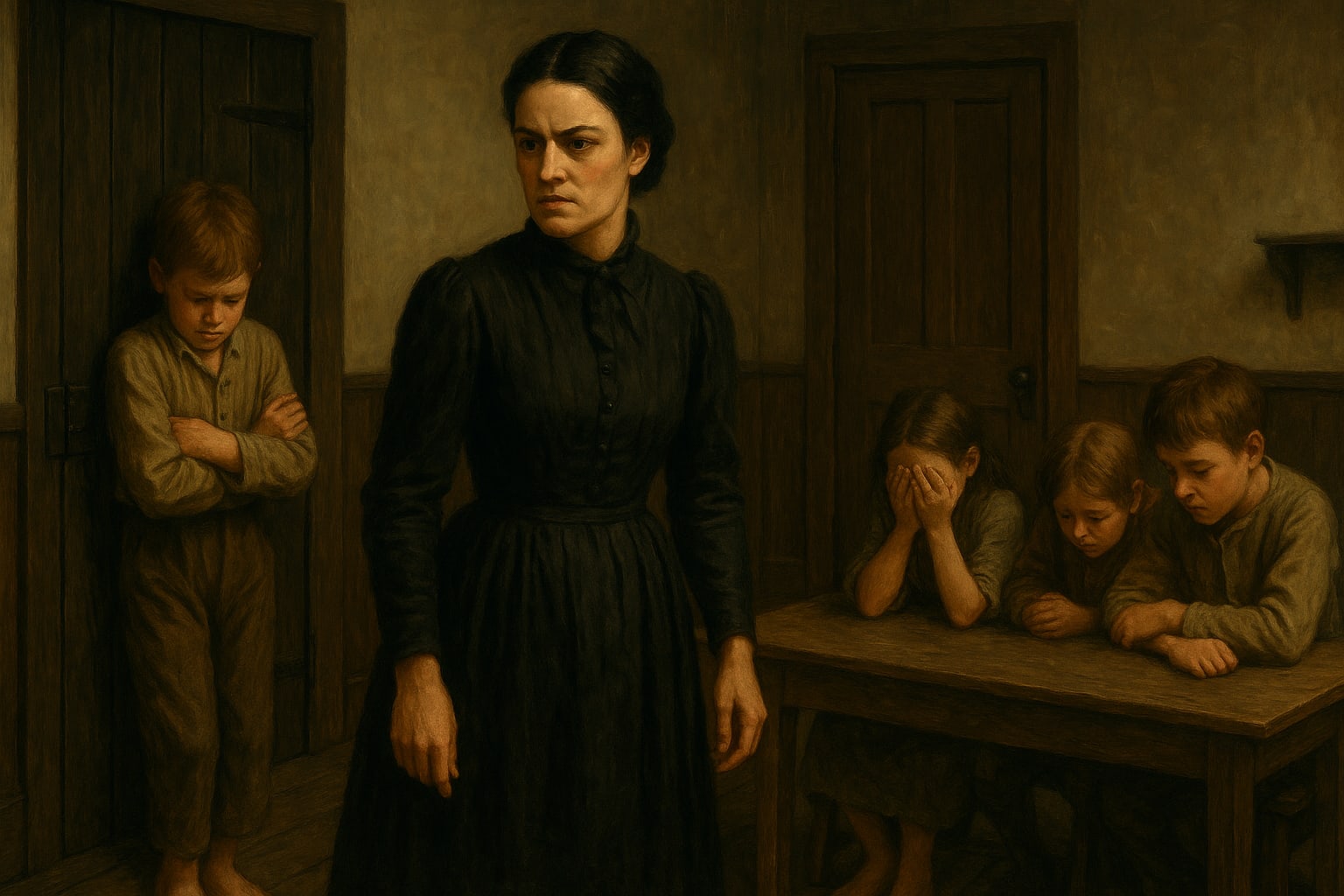
The Ghosts of the Gettysburg Children's Orphanage
Established to shelter children orphaned by the war, the Orphanage became a place of abuse. Visitors report children's voices, chains rattling in the basement, and the sensation of small hands grasping theirs.
Read MoreStop 4: Gettysburg Square
Begin at Lincoln Square, the central hub of Gettysburg. This is where the town's main roads converge, and it is the natural starting point for exploring the haunted locations that radiate outward from the center. During the battle, this square was a scene of chaos — soldiers moving through, wounded being transported, civilians sheltering wherever they could. Today, it is a lively gathering point surrounded by shops, restaurants, and historic buildings. But after dark, when the shops close and the foot traffic thins, the square takes on a different character. The buildings that frame it are among the oldest in town, and several of them have histories that extend back to the battle itself.
Stop 5: The Gettysburg Hotel
Established in 1797, the Gettysburg Hotel is one of the oldest buildings in town. During the battle, it served as a hospital. In November 1863, it hosted President Abraham Lincoln on the night before he delivered the Gettysburg Address.
The hotel's long history and its direct connection to the battle have made it one of the most actively haunted locations in Gettysburg. Guests have reported apparitions in Civil War-era clothing, doors that open and close on their own, and the sound of footsteps in hallways that are empty when investigated. The ghost of a nurse — believed to be a woman who tended to wounded soldiers — has been seen on multiple floors, moving with purpose before vanishing through a wall.
[INSERT HAUNTED LOCATION CARD: Gettysburg Hotel]
Stop 6: The Jennie Wade House
Jennie Wade was the only civilian killed during the Battle of Gettysburg, struck by a stray bullet that passed through two doors while she was baking bread for Union soldiers on the morning of July 3, 1863. She was twenty years old.
The house where she died is one of the most visited and most haunted locations in Gettysburg. Visitors have reported the smell of fresh bread, the sound of a woman humming, and the sensation of being touched by unseen hands. The bullet hole in the door is still visible — a small, round reminder that the violence of Gettysburg reached into ordinary homes and took ordinary lives.
[INSERT HAUNTED LOCATION CARD: Jennie Wade House]
Stop 7: The Farnsworth House
Built in 1810, the Farnsworth House was occupied by Confederate sharpshooters during the battle. Its brick walls still bear more than 100 bullet holes. After the fighting, the house was used to treat wounded soldiers, and the suffering that occurred within its walls has left a mark that visitors and investigators report experiencing to this day.
Guests have described footsteps in empty rooms, sudden temperature drops, and the apparition of a Confederate soldier on the upper floors. Ghost City Tours guides have shared their own experiences near the Farnsworth House — moments where the boundary between the present and the past seemed to thin without warning.
[INSERT HAUNTED LOCATION CARD: Farnsworth House]
Stop 8: The Orphanage
The National Soldiers' Orphan Homestead was established after the battle to house children orphaned by the war. Under the direction of a cruel headmistress named Rosa Carmichael, it became a place of abuse — children beaten, confined in a dungeon-like basement, and subjected to punishments that shocked investigators when the abuse was exposed in 1876.
The building has been the subject of intense paranormal activity for decades. Visitors hear children's voices — laughing, crying, calling out. The sound of chains in the basement has been reported by investigators. Several visitors have described the sensation of a small hand grasping their own as they walk through the building's narrow hallways.
As darkness settles, Gettysburg becomes something else entirely.
[INSERT HAUNTED LOCATION CARD: Gettysburg Orphanage]
Part 3: Night — Where the Real Experience Begins (9:00 PM and Later)
This is where planning matters most.
The battlefield is closed. Most of the town's haunted buildings are private properties or businesses that have shut for the night. You cannot simply wander into a field hospital or explore a haunted hotel basement on your own. The locations where paranormal activity is most frequently reported are either inaccessible after dark or require a guide to access safely and legally.
This is not a limitation — it is the reason guided experiences exist in Gettysburg. The best ghost tours and ghost hunts in town are led by people who have spent years building relationships with property owners, researching the history of specific locations, and documenting paranormal activity through repeated investigation. They know where to go. They know what to look for. And they have the access that independent visitors do not.
This is where Ghost City Tours comes in.
Ghost Tours — The Best Way to Experience Haunted Gettysburg
Ghost City Tours offers nightly walking tours through the most haunted streets and locations in Gettysburg. These are not theatrical performances or scripted entertainment. They are historically grounded experiences led by guides who are equal parts historian and paranormal investigator.
Every story told on a Ghost City Tours experience is rooted in documented history — real people, real events, real suffering. The guides know the battle. They know the buildings. And they know the ghost stories because many of them have experienced the hauntings firsthand.
During tours, guides and guests have reported shadow figures moving through locations with striking regularity. Sudden temperature drops in areas with no environmental explanation. Photographs that capture anomalies invisible to the naked eye. These experiences are not guaranteed — no responsible operation promises that — but they occur with enough frequency that our guides have come to regard them as part of the fabric of walking through Gettysburg after dark.
The Haunted Echoes Ghost Tour is a 90-minute, family-friendly walking tour suitable for all ages — the perfect entry point for a haunted Gettysburg evening. For a more intense experience, the Blood on the Battlefield Ghost Tour is a 90-minute adults-only tour (ages 16+) that explores the darker truths of the battle and its aftermath.
Both tours depart nightly from 10 Lincoln Square.
The Ultimate Experience — The Gettysburg Ghost Hunt
This is not a tour. This is participation.
The Gettysburg Ghost Hunt is a three-hour, small-group paranormal investigation conducted inside one of the most haunted houses in Gettysburg. Limited to just 10 guests per night, this experience puts real investigation tools in your hands — EMF meters, EVP recorders, spirit boxes, and thermal cameras — and guides you through the process of actively searching for evidence of paranormal activity.
The investigation is led by seasoned paranormal investigators who have documented activity in this location over hundreds of sessions. They know the hot spots. They know the patterns. And they will teach you the tools, techniques, and theories of ghost hunting while you actively seek out the spirits that have been reported in this building for generations.
This is the experience for people who want to go beyond listening to stories. You are no longer observing — you are involved. You are asking the questions. You are holding the equipment. You are standing in the dark, in a house where soldiers suffered and died, waiting for a response.
The Ghost Hunt runs nightly at 8:30 PM. Ages 16+. Tickets are $59.99 and sell out frequently — advance booking is strongly recommended.
What People Actually Experience at Night
The reports from Ghost City Tours guests and guides paint a consistent picture of what nighttime Gettysburg is like for those who are paying attention.
Shadow figures are the most commonly reported phenomenon. Dark, humanoid shapes that move with purpose — crossing a street, standing in a doorway, walking along a fence line — before disappearing. They are seen most frequently at dusk and in the first hours after full darkness, and they tend to appear in the same locations repeatedly.
Voices are reported with surprising frequency. Whispered conversations that seem to come from inside locked buildings. A single word — a name, a command, a plea — heard clearly by one person in a group while others hear nothing. EVP recorders have captured responses to direct questions in locations where no living person was speaking.
Sudden temperature drops — dramatic, localized cold spots that appear and disappear within seconds — are reported on nearly every tour. Guests describe walking through a pocket of air that is twenty or thirty degrees colder than the surrounding environment, lasting just long enough to register before the temperature normalizes.
These are not stories we tell. These are things our guides and guests experience, documented over years of nightly tours in one of the most paranormally active locations in the country.
The 2-Night Itinerary
If you have two nights in Gettysburg, you can spread the experience for maximum impact.
Night 1: Town + Ghost Tour
- Afternoon: Battlefield exploration (Devil's Den, Little Round Top, open fields)
- Evening: Walk the haunted town locations (Gettysburg Hotel, Jennie Wade House, Farnsworth House, The Orphanage)
- Night: Join a Ghost City Tours ghost tour — either the family-friendly Haunted Echoes tour or the adults-only Blood on the Battlefield tour
Night 2: Ghost Hunt
- Afternoon: Revisit battlefield locations you want to spend more time with, or explore Sachs Covered Bridge and the National Cemetery
- Evening: Dinner in town, revisit any haunted locations that affected you the night before
- Night: Join the Gettysburg Ghost Hunt for a three-hour, hands-on paranormal investigation
This two-night structure gives you the full range of the Gettysburg experience — from the historical foundation of the battlefield to the intimate, participatory intensity of a real ghost hunt inside a haunted building.
Best Times for Paranormal Activity
Paranormal activity in Gettysburg has been reported year-round, but patterns have emerged over decades of observation.
Late night tends to produce more reports than early evening. The hours between 9:00 PM and midnight are the most active window, according to both investigators and tour guides. This coincides with the period when ambient noise drops, foot traffic decreases, and the sensory environment becomes quiet enough to notice subtle phenomena.
Seasonal effects are real but subtle. Summer months — particularly late June and early July, around the anniversary of the battle — tend to produce a spike in reports. Whether this is due to increased paranormal activity or simply increased visitor traffic is debated. Fall and winter, when the crowds thin and the landscape becomes more stark and atmospheric, are favored by serious investigators because the reduced background noise makes anomalies easier to detect.
Weather matters. Overcast nights, light fog, and the hours before and after storms are frequently cited as conditions that correlate with increased activity. Investigators theorize that changes in barometric pressure and electromagnetic conditions may influence paranormal phenomena, though this remains unproven.
The bottom line: if you are visiting Gettysburg with the hope of experiencing something unexplained, plan for a nighttime guided experience. The combination of expert guidance, established access to active locations, and the atmospheric conditions of Gettysburg after dark gives you the best opportunity available.
Frequently Asked Questions
Can you go on the Gettysburg battlefield at night?
No. The Gettysburg National Military Park is closed after dark — 10:00 PM from April through October and 7:00 PM from November through March. The roads are gated and the fields are off-limits after closing. Visitors who want to experience Gettysburg's hauntings after dark should explore the town's haunted locations and join a guided ghost tour or ghost hunt, which operate in accessible areas of town where paranormal activity is frequently reported.
What is the best ghost tour in Gettysburg?
Ghost City Tours is rated 4.8 stars by thousands of guests and offers multiple nightly experiences in Gettysburg. The Haunted Echoes Ghost Tour is a 90-minute, family-friendly walking tour suitable for all ages. The Blood on the Battlefield Ghost Tour is a 90-minute, adults-only experience (ages 16+) that explores the darker side of Gettysburg's haunted history. Both tours are led by guides who combine historical expertise with first-hand paranormal experience.
What is the Gettysburg Ghost Hunt?
The Gettysburg Ghost Hunt is a three-hour, small-group paranormal investigation conducted inside one of the most haunted houses in Gettysburg. Limited to 10 guests per night, the experience provides real investigation equipment — EMF meters, EVP recorders, spirit boxes, and thermal cameras — and is led by experienced paranormal investigators. It runs nightly at 8:30 PM and is available for guests ages 16 and older. Learn more and book at ghostcitytours.com/gettysburg/gettysburg-ghost-hunt/.
Do people really see ghosts in Gettysburg?
Yes. Thousands of visitors have reported unexplained experiences at Gettysburg over the past 160 years. The most common reports include shadow figures moving across fields and through buildings, the sound of marching and gunfire with no identifiable source, sudden and dramatic temperature drops, and apparitions in Civil War-era clothing. Ghost City Tours guides report similar experiences on a regular basis, including shadow figures seen during tours and equipment anomalies in historically active locations.
What is the most haunted place in Gettysburg?
Devil's Den — a boulder-strewn landscape where brutal close-quarters fighting took place on July 2, 1863 — is frequently cited as the most haunted single location at Gettysburg. In town, the Farnsworth House, the Jennie Wade House, the Gettysburg Hotel, and the Orphanage are all considered highly active paranormal locations with consistent reports spanning decades.
Gettysburg Reveals Itself in Layers
Gettysburg does not reveal itself all at once.
The battlefield in the afternoon light tells you one story — a story of strategy, terrain, and the movements of armies across a landscape that determined the fate of a nation. The town at dusk tells you another — a story of civilians caught in the machinery of war, of homes turned into hospitals, of suffering that continued long after the guns fell silent. And the guided experiences after dark tell you something else entirely — something that cannot be found in books or on plaques or in the careful narration of a park ranger.
You have to experience it in layers. The history first. Then the atmosphere. Then the darkness, and whatever waits inside it.
Gettysburg has been producing reports of unexplained activity for more than 160 years. The dead who fell here have not been silent. The buildings that absorbed their suffering have not forgotten. And the fields where they fought — even when the gates close and the living go home — do not empty.
If you are ready to experience Gettysburg the way it deserves to be experienced, start with the Ghost City Tours in Gettysburg. And if you want to go deeper — if you want to hold the equipment, ask the questions, and stand in the dark waiting for an answer — book the Gettysburg Ghost Hunt.
Gettysburg is waiting. It always is.