A City Built on Movement and Crossroads
Ghost stories accumulate in places where people are constantly arriving and departing. Transient cities — places defined by movement rather than permanence — collect the residue of lives that passed through without resolution. Unfinished business. Unanswered questions. People who came through on their way to somewhere else and never completed the journey.
Chattanooga has been a crossroads since before it had a name. The Tennessee River made it a natural gathering point for trade and travel long before European settlers arrived. The Cherokee established communities along the river, and the trading post at Ross's Landing became a hub for the exchange of goods, ideas, and people moving between the interior of the continent and the coastal settlements to the east and south. When the Cherokee were forced from their homeland on the Trail of Tears in 1838, Ross's Landing served as one of the departure points — a place where an entire people were gathered, counted, and marched west into exile. The grief of that departure soaked into the ground at the river's edge and has never been washed away.
Then the railroads arrived.
By the 1850s, Chattanooga had become one of the most important railroad junctions in the South. The Western & Atlantic Railroad connected the city to Atlanta. The Nashville & Chattanooga Railroad linked it to the state capital. Lines radiated outward in every direction, and the city became a place where trains arrived and departed around the clock, carrying passengers, freight, soldiers, and — inevitably — the dead. Railroad towns are restless by nature. The constant movement of people through a fixed point creates an accumulation of human energy that does not dissipate when the trains leave. The travelers who passed through Chattanooga left something behind — not luggage, not possessions, but the intangible residue of lives in transit, of journeys interrupted, of arrivals that never quite became departures.
The Chattanooga Choo Choo — the former Terminal Station, now a hotel and entertainment complex — is the physical embodiment of this history. Built in 1909 as the Southern Railway's grand terminal, the station processed hundreds of thousands of travelers over the decades. Today, guests who sleep in the converted train cars and walk the former platforms report encounters that suggest not all of those travelers completed their journeys. The energy of arrival and departure, concentrated in a single building for over a century, has left an imprint that the conversion to a hotel has not erased.
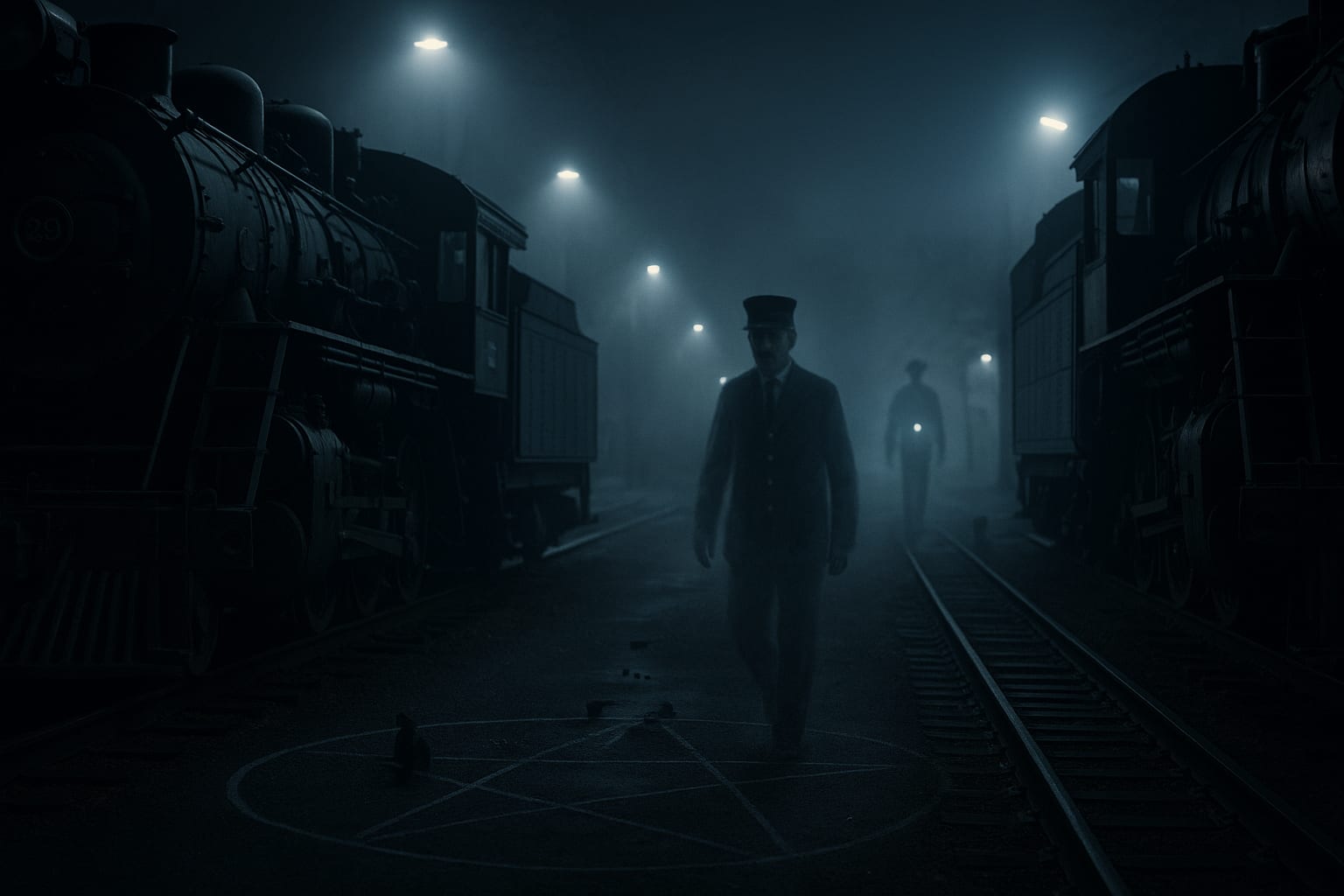
Chattanooga Choo Choo
The former Southern Railway terminal processed hundreds of thousands of travelers. Now a hotel, guests report encounters suggesting not all of those travelers completed their journeys.
Read More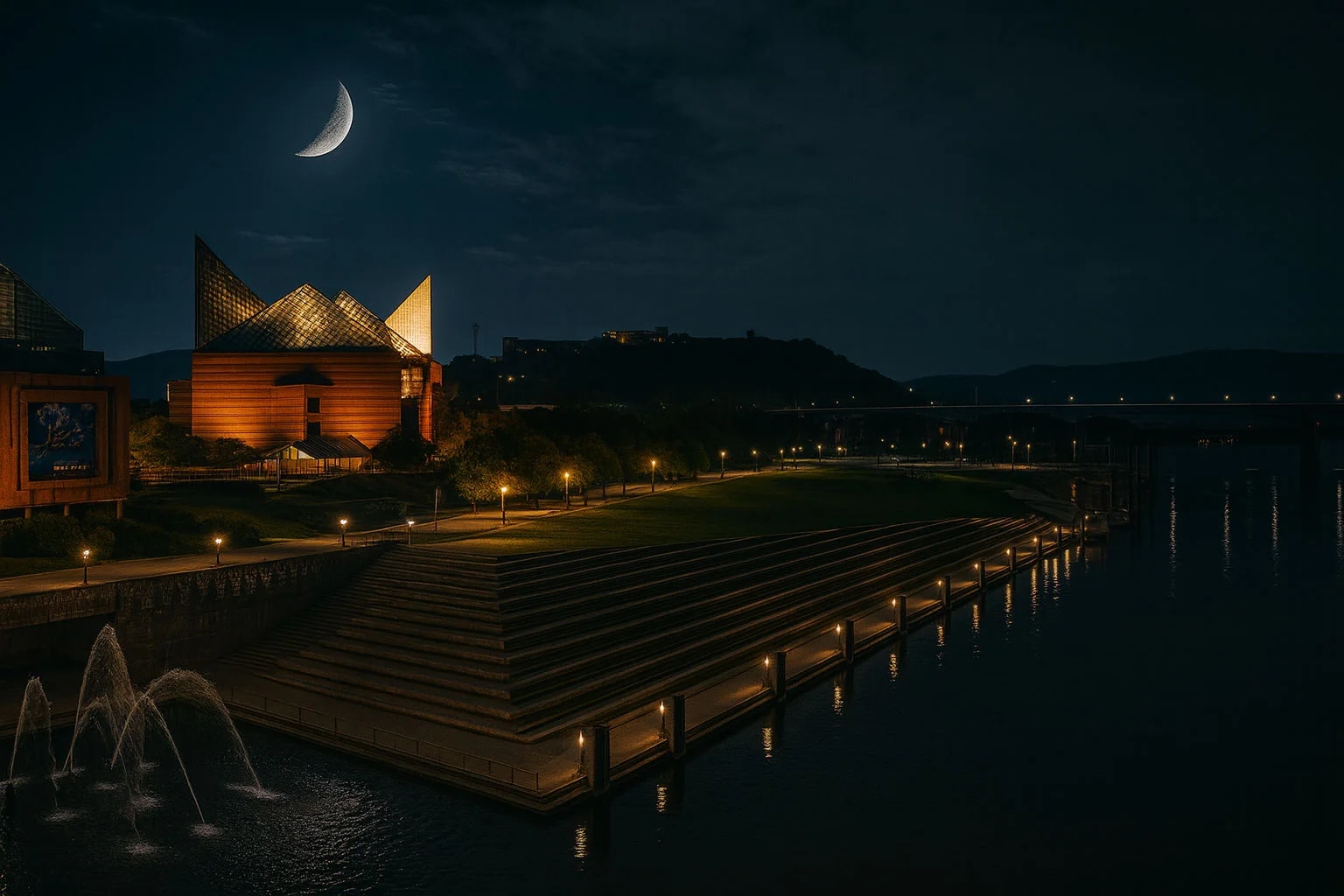
Ross's Landing
A Cherokee trading post turned Trail of Tears departure point. The grief of forced removal soaked into the ground at the river's edge and has never been washed away.
Read MoreThe Civil War and the Weight of Conflict
Chattanooga's strategic importance during the Civil War transformed the city from a railroad junction into a battlefield — and the dead that accumulated here between 1862 and 1865 created a concentration of unresolved trauma that has never fully dissipated.
The city changed hands multiple times during the war. Confederate forces occupied Chattanooga in the early years of the conflict, fortifying the ridges and river crossings that made the city defensible. When Union forces moved south in 1863, the battles that followed — Chickamauga, Lookout Mountain, Missionary Ridge — were among the bloodiest of the entire war. The Battle of Chickamauga alone produced over 34,000 casualties in two days. The wounded were carried back to Chattanooga by the thousands, overwhelming the city's hospitals, churches, and private homes. The dead were buried in hastily dug graves, in mass trenches, in fields and yards and any patch of ground that could accommodate a body.
The Union occupation that followed the battles turned Chattanooga into a military supply depot — a logistics center that funneled men and material into the campaigns that would eventually end the war. The city was stripped of its civilian character. Buildings were requisitioned. Railroads were monopolized for military use. The population swelled with soldiers, laborers, refugees, and the camp followers who trailed every army. Disease spread through the overcrowded camps and hospitals, killing soldiers who had survived the fighting and civilians who had nowhere else to go.
The dead accumulated in layers. Battle dead. Disease dead. Civilians caught between the armies. Prisoners who died in captivity. The emotional weight of that accumulation — concentrated in a city small enough that the fighting, the hospitals, and the burial grounds were all within sight of each other — created conditions that paranormal researchers consider ideal for persistent haunting. The violence was sudden. The grief was overwhelming. The burials were incomplete. And the city that absorbed all of it has never fully processed what happened within its borders.
Ross's Landing and the Riverwalk along the Tennessee River occupy ground that saw some of the war's most intense activity — supply operations, troop movements, and the constant traffic of the wounded and the dead moving between the battlefields and the city. The riverfront today is a pleasant public space, landscaped and maintained for recreation. But the ground beneath the paths and the parks holds the residue of a period when this same riverfront was a staging area for war, and the people who walk it after dark sometimes encounter reminders that the war's business here was never fully concluded.
Ross's Landing
From Cherokee trading post to Trail of Tears departure point to Civil War staging ground — Ross's Landing has absorbed centuries of grief, displacement, and conflict at the river's edge.
Read More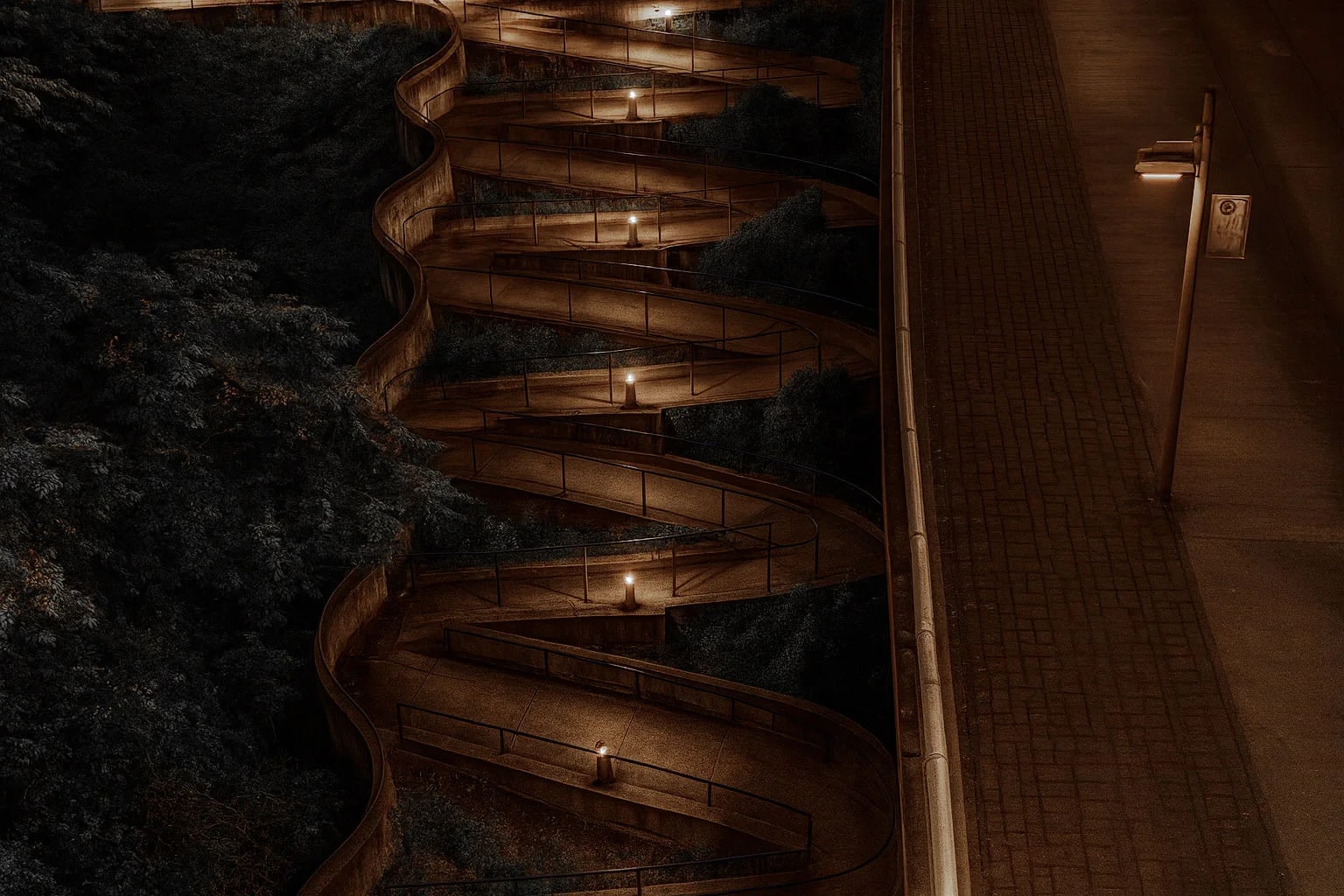
The Haunted Riverwalk
The pleasant waterfront path follows the Tennessee River through ground that once served as a Civil War supply corridor and staging area for the wounded and the dead.
Read MoreThe Railroad That Never Stopped Moving
The railroad did not just connect Chattanooga to the rest of the country. It defined the city. It shaped its economy, its geography, its culture, and — according to the ghost stories that have accumulated around the tracks and terminals — its spiritual character.
Railroads carry a particular kind of haunting energy. They are places of transition — of arrivals and departures, of journeys completed and journeys interrupted. Every railroad town in America has ghost stories associated with its tracks and stations, but Chattanooga's are amplified by the sheer volume of traffic that passed through the city during its peak as a railroad hub. Hundreds of trains per day. Millions of passengers per year. Workers who maintained the tracks, loaded the freight, and operated the switching yards in conditions that were dangerous enough to produce regular casualties. Accidents were common. Deaths were recorded in ledgers and forgotten within weeks.
The Chattanooga Choo Choo terminal was the center of this activity — the building where travelers arrived from across the country, where soldiers departed for war, where families said goodbye without knowing if they would say hello again. The emotional intensity of a major railroad terminal is difficult to overstate. Every departure carried the possibility of permanence. Every arrival carried the weight of relief or grief. The terminal absorbed these emotions for decades, and the conversion to a hotel and entertainment complex did not remove them. Guests report footsteps in empty corridors, the sound of announcements in a station that no longer operates, and the presence of figures dressed in clothing from decades past who appear briefly and vanish.
The Former Lee House, located near the railroad district, carries its own connection to the transient energy of the rail era. The building served various purposes over the decades, absorbing the comings and goings of a neighborhood defined by the railroad's rhythms. The paranormal activity reported there reflects the nature of a place shaped by constant movement — unexplained sounds, shifting atmospheres, and the sense that the building remembers more arrivals and departures than any record could document.
Chattanooga Choo Choo
The grand Southern Railway terminal absorbed decades of emotional arrivals and departures. Guests in the converted hotel report phantom announcements, footsteps in empty corridors, and figures from another era.
Read More
The Former Lee House
Near the old railroad district, this building absorbed the comings and goings of a neighborhood defined by the railroad's constant rhythm of arrival and departure.
Read MoreThe Riverfront and the Memory of the Water
The Tennessee River bends through Chattanooga in a dramatic curve that early settlers recognized immediately as significant — a natural boundary, a transportation corridor, and a source of both sustenance and danger that would shape the city's character for centuries.
Water holds stories differently than land. Rivers are not static — they move, they carry, they deposit. The Tennessee River has been carrying things through Chattanooga for millennia — sediment, debris, trade goods, and the remains of people and animals that entered the water upstream and were delivered downstream to places they never intended to go. The river was a highway before there were roads, a boundary before there were fences, and a graveyard before there were cemeteries. People drowned in the Tennessee River throughout the city's history — boatmen, swimmers, soldiers, and travelers who underestimated the current or overestimated their own abilities. Their bodies were sometimes recovered and sometimes not. The river kept what it took.
The Riverwalk that follows the Tennessee River through downtown Chattanooga is one of the city's most popular public spaces — a landscaped path that connects the riverfront attractions and provides views of the water and the surrounding mountains. During the day, it is busy with joggers, families, and tourists. At night, the character changes. The river goes dark. The sounds of the water — which are pleasant and ambient during the day — become more prominent, more insistent, more difficult to ignore. Visitors walking the Riverwalk after dark describe an atmosphere that shifts as the crowds thin — a heaviness near the water's edge, cold spots that appear without meteorological explanation, and the sense that the river is not merely flowing past but paying attention.
Ross's Landing, at the point where the city meets the river, concentrates this energy. The landing has served as a gathering point for centuries — for trade, for travel, for the forced departure of the Cherokee, for the military operations of the Civil War. Every significant event in Chattanooga's history has touched the riverfront, and the water has witnessed all of it. The paranormal activity reported at Ross's Landing and along the Riverwalk is consistent with locations where water and history intersect — apparitions near the water's edge, sounds that seem to rise from the river itself, and the persistent feeling that the boundary between past and present is thinner here than it should be.
The Haunted Riverwalk
By day, a pleasant waterfront path. By night, the Tennessee River's ancient energy rises — cold spots near the water, shifting atmospheres, and the sense that the river is paying attention.
Read MoreRoss's Landing
Where the city meets the river — a gathering point for trade, travel, forced removal, and war. Every significant event in Chattanooga's history has touched this ground.
Read MoreThe City Beneath the City
This is the detail that separates Chattanooga from other haunted cities in the South. Beneath the modern streets, an older version of the city still exists — buried, sealed, and largely forgotten, but physically present in the darkness below the sidewalks.
Underground Chattanooga is not a metaphor. It is a literal underground space — the remnants of the city's original street level, which was buried when Chattanooga raised its streets in the late 19th and early 20th centuries to address flooding and sanitation problems. The process was straightforward and unsentimental: new streets were built on top of old ones, and the ground floors of existing buildings became basements. Storefronts became cellars. Sidewalks became tunnels. The city that existed at the original elevation was simply sealed beneath the city that replaced it.
The psychological impact of this is significant. Chattanooga is a city with a buried past — not figuratively, but literally. The older version of the city is still down there, in the darkness beneath the modern streets, with its original doorways and windows and storefronts intact. The people who walked those streets, who entered those buildings, who conducted their business at the original street level — their world was not demolished. It was entombed. Covered over and forgotten, but preserved in a state of suspended animation that makes the past feel uncomfortably close to the surface.
The paranormal activity associated with Underground Chattanooga is among the most intense in the city. Workers and explorers who have accessed the underground spaces describe encounters that are consistent with a location where the past has been physically preserved rather than destroyed — voices echoing through passages that have been sealed for over a century, the sound of footsteps on floors that no living person is walking on, cold air that moves through the underground spaces with a purposefulness that ventilation cannot explain. The underground is not empty. It is occupied — by the residual energy of the people who used these spaces when they were the surface of the city, before the modern streets were built on top of them and the light was shut out.
The Former Lee House sits in an area where the relationship between the surface city and the buried city is particularly close. The building's foundations reach into the older layer of Chattanooga, and the paranormal activity reported there may be connected to this proximity — the feeling that the building is not fully separated from the era that was sealed beneath it, that the boundary between the current structure and whatever exists below it is permeable in ways that architecture alone cannot explain.
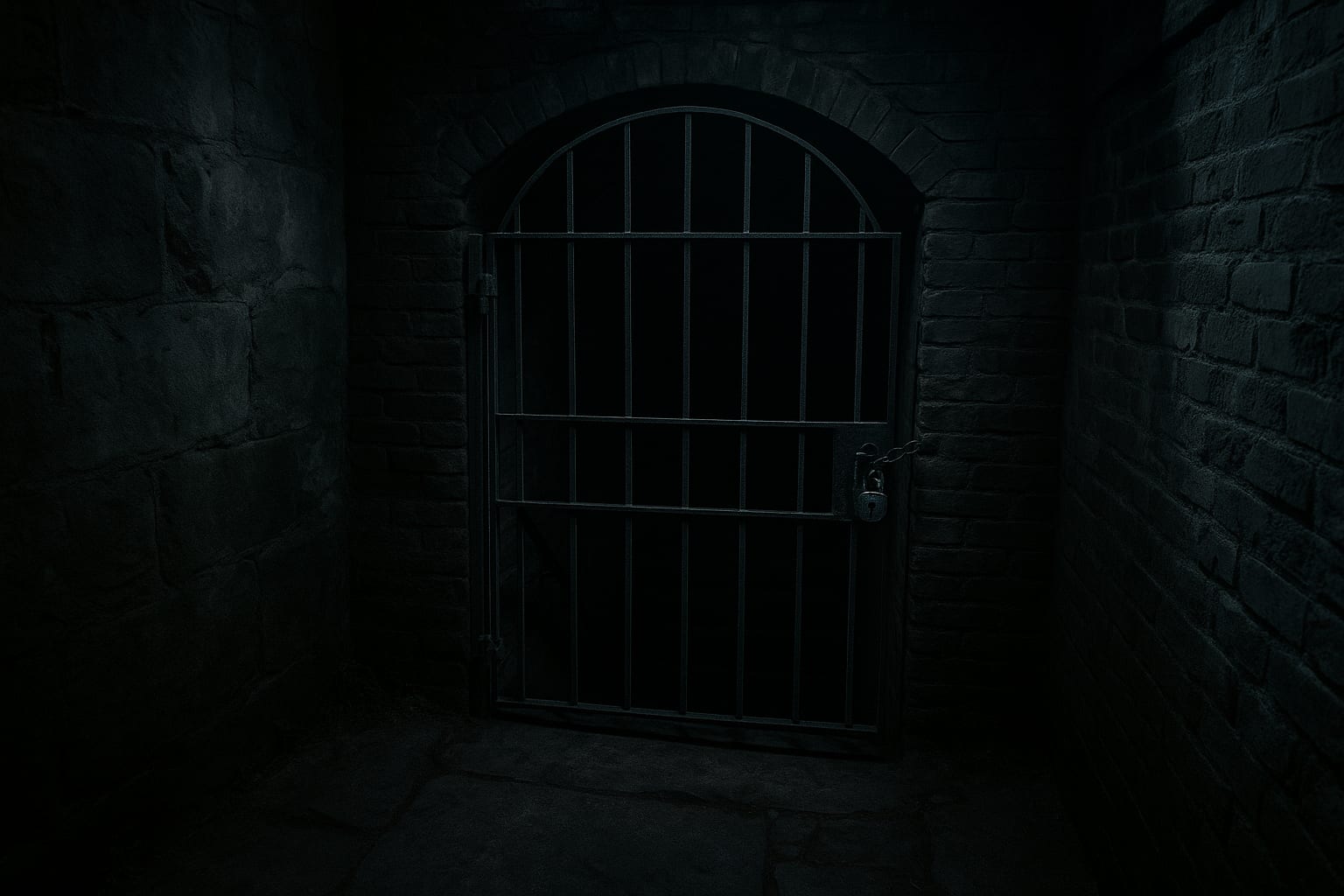
Underground Chattanooga
An older version of the city still exists beneath the modern streets — sealed, dark, and reportedly not empty. Voices, footsteps, and cold air move through passages that have been closed for over a century.
Read MoreThe Former Lee House
Its foundations reach into the older layer of Chattanooga, and the paranormal activity here may be connected to the buried city that was sealed beneath it.
Read MoreHotels, Public Spaces, and Lingering Guests
Some locations become haunted not through a single catastrophic event but through the slow accumulation of human presence over time. Hotels, taverns, and public gathering spaces absorb the energy of every person who passes through them — and in a city like Chattanooga, where the movement of people has been the defining characteristic for two centuries, that accumulation is substantial.
The Read House Hotel is Chattanooga's most storied accommodation — a hotel that has operated in various forms since the Civil War era, hosting soldiers, politicians, travelers, and the steady stream of strangers that the railroad delivered to the city's doorstep. The Read House has the kind of history that produces ghost stories organically: decades of continuous occupation, rooms that have held thousands of different sleepers, corridors that have absorbed the footsteps of guests who arrived with expectations and departed with experiences they could not explain. The paranormal activity reported at the Read House is persistent and well-documented — apparitions in specific rooms, unexplained sounds, electronic disturbances, and the feeling that certain floors of the hotel are occupied by presences that do not appear on the guest register.
The Hunter Museum of American Art occupies a mansion overlooking the Tennessee River — a building with deep roots in the city's social history and a reputation for unexplained occurrences that staff members have learned to accept as part of the job. The museum sits on the bluff above the river, a location where the energy of the water and the history of the city converge. Staff have reported phenomena ranging from the subtle — doors that close without cause, cold drafts in sealed rooms — to the more unsettling: the sense of being watched by someone who is not visible, the sound of footsteps in galleries that are empty and locked.
Cherry Street Tavern carries the accumulated energy of a neighborhood gathering place — a building that has served as a social anchor for the surrounding community across generations. The paranormal activity reported here is the kind that regulars have grown accustomed to: glasses that move without being touched, cold spots that appear and vanish in specific locations, the low murmur of conversation in areas that are demonstrably empty. These are the hauntings of familiarity — the residue of thousands of ordinary evenings spent in the same room by people who considered this place theirs.
Miller Plaza is a public space in the heart of downtown — a gathering point for events, performances, and the daily life of the city. Public plazas absorb the energy of crowds, and Miller Plaza has hosted enough of them to have accumulated a charge that some visitors notice after the events end and the crowds disperse. The plaza at night, empty and quiet, carries an atmosphere that feels heavier than an empty space should — as though the echoes of the gatherings that have taken place here have settled into the ground and are waiting for the next occasion to rise.
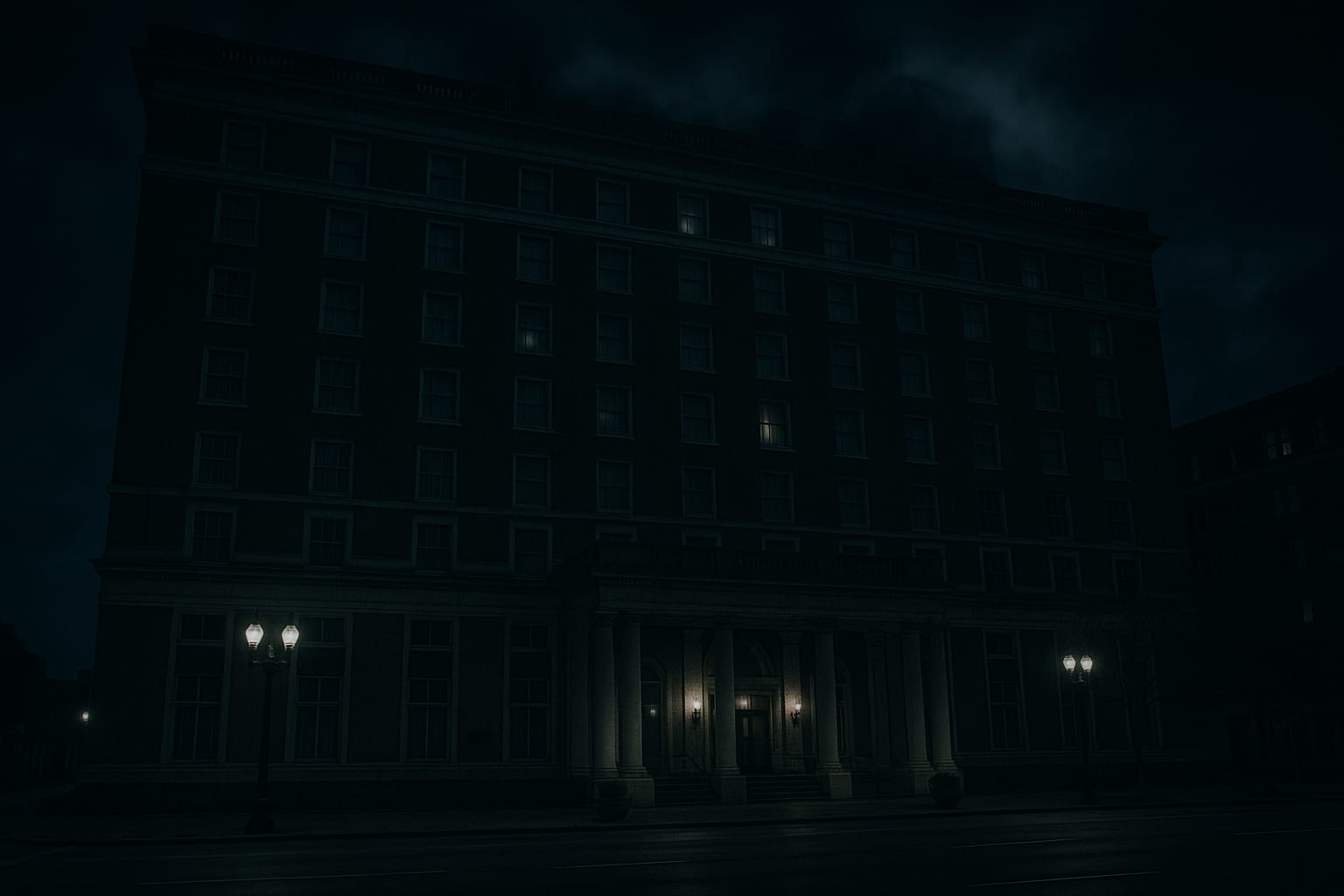
Read House Hotel
Chattanooga's most storied hotel, operating since the Civil War era. Apparitions in specific rooms, unexplained sounds, and presences that don't appear on the guest register.
Read More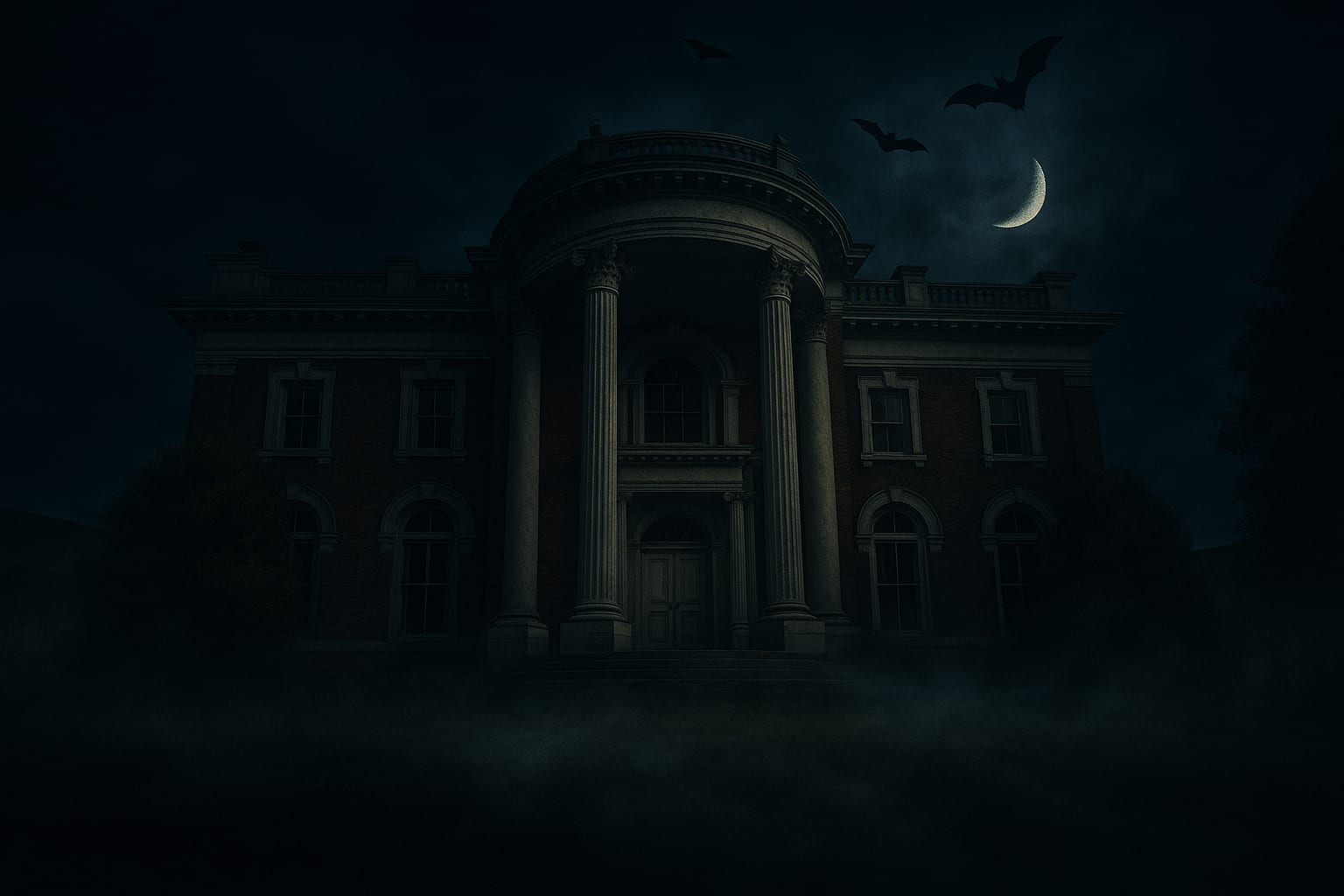
Hunter Museum of American Art
A mansion on the bluff above the Tennessee River where staff have learned to accept unexplained doors, phantom footsteps, and the persistent sense of being watched.
Read More
Cherry Street Tavern
A neighborhood gathering place where regulars have grown accustomed to glasses that move untouched, cold spots, and the murmur of phantom conversation.
Read More
Miller Plaza
A downtown gathering point that carries an atmosphere heavier than an empty space should — as though the echoes of crowds have settled into the ground.
Read MoreWhy Chattanooga Still Feels Haunted Today
Chattanooga is not haunted because of one event. It is haunted because of everything that has passed through it.
The river brought people to this valley for thousands of years before the city existed, and it carried some of them away in ways that were never resolved. The railroads amplified the pattern — concentrating the movement of people through a single point, creating a turnover of human presence that deposited emotional residue with every arrival and departure. The Civil War struck the city with a violence that overwhelmed its capacity to process the dead, leaving thousands of bodies in ground that was never properly consecrated and grief that was never properly addressed. And when the city rebuilt itself — raising its streets, burying its past, paving over the older version of itself — it sealed all of that history beneath the surface rather than releasing it.
The result is a city that is layered in ways that most visitors do not immediately perceive. The modern city sits on top of the buried city. The buried city sits on top of the war dead. The war dead share the ground with the remains of the railroad era, the river era, and the centuries of occupation that preceded the arrival of European settlers. Each layer carries its own emotional charge, and the proximity of those layers — compressed into the same ground, separated by nothing more than a few feet of earth and concrete — creates conditions where the past is never far from the surface.
Chattanooga feels haunted because it is haunted — by movement, by conflict, by the constant accumulation of lives that touched this place and left something behind. The ghost stories here are not imported. They grew in the soil of this valley, fed by river water and railroad smoke and the unresolved grief of a city that has buried its past beneath its present and cannot keep it from rising.
Experience Chattanooga's Haunted History
The history is in the ground. The stories are in the air. And the best way to experience both is to walk the streets where they happened — at night, with a guide who knows which buildings sit on buried foundations, which intersections were battlefields, and which corners of the city carry a chill that has nothing to do with the weather.
Ghost City Tours offers two ways to experience haunted Chattanooga:
The Ghosts of Chattanooga Tour is a family-friendly walking tour that covers the city's most famous haunted locations — from the riverfront to the railroad district to the edges of the underground city. The stories are grounded in real history, told by guides who know Chattanooga's past at a depth that no guidebook can match.
The Cursed Chattanooga Tour goes darker. This is the adults-only experience — the tour that explores the war dead, the buried infrastructure, the accidents, and the tragedies that the family tour only hints at. If you want the unvarnished truth about what lies beneath Chattanooga's streets, this is where you will find it.
Chattanooga has been accumulating ghost stories for two centuries. The dead are patient. But they have been waiting a long time, and they are not going anywhere.
Book your Ghost Tour in Chattanooga and discover what the crossroads has been holding.
Frequently Asked Questions
Is Chattanooga haunted?
Yes. Chattanooga's haunted reputation is built on its history as a Civil War battleground, a major railroad junction, and a city that literally buried its older streets beneath the modern ones. The combination of violent conflict, constant movement of people, river-related deaths, and underground infrastructure has produced persistent paranormal activity across the city.
Why is Chattanooga considered haunted?
Chattanooga is haunted due to the convergence of multiple factors: its role as a crossroads for river and railroad travel, the devastating Civil War battles fought in and around the city, the Trail of Tears departures from Ross's Landing, and the buried underground city created when Chattanooga raised its streets in the late 19th century. Each layer of history added unresolved death and emotional trauma to the city's foundation.
What is Underground Chattanooga?
Underground Chattanooga refers to the remnants of the city's original street level, which was buried when Chattanooga raised its streets to address flooding and sanitation issues. The ground floors of existing buildings became basements, storefronts became cellars, and the original city was sealed beneath the new one. These underground spaces are associated with significant paranormal activity.
What ghost tours are available in Chattanooga?
Ghost City Tours offers two ghost tour experiences in Chattanooga: the Ghosts of Chattanooga Tour, a family-friendly walking tour covering the city's most famous haunted locations, and the Cursed Chattanooga Tour, an adults-only experience exploring the darker history beneath the city's streets.
What are the most haunted places in Chattanooga?
The most frequently cited haunted locations include the Read House Hotel, the Chattanooga Choo Choo, Ross's Landing, Underground Chattanooga, the Riverwalk along the Tennessee River, and the Hunter Museum of American Art. Each location carries its own distinct type of haunting, from Civil War residual energy to railroad-era apparitions.