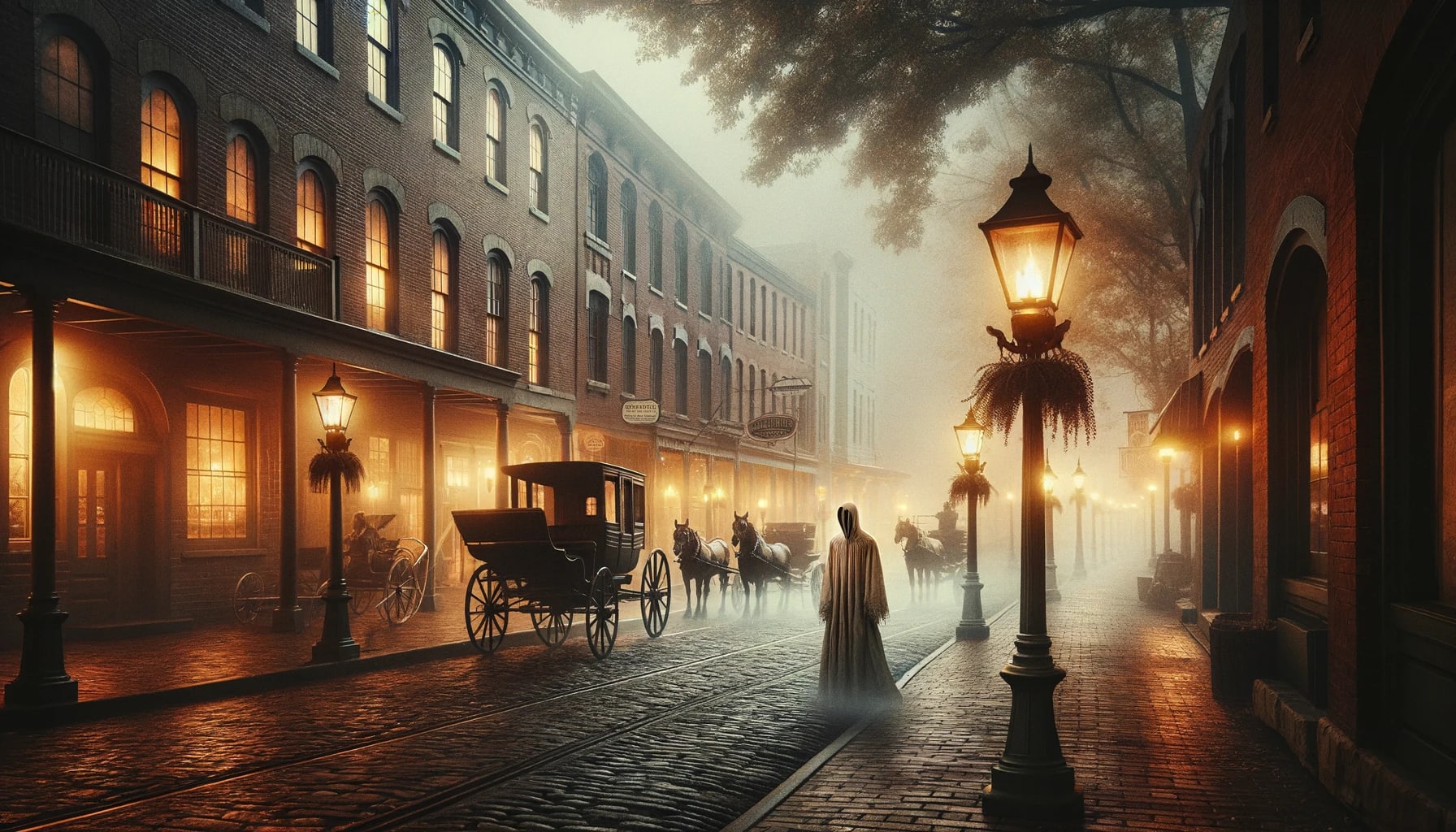
Why Chattanooga Mattered in the Civil War
Chattanooga's strategic importance was geographic and absolute. The city controlled the intersection of the Tennessee River and the major north-south railroad lines that connected the Confederate heartland to the eastern seaboard. Whoever held Chattanooga controlled the gateway to the Deep South. Lose Chattanooga, and the Confederacy's interior — Georgia, Alabama, Mississippi — lay open to invasion.
Both sides understood this. The Union army spent the first two years of the war maneuvering toward Chattanooga. The Confederate army spent those same two years defending it. The city changed hands, was besieged, was liberated, and was transformed into a military supply depot that funneled the resources of the North into the campaigns that would eventually end the war. Every major strategic decision in the Western Theater between 1862 and 1864 was shaped by the question of who controlled Chattanooga.
The city's position in the valley — surrounded by ridges and mountains that provided natural defensive positions — made it both a prize and a trap. The army that held the high ground controlled the valley. The army in the valley was vulnerable, exposed, and dependent on supply lines that could be severed by an enemy positioned above them. This geographic reality turned the Chattanooga Campaign into a series of battles fought for elevation — for the ridges and mountains that overlooked the city and determined whether it would be a stronghold or a cage.
The Battles That Shaped Chattanooga
The Chattanooga Campaign of 1863 was not a single battle but a sequence of engagements, each with its own character, its own cost, and its own legacy of unresolved death.
Chickamauga came first — fought on September 19–20 in the dense woods south of the city. It was one of the bloodiest battles of the entire war, producing over 34,000 casualties in two days. The scale of the killing was staggering, and the chaos of the fighting — much of it at close range in forests so thick that soldiers could not see their enemies — left bodies scattered across miles of terrain that burial parties could not reach for days.
Lookout Mountain followed in November — the Battle Above the Clouds, fought on the fog-shrouded slopes of the mountain that overlooks Chattanooga from the southwest. The fog gave the battle its name and its character: soldiers fighting in conditions of near-zero visibility, firing at sounds, advancing into terrain they could not see. The environment shaped the battle as much as the commanders did.
Missionary Ridge was the climax — a spontaneous Union assault on the fortified ridge east of the city that broke the Confederate siege in less than an hour. The charge was unordered, unexpected, and devastating. Thousands of soldiers ran uphill into fortified positions because they decided, collectively and without command authority, that they were going to take the ridge. They did. The cost was measured in bodies left on the slope.
Three battles. Three different environments. Three different kinds of violence. And a combined casualty count exceeding 50,000 — dead, wounded, captured, and missing — concentrated in the fields, forests, and ridges within a twenty-mile radius of a city whose population before the war had been less than 2,500.

Chickamauga Battlefield
Over 34,000 casualties in two days of fighting in dense woods. One of the bloodiest battles of the Civil War — and one of the most haunted battlefields in America.
Read More
Lookout Mountain
The Battle Above the Clouds — fought in fog on the slopes of the mountain overlooking Chattanooga. The fog still rolls in, and visitors still report encounters they cannot explain.
Read More
Missionary Ridge
A spontaneous Union charge broke the Confederate siege in less than an hour. The dead were left on the slope of the ridge — now a residential neighborhood above the city.
Read MoreChickamauga: The Scale of Loss
Chickamauga is where the human cost of the Chattanooga Campaign is most visible.
The battle was fought in terrain that made the killing intimate and chaotic. The woods south of Chattanooga were dense enough that visibility was measured in yards, not miles. Units stumbled into each other at close range. The fighting devolved into confused, point-blank combat where soldiers fired at sounds as often as at targets. Smoke from thousands of muskets settled into the tree canopy and refused to lift, creating a fog of gunpowder that merged with the natural shade of the forest floor.
The dead lay in the woods for days. Burial parties worked through terrain that was difficult to navigate even without the dead, and the shallow graves they dug were inadequate by any standard — hastily excavated, poorly marked, and vulnerable to the erosion and animal activity that would uncover remains in the weeks and months that followed. The National Cemetery at Chattanooga received many of the identified dead, but an unknown number of remains were never recovered. They are still in the ground at Chickamauga, beneath the fields and forest floor, in locations that no record identifies.
Visitors to Chickamauga report experiences that reflect the scale and the chaos of the battle. Figures seen at the edge of the woods. The sound of gunfire on quiet mornings. Cold spots that appear in the areas where the fighting was heaviest. And the Green Eyes — the most famous legend of the battlefield — glowing in the woods at night, watching from between the trees with an attention that visitors describe as deliberate and unnerving.
The battlefield has been preserved as a national military park, and its landscape has changed remarkably little since 1863. The woods are the same woods. The fields are the same fields. The ground holds what it has always held.
Lookout Mountain: War in the Clouds
If Chickamauga is defined by scale, Lookout Mountain is defined by perception.
The battle fought on November 24, 1863, took place in conditions that altered every aspect of the combat experience. Heavy fog settled over the upper slopes during the afternoon, reducing visibility to near zero and transforming the fighting into a series of isolated engagements where soldiers advanced into terrain they could not see, fired at enemies they could not identify, and moved through an environment that actively distorted sound, distance, and spatial orientation.
Observers in the valley below saw nothing of the fighting — only the muzzle flashes illuminating the clouds from within, like firelight behind a curtain. They called it the Battle Above the Clouds, and the name captured something essential about the experience: this was a battle that happened in a space between earth and sky, in conditions that made the fighting feel surreal to the soldiers involved and invisible to everyone else.
The fog on Lookout Mountain is not a historical artifact. It is a recurring atmospheric condition. The same cloud cover that shaped the battle still settles over the slopes today, and visitors who encounter it describe experiences that mirror the disorientation of the soldiers. Figures appear at the edge of visibility and dissolve. Sounds carry across distances that should not support them, then vanish abruptly. The feeling of being watched — of something aware in the fog that cannot be confirmed or denied — is reported with a consistency that the weather alone does not fully explain.
Few battlefields look the way Lookout Mountain did during the battle. Fewer still reproduce those conditions on a regular basis. The mountain does both — preserving the terrain where the fighting occurred and periodically recreating the atmospheric conditions that made the fighting so disorienting. The result is a location where the gap between 1863 and today does not just narrow. It closes.
Missionary Ridge: The Sudden Breakthrough
Missionary Ridge is the battle that no one planned.
On the afternoon of November 25, 1863, Union soldiers were ordered to capture the Confederate rifle pits at the base of the ridge. They took them. Then, without orders, they continued uphill — thousands of men charging into fortified positions on a ridge that military logic said could not be taken by frontal assault. The charge was spontaneous, uncoordinated, and fueled by months of siege and starvation. The soldiers climbed over the dead. They used terrain for cover. They fired uphill at defenders who could not believe what they were seeing.
The Confederate line broke in less than an hour. The siege of Chattanooga was over. The road to Atlanta was open. And the slope of Missionary Ridge was covered with the bodies of men who had been alive at the base forty-five minutes earlier.
The speed of the assault is what distinguishes Missionary Ridge from the other battlefields. Chickamauga lasted two days. Lookout Mountain unfolded over the course of an afternoon. Missionary Ridge erupted and ended so quickly that the emotional energy of the event was compressed into a single pulse — a burst of violence, fear, and momentum that was deposited on the slope in minutes rather than hours.
Missionary Ridge today is a residential neighborhood. Houses line the crest where Confederate fortifications once stood. The monuments and preserved reservations sit between private properties, and the reports from residents and visitors reflect the overlap between domestic life and buried history. Figures that appear and vanish in moments. Footsteps at the approximate time of day when the assault occurred. A feeling of abruptness — sudden, intense, and gone before it can be fully registered — that mirrors the character of the battle that produced it.
Why Civil War Battlefields Are Often Considered Haunted
Not every place where people died becomes haunted. Hospitals, for instance, are sites of constant death but are rarely considered paranormally active. The distinction lies in the character of the death — not its occurrence but its circumstances.
Civil War battlefields concentrate several factors that researchers and historians associate with persistent haunting. The deaths were violent, sudden, and occurred in conditions of extreme fear. The soldiers who died at Chickamauga, Lookout Mountain, and Missionary Ridge did not die peacefully. They died in terror — shot, bayoneted, crushed by artillery, or left wounded on the field to die slowly of exposure and blood loss. The emotional intensity of these deaths was enormous.
The burials were inadequate. Civil War armies did not have the resources, the time, or the inclination to provide proper burials for tens of thousands of dead. Bodies were buried where they fell, in shallow graves and mass trenches, without the ceremonies that cultures across the world have used to provide closure for the living and rest for the dead. The unburied and the improperly buried are, in nearly every cultural tradition, the most likely candidates for ghostly activity.
The conflict itself was unresolved in ways that extended beyond the battlefield. The Civil War was a war between neighbors — between families, between communities, between men who had been citizens of the same country and who killed each other over questions that, in many parts of the nation, were not fully settled by the war's conclusion. The dead did not die for a cause that was resolved. They died for causes that continued to generate conflict, grief, and division for generations.
And the landscapes where the fighting occurred have been preserved. Unlike the sites of urban battles, which are typically rebuilt and repurposed, the major Civil War battlefields around Chattanooga have been maintained in something close to their wartime condition. The woods are the same woods. The terrain has the same contours. The ground holds the same remains. The physical continuity of the landscape creates a bridge between past and present that is not available at locations where the original environment has been destroyed.
Reported Hauntings Across Chattanooga's Battlefields
The paranormal reports from Chattanooga's Civil War battlefields share common elements while differing in character — reflecting the distinct nature of each engagement.
Apparitions of soldiers are reported at all three sites. At Chickamauga, they are seen in the woods — partial figures at the tree line, shapes that resolve briefly into human form before dissolving into the forest. At Lookout Mountain, they appear in the fog — shapes at the limit of visibility that seem to move with purpose before the mist reclaims them. At Missionary Ridge, they are fleeting — brief sightings on the slope that appear and vanish with the same speed as the battle that produced them.
Sounds are reported at Chickamauga and Lookout Mountain more than at Missionary Ridge. Gunfire on quiet mornings. Drums. The cadence of marching feet. Voices that carry across distances with unnatural clarity before cutting off abruptly. These auditory experiences are consistent with what researchers describe as residual phenomena — sounds that are replaying rather than being actively produced, echoing across time rather than across space.
The most universally reported experience across all three sites is a feeling — a shift in atmosphere that visitors describe in similar terms regardless of which battlefield they are visiting. The air changes. The silence deepens. A weight settles on the chest and shoulders. The sense that the ground beneath your feet is not simply earth but a repository of something — of energy, of memory, of the concentrated suffering of thousands of men who died suddenly and without resolution — becomes difficult to dismiss as imagination.
Park staff across all three sites acknowledge these reports without endorsing or dismissing them. They tend toward careful language and measured observations: the parks have an atmosphere. Certain areas feel different at certain times. The experiences that visitors report are consistent, persistent, and not easily explained by weather, wildlife, or suggestion alone.
The Landscape Itself: Why These Places Feel Different
The Civil War battlefields around Chattanooga share a quality that is often overlooked in discussions of their haunted reputations: the environment has not changed as much as visitors expect.
Modern Americans are accustomed to landscapes that have been transformed. The sites of historical events are typically buried beneath development — paved over, built upon, and rendered unrecognizable by the passage of time. The battlefields around Chattanooga have not undergone this transformation. Chickamauga is a national military park where the woods and fields are maintained in a condition close to their wartime state. Lookout Mountain's slopes are still wooded, still steep, and still subject to the fog that shaped the battle. Even Missionary Ridge, which has been partially developed as a residential neighborhood, retains the terrain — the slope, the elevation, the sight lines — that defined the assault.
This preservation matters. Visitors who walk the battlefields are walking the same ground that soldiers walked. They are moving through the same woods, climbing the same slopes, standing on the same ridges. The physical continuity between past and present eliminates the barrier that development normally creates — the comfortable distance that tells the modern visitor that they are in a new place, a different place, a place that has moved on.
Chattanooga's battlefields have not moved on. The ground looks the way it looked. The terrain feels the way it felt. And the experiences that visitors report — the sightings, the sounds, the feelings — occur in an environment that is close enough to its wartime condition that the question of whether the battlefield is replaying its history or simply resembling it becomes genuinely difficult to answer.
How the Civil War Still Shapes Chattanooga Today
The war did not stay on the battlefields. It passed through Chattanooga — through its streets, its riverfront, its buildings, and its infrastructure — and the city that emerged from the war carried the conflict's weight forward into every decade that followed.
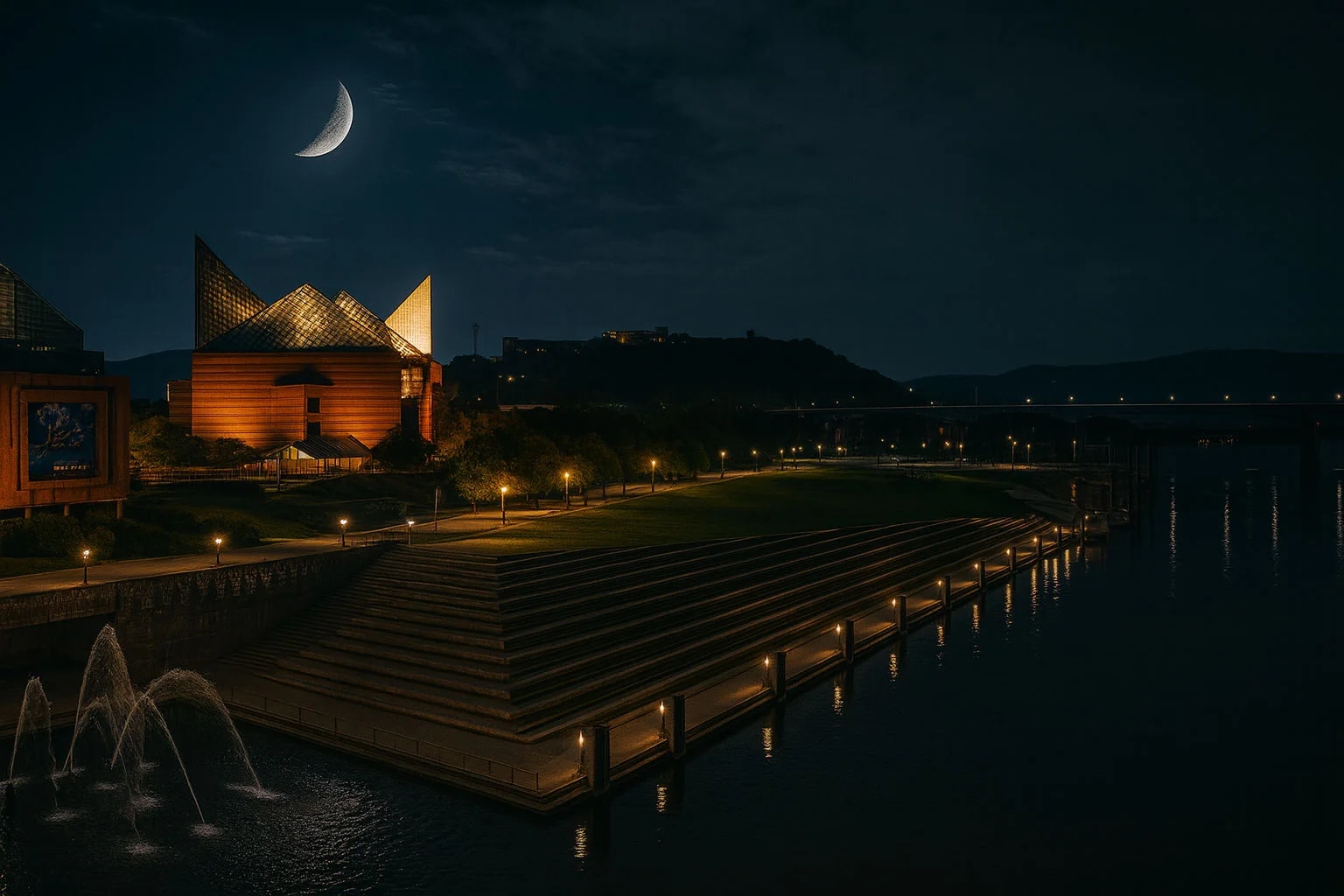
Ross's Landing at the riverfront served as a staging area for military operations during the campaign. The wounded were transported here from the battlefields. Supplies were moved through the landing by river and rail. The emotional charge of those operations — the constant traffic of suffering, the arrivals of the wounded and the departures of the dead — settled into the ground at the water's edge.
The Read House Hotel has operated since the war era, absorbing the comings and goings of soldiers, officers, and civilians throughout the conflict and its aftermath. The building's persistence — its continuous operation through the war and the decades that followed — has made it a repository for the accumulated energy of a city shaped by military occupation and violent upheaval.
Underground Chattanooga — the buried streets beneath the modern city — preserves a version of the city that existed during and after the war. The decision to raise the streets and build over the older infrastructure sealed the wartime city beneath the postwar city, creating a physical layering of history that mirrors the psychological layering of trauma. The war is not behind Chattanooga. It is beneath it.
The preservation of the battlefields, the persistence of wartime buildings, and the literal burial of the older city have created a Chattanooga where the Civil War is not a chapter in a history book. It is a physical presence — in the ground, in the buildings, in the buried streets — that shapes the city's character in ways that residents and visitors feel even when they cannot articulate exactly what they are feeling.
Ross's Landing
The riverfront staging area where the wounded arrived from the battlefields and where centuries of displacement and conflict have concentrated at the water's edge.
Read More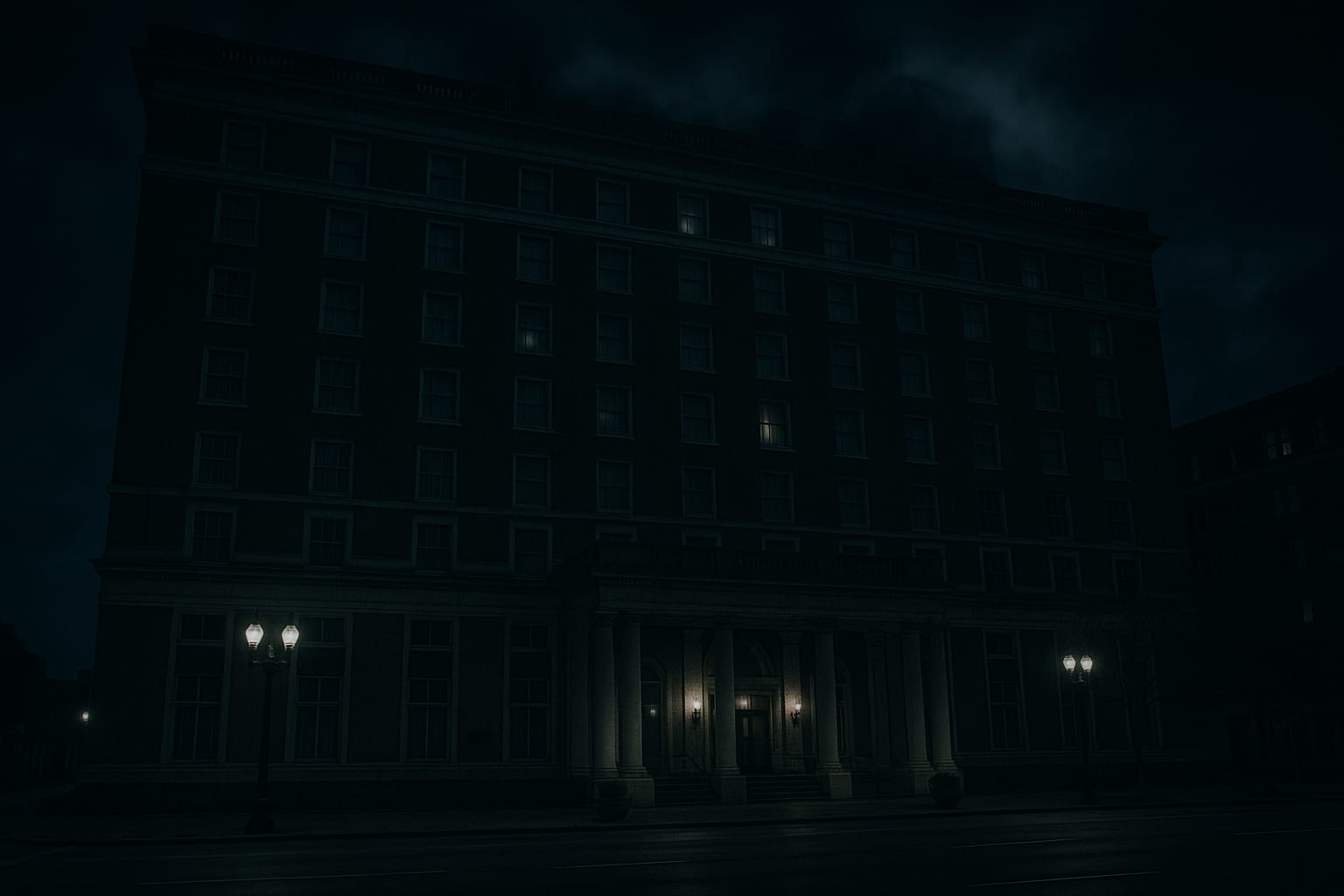
Read House Hotel
Operating since the Civil War era, Chattanooga's most storied hotel has absorbed generations of guests — and some who apparently never checked out.
Read More
Underground Chattanooga
The wartime city sealed beneath the modern streets — buried, dark, and carrying the residue of the conflict that shaped everything above it.
Read MoreExploring Chattanooga's Civil War History Today
The Civil War sites around Chattanooga are geographically concentrated in a way that makes them accessible as a single experience rather than isolated destinations.
Chickamauga Battlefield lies ten miles south of downtown, across the Georgia state line. Lookout Mountain rises six miles to the southwest, accessible by car or by the Incline Railway. Missionary Ridge runs along the eastern edge of the city, three miles from the center. The three battlefields, which together encompass the full arc of the Chattanooga Campaign, can be visited in a single day — though the experience is richer and more resonant when spread across multiple visits that allow time for each site to be absorbed on its own terms.
The urban sites — Ross's Landing, the Read House Hotel, Underground Chattanooga — are concentrated in downtown, within walking distance of each other. The transition from battlefield to city is the transition from the war's fighting to its aftermath — from the places where soldiers died to the places where the city processed their deaths, treated their wounds, and absorbed the trauma of a campaign that changed everything.
For the most atmospheric experience, visit the battlefields early in the morning or in the late afternoon. Chickamauga in the early light, when mist sits in the woods and the monuments emerge from the shadows. Lookout Mountain on a foggy morning, when the conditions that shaped the battle are recreated by the weather. Missionary Ridge at dusk, when the light turns warm on the western slope and the view of Chattanooga below takes on the depth that the midday sun flattens.
These are places that reward patience and quiet attention. The history is documented. The terrain is preserved. What the battlefields communicate beyond the historical record — the atmosphere, the feeling, the presence — requires the visitor to be still long enough to notice.
Explore More of Chattanooga's Haunted History
The Civil War is only one part of Chattanooga's story. Across the city, that same sense of history, movement, and layered environments continues to shape the places people experience today — from the railroad terminal that concentrated a century of arrivals and departures to the taverns and public spaces where the accumulated energy of daily life has produced its own patterns of reported activity.
The war shaped Chattanooga, but it did not define the city's full haunted character. The Tennessee River brought stories before the war and continued to carry them afterward. The railroads added a layer of transient energy that the war amplified but did not create. And the decision to bury the older city beneath the modern streets — sealing Underground Chattanooga in darkness — created a physical metaphor for a city that has never fully separated itself from its past.
To experience Chattanooga's full haunted history, start with the war and follow the story forward — from the battlefields to the riverfront to the streets beneath the streets. The Civil War left Chattanooga haunted. Everything that followed made sure it stayed that way.
Explore Chattanooga and discover what the crossroads has been holding.
Read House Hotel
Chattanooga's most storied hotel — operating since the Civil War, carrying the conflict's residue through every generation of guests that followed.
Read More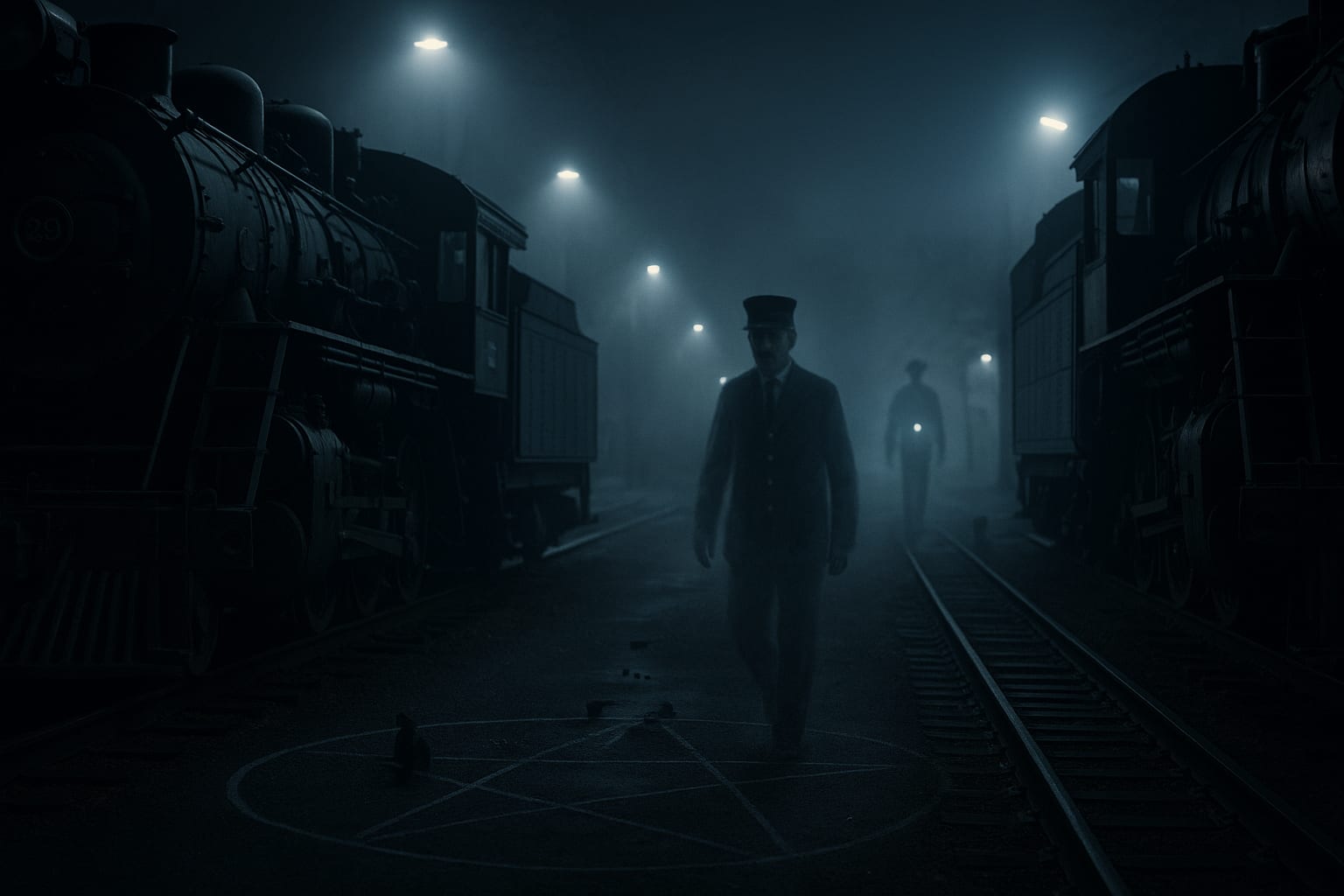
Chattanooga Choo Choo
The grand railroad terminal that connected postwar Chattanooga to the nation. Guests in the converted hotel report encounters with travelers from another era.
Read MoreUnderground Chattanooga
The wartime city sealed beneath the modern streets — buried, dark, and carrying the residue of every era Chattanooga has tried to build over.
Read MoreFrequently Asked Questions
Are there Civil War ghosts in Chattanooga?
Yes. The Chattanooga Campaign of 1863 produced over 50,000 combined casualties across the battles of Chickamauga, Lookout Mountain, and Missionary Ridge. Visitors to all three battlefield sites report experiences consistent with persistent haunting — apparitions of soldiers, sounds of battle, unexplained cold spots, and atmospheric shifts that cannot be attributed to weather or wildlife alone.
Which Chattanooga battlefield is the most haunted?
Chickamauga Battlefield is the most frequently cited, with over 34,000 casualties making it one of the bloodiest Civil War battles. However, each of the three battlefields has its own distinct character of reported activity — Chickamauga for scale, Lookout Mountain for atmosphere, and Missionary Ridge for intensity.
Can you visit the Civil War battlefields near Chattanooga?
Yes. Chickamauga and Chattanooga National Military Park preserves all three major battlefield sites. Chickamauga is ten miles south of downtown, Lookout Mountain is six miles southwest, and Missionary Ridge runs along the eastern edge of the city. All are accessible by car and can be visited in a single day.
Why are Civil War battlefields haunted?
Civil War battlefields concentrate several factors associated with persistent haunting: sudden violent death, extreme emotional intensity, inadequate burials, unresolved conflict, and the preservation of the original landscape. The battlefields around Chattanooga have been maintained in conditions close to their wartime state, creating physical continuity between past and present.
What is the Battle Above the Clouds?
The Battle Above the Clouds refers to the Battle of Lookout Mountain, fought on November 24, 1863. Heavy fog settled over the mountain during the fighting, making the battle invisible to observers in the valley below — they could only see muzzle flashes illuminating the clouds from within. The fog that gave the battle its name still occurs regularly on Lookout Mountain.