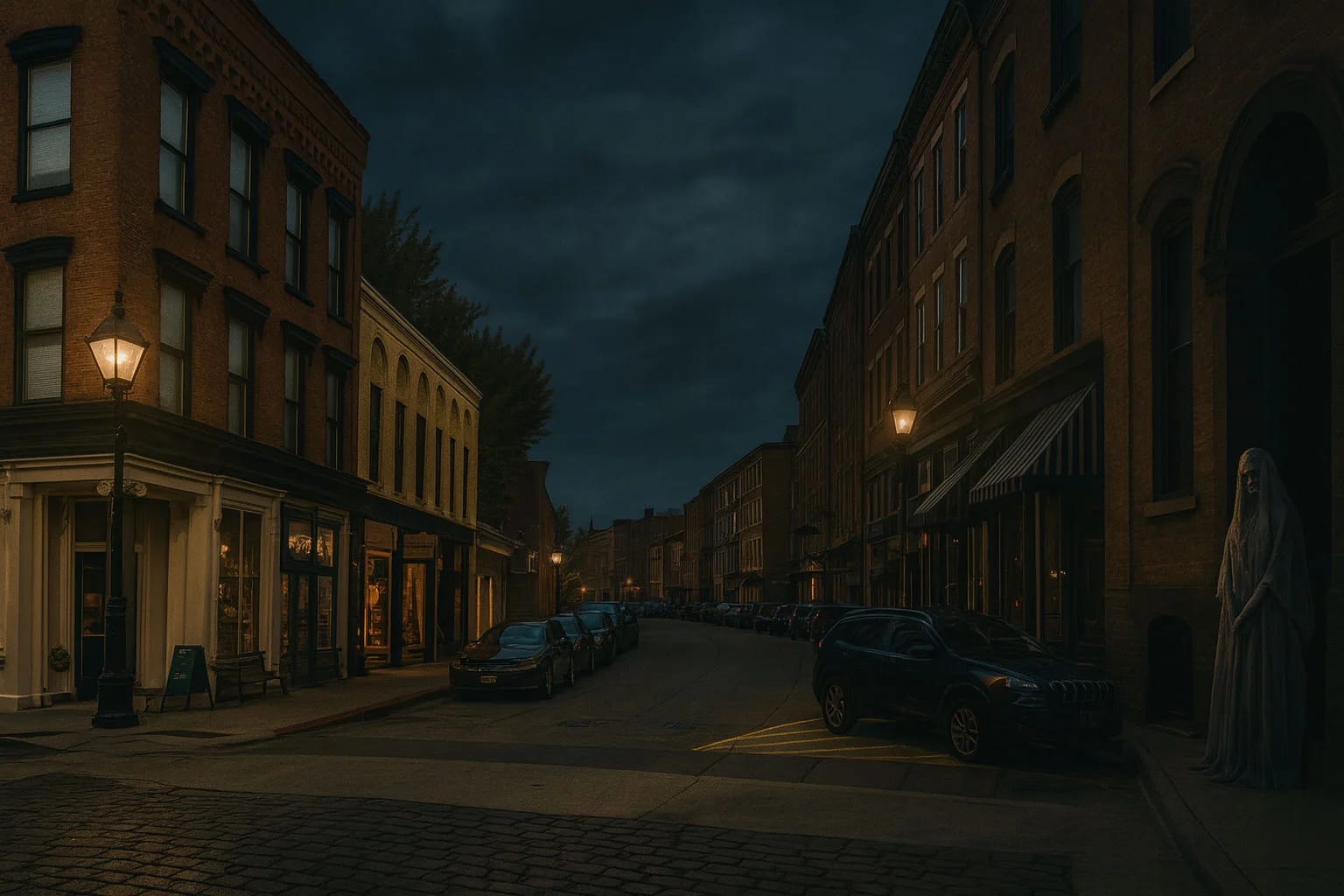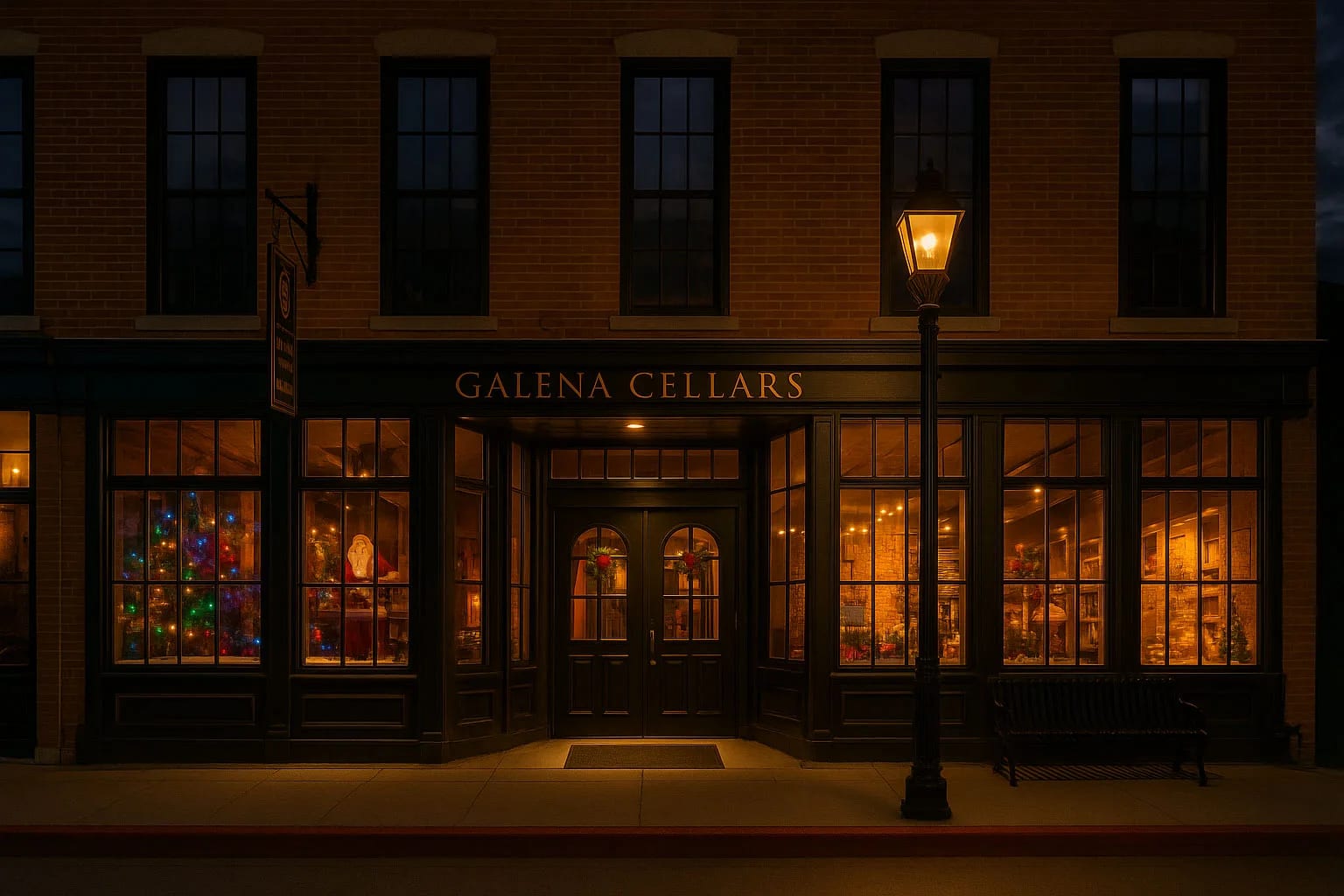
There's a particular kind of poetry in buildings that transform from places of death to places of celebration. Galena Cellars Wine Tasting Room embodies this transformation, its warm atmosphere and fine wines a stark contrast to the somber purpose the building once served.
The building dates to the 1840s, constructed during Galena's rise as the lead-mining capital of the Upper Mississippi Valley. In those days, the town was booming with new arrivals—miners seeking fortune, merchants supplying them, families putting down roots in a frontier community that seemed destined for greatness. But with rapid growth came death. Mining accidents claimed lives with grim regularity. Diseases swept through crowded conditions. The ordinary misfortunes of life—childbirth, old age, violence—accumulated in a town with thousands of residents.
Galena needed a mortuary, and this building answered that need. For years, the deceased of Galena passed through these doors, prepared for their final rest by undertakers who served the community in one of its most essential but least celebrated roles. How many bodies lay in these rooms? How many grieving families gathered here to say goodbye? The building absorbed decades of death and mourning before its purpose eventually changed.
Today, the building houses the Galena Cellars Wine Tasting Room, a warm and welcoming space where visitors can sample over forty varieties of wine produced by the Lawlor-White family. It's a place of pleasure and community, laughter and good conversation. But something from the building's past seems to remain—manifesting in ways that staff and visitors can't quite explain.
The History of Galena Cellars' Building
Understanding the hauntings at Galena Cellars requires understanding both the building's dark past and the unique character of Galena itself—a town where history is preserved, for better and worse.
Galena's First Mortuary
When this building was constructed in the 1840s, Galena was experiencing explosive growth. The discovery of rich lead deposits had transformed the sleepy settlement into one of the most important towns in the American West. At its peak, Galena was larger than Chicago, with a population approaching 15,000 and wealth that showed in its grand buildings and elegant homes.
But prosperity came with a price. Lead mining was dangerous work—cave-ins, equipment failures, and toxic exposure claimed miners with depressing regularity. The crowded conditions of a boomtown fostered disease outbreaks. Galena's position as a major port brought travelers who sometimes carried illness with them. And the frontier nature of the town meant violence was never far away.
All of this meant bodies—a steady stream of the dead who needed to be prepared for burial. The building that now houses Galena Cellars stepped into this need, becoming the town's first mortuary. The thick stone walls that now lend the wine tasting room its historic character originally served a more practical purpose: keeping the space cool for the preservation of bodies before burial.
The mortuary served Galena through some of its darkest times, including cholera outbreaks that killed dozens of residents in single episodes. The undertakers who worked here would have known the town's tragedies intimately—every mining accident, every epidemic, every violent death passed through these doors. The emotional weight of that work, the grief of countless families, and the presence of so many deceased all left their mark on the building.
The Building's Transformation
As Galena's fortunes declined in the late 19th century—bypassed by railroads, its lead mines depleted, its population shrinking—the need for such a substantial mortuary diminished. The building passed through various uses over the decades, its original purpose fading from memory as generations came and went.
The Lawlor-White family's Galena Cellars Vineyard & Winery has produced wines since the early 1970s, becoming one of Illinois' premier wineries with over fifty unique varietals. When they established their Main Street tasting room in this historic building, they created a space that honors the structure's age and character while serving an entirely new purpose.
The transformation from mortuary to wine bar is complete in terms of function but perhaps not in terms of spiritual residue. The same walls that once witnessed grief now witness celebration. The same spaces that held the dead now hold the living, gathered to share good wine and good company. But buildings remember, and some of Galena's oldest structures seem to remember more than others.
Galena's Haunted Reputation
Galena is widely considered the most haunted town in Illinois, with ghost stories documented in local newspapers since the 1800s. The town's unique combination of factors creates perfect conditions for hauntings: its location in a valley is said to trap spiritual energy; its history includes extensive tragedy from mining accidents, diseases, and floods; and its remarkably well-preserved architecture means spirits have familiar surroundings to inhabit.
Galena Cellars is counted among the town's 'truly haunted' establishments, alongside the DeSoto House Hotel and the Galena Brewing Company. These three locations form a kind of unholy trinity of Galena hauntings, each with documented paranormal activity that has been experienced by countless visitors and investigated by paranormal researchers.
The mortuary's history makes Galena Cellars a logical candidate for haunting. If any building in town would harbor restless spirits, it would be the place where the dead were prepared for burial—a liminal space between life and death, where the newly deceased spent their final hours above ground before being committed to the earth.
The Spirits of Galena Cellars
The paranormal activity at Galena Cellars centers on one remarkable phenomenon: a piano that plays itself. But other experiences reported by staff and visitors suggest a broader haunting with multiple manifestations.
The Self-Playing Piano
The most famous and frequently witnessed phenomenon at Galena Cellars is a piano that moves and plays on its own. The instrument sits in the tasting room, available for customers who wish to play, but it seems to have a musician of its own—one who performs when no living hands touch the keys.
Staff members have reported watching the piano keys depress on their own, producing music without any visible performer. The phenomenon occurs unpredictably—sometimes during business hours with customers present, sometimes when the space is empty except for staff. The music varies, but it's always recognizable as intentional playing rather than random notes.
Some witnesses describe feeling a presence near the piano when it plays, a sense of someone standing at the keyboard even though no one is visible. Others have reported cold spots near the instrument during episodes of self-playing. The phenomenon has been consistent enough that staff accept it as part of the building's character, one more quirk of working in a historic—and haunted—Galena building.
Who plays the phantom piano? Some speculate it might be a spirit from the building's mortuary days—perhaps a musician who passed through as a corpse and now finds expression through the instrument. Others suggest it could be someone connected to the building's later uses, returning to a familiar space to make music. The identity remains unknown, but the phenomenon persists.
Other Paranormal Activity
Beyond the self-playing piano, Galena Cellars experiences the kinds of paranormal phenomena common to haunted locations. Cold spots appear without explanation, sudden drops in temperature that don't correspond to any ventilation or environmental cause. Some visitors report feeling watched, particularly in certain areas of the building, as if unseen eyes are observing them.
Staff have reported objects moving on their own—glasses that slide across surfaces, items that relocate from where they were placed. These movements are subtle, easily dismissed individually, but they accumulate over time into a pattern that's difficult to explain naturally.
The atmosphere in the building shifts at times, becoming heavier or more charged in ways that sensitive visitors notice. Some describe walking through emotional 'pockets'—areas that feel sad or unsettled despite the general warmth of the tasting room. These areas may correspond to spaces that held particular significance during the building's mortuary years.
The Spirits and Spirits Tour
Galena Cellars participates in a unique tour experience called 'Spirits and Spirits,' which combines wine tasting with ghost stories. Visitors are guided through three of Galena's most haunted establishments—Galena Cellars, the DeSoto House Hotel, and the Galena Brewing Company—learning about the ghosts who haunt each location while sampling the spirits they serve.
The tour provides context for Galena Cellars' hauntings, connecting the building's paranormal activity to its history as a mortuary and its place in Galena's broader supernatural landscape. Guides share stories of the self-playing piano, discuss the documented phenomena, and allow visitors to experience the building's atmosphere firsthand.
These tours have produced their own share of experiences, with participants occasionally witnessing phenomena during their visits. The piano has been known to play during tours, as if the resident spirit appreciates an audience. Cold spots appear with uncanny timing. And more than one tour group has left Galena Cellars convinced that the stories they heard were more than just entertainment.
Experiencing Galena Cellars Today
Galena Cellars Wine Tasting Room welcomes visitors to sample wines from one of Illinois' oldest and most respected wineries. The tasting room offers an extensive selection of the Lawlor-White family's wines, ranging from dry reds to sweet dessert wines, with knowledgeable staff to guide visitors through the offerings.
The historic building adds to the experience, its thick stone walls and period character creating an atmosphere that feels removed from the modern world. Visitors can sit at the bar, browse the gift shop, or simply relax in a space that has welcomed Galena's community for nearly two centuries—though for very different purposes at different times.
For those interested in the paranormal, keep an eye on the piano. The self-playing phenomenon is unpredictable, but visitors have witnessed it during ordinary tasting room visits. The staff are generally willing to discuss the building's haunted reputation and share their own experiences. Some visitors find that acknowledging the spirits—perhaps raising a glass in their honor—seems to increase the likelihood of experiencing something unusual.
Our Ghosts of Galena Tour explores Galena Cellars' transformation from mortuary to wine bar and the paranormal activity that suggests the building's past is never truly past. We discuss why former mortuaries are so often haunted, explore the unique conditions that make Galena one of Illinois' most supernaturally active towns, and share the documented experiences that have made Galena Cellars famous among paranormal enthusiasts.
Join our Ghosts of Galena Tour to discover Galena Cellars and the other haunted establishments that make this historic town so compelling to those who seek the supernatural.