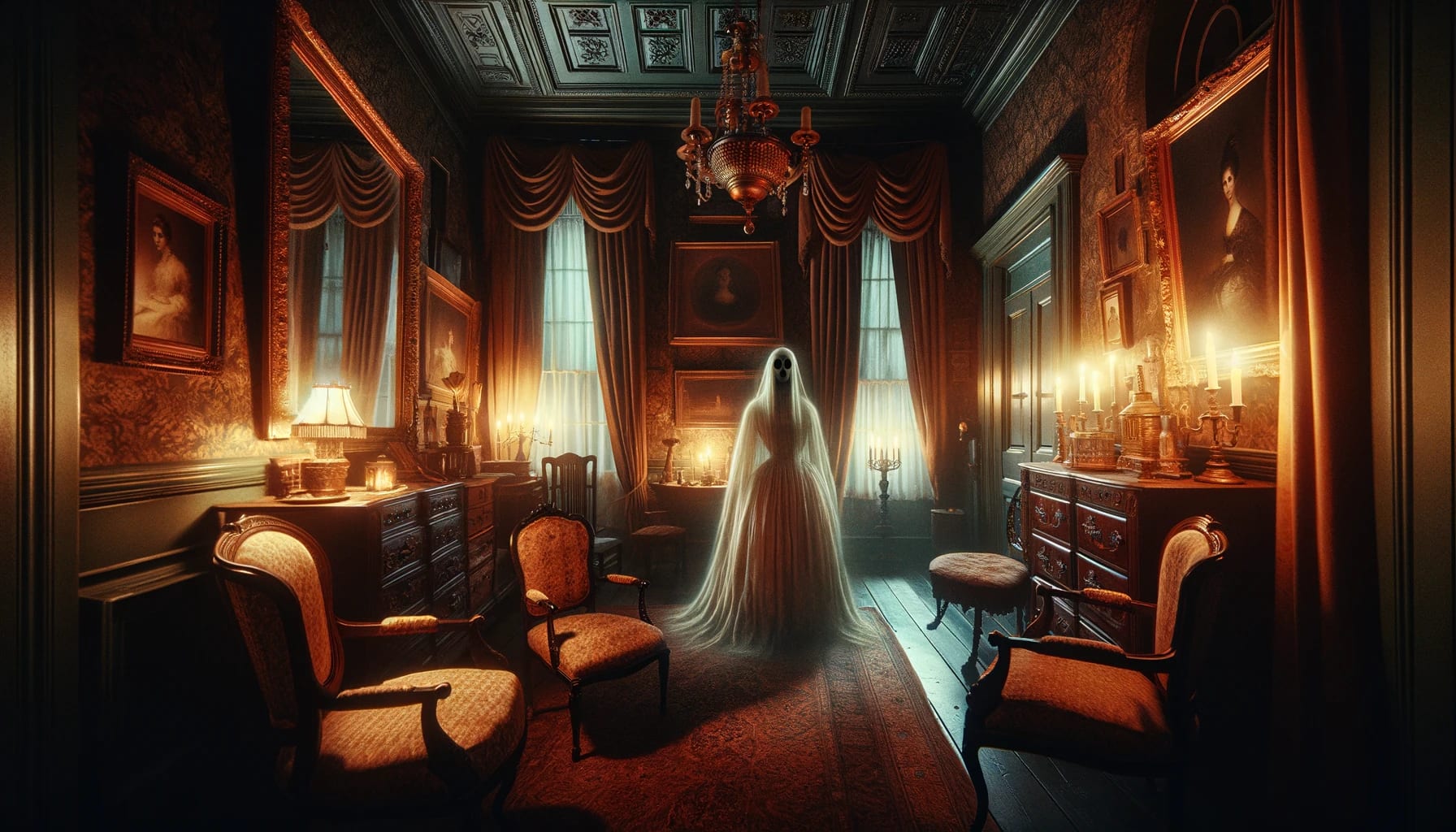
A City Built on Centuries of Conflict
Charleston was founded in 1670, making it one of the oldest cities in the United States. From its earliest days, the settlement was defined by conflict — with the land, with rival colonial powers, with the sea, and with the consequences of its own ambitions.
The original settlement, established on the west bank of the Ashley River, was relocated to its present peninsula location in 1680. The move placed the young city at the confluence of the Ashley and Cooper Rivers, creating one of the finest natural harbors on the Atlantic coast. That harbor made Charleston wealthy. It also made the city a target.
For over three centuries, Charleston has absorbed the full weight of American history. British colonial rivalries, wars with Native American nations, the transatlantic slave trade, the American Revolution, the Civil War, devastating fires, catastrophic earthquakes, and epidemic disease have all left their marks on this city. Each generation built on top of what the previous one lost, and the result is a place where the past is not hidden beneath the surface — it is the surface.
Charleston's ghost stories are not the product of overactive imaginations. They are the byproduct of a city that has been through more sustained trauma than most American cities combined. The buildings still stand. The graveyards are still full. And the spirits, according to those who have encountered them, have never left.
Many of these chilling stories come from locations throughout the historic district. To explore the full list of the city's most infamous hauntings, see our guide to Haunted Charleston Locations.
This article explores why Charleston became so haunted — not just where. The answer lies in a combination of historical forces that converged on this one small peninsula over more than 350 years: war, disease, piracy, religious burial practices, and a culture of ghost lore that stretches back to the city's founding.
Ghost City Tours guides spend significant time researching Charleston's past, separating folklore from documented events, because the real history is often more disturbing than the legends. When a guide stops in front of a building and tells you what happened there, they are not reciting a script. They are sharing the results of research into court records, newspaper archives, military documents, and personal diaries that reveal what life — and death — was really like in Charleston.
How Wars Helped Create Charleston's Haunted Reputation
Few American cities have been fought over as often or as violently as Charleston. The city's strategic importance as a port and its symbolic significance during both the Revolutionary War and the Civil War made it a target for occupation, bombardment, and siege.
During the American Revolution, Charleston was one of the most contested cities in the colonies. The British laid siege to the city in 1780, and after a prolonged bombardment, the American garrison surrendered in what remains the largest surrender of American troops until the Civil War. The fall of Charleston was a catastrophic blow to the patriot cause, and the British occupation that followed was brutal.
British forces established prison camps in and around Charleston where captured American soldiers were held in conditions that defied humanity. The prison ships anchored in Charleston Harbor became floating death chambers, where disease, starvation, and exposure killed prisoners at staggering rates. Men who survived the battles could not survive the captivity. Their bodies were dumped overboard or buried in shallow graves along the waterfront — graves that were later built over as the city expanded.
The Exchange and Provost Dungeon served as one of the most notorious holding facilities during the Revolutionary War. Patriots were imprisoned in the dark, airless basement of the Exchange Building, where they suffered from disease, malnutrition, and the psychological torment of not knowing whether they would be executed or released. The dungeon has been a focal point of paranormal investigations for decades, and visitors today report hearing disembodied voices, feeling sudden drops in temperature, and experiencing an overwhelming sense of dread in the underground chambers.
The Civil War brought a different kind of destruction to Charleston. As the city where the first shots of the war were fired at Fort Sumter in April 1861, Charleston became a symbol of Confederate defiance — and a primary target for Union forces. The bombardment of Charleston lasted for 587 days, one of the longest sieges in American military history. Shells rained down on the city, destroying homes, churches, and businesses. Civilians who could not flee lived in constant terror.
The military hospitals that operated in Charleston during the Civil War were scenes of extraordinary suffering. Wounded soldiers underwent amputations without reliable anesthesia. Infection killed more men than enemy fire. The dead were buried in overcrowded cemeteries or in makeshift graves wherever space could be found.
Battlefields, prisons, and military hospitals are among the most commonly reported sources of paranormal activity worldwide. Charleston has all three in abundance, layered on top of each other across centuries of conflict. Tour guests frequently ask about Civil War hauntings, making this one of the most common topics guides discuss on Charleston ghost tours.
Charleston's Most Infamous Prison
No discussion of Charleston's haunted reputation is complete without the Old City Jail. Built in 1802 on Magazine Street, the jail operated for over 150 years, housing some of the most dangerous and desperate individuals in South Carolina's history.
The Old City Jail held pirates, murderers, Civil War prisoners of war, and common criminals in conditions that were deliberately punishing. The cells were cramped, dark, and poorly ventilated. Disease spread rapidly through the overcrowded facility. Executions were carried out on the grounds, and the bodies of the executed were sometimes left on display as a warning to others.
Among the jail's most famous inmates was Lavinia Fisher, widely considered America's first female serial killer. Fisher and her husband John operated an inn north of Charleston where they allegedly poisoned and robbed travelers. Both were convicted and hanged in 1820, and Lavinia's defiant final words from the gallows — legend says she cursed the crowd before jumping to her death — have become one of Charleston's most enduring ghost stories.
The paranormal activity reported at the Old City Jail is extensive and well documented. Shadow figures move through the corridors. Cell doors open and close on their own. Investigators have recorded EVP sessions that capture voices speaking in accents and dialects from different historical periods. The upper floors, where the most violent prisoners were kept, produce the most intense activity — feelings of being watched, touched, or physically pushed by unseen forces.
Tour guides frequently share documented prisoner stories during tours, drawing on court records and newspaper accounts to connect the hauntings to specific individuals who suffered and died within the jail's walls. The history is not vague or generic. It is specific, personal, and deeply unsettling.

Fires, Death, and One of Charleston's Most Famous Ghost Stories
Fire has shaped Charleston as profoundly as any war. The city's dense wooden construction and subtropical climate made it vulnerable to catastrophic blazes, and the fires that swept through Charleston over the centuries destroyed not just buildings but lives.
The Dock Street Theatre holds a special place in Charleston's haunted history. The original theater on this site, built in 1736 and considered the first building in America designed specifically for theatrical performances, was destroyed by a great fire in 1740 that consumed much of the city. The Planter's Hotel was later built on the same site, and the current Dock Street Theatre was reconstructed within the hotel's shell in the 1930s.
The ghost most associated with the theater is Nettie Dickerson, a woman whose story has become one of Charleston's most famous supernatural legends. According to the accounts that have been passed down through generations, Nettie was struck by lightning on the balcony of the Planter's Hotel — a death so sudden and violent that her spirit is said to have never left the building. Visitors and staff have reported seeing a woman in period clothing on the upper floors and balcony, moving through the theater as if searching for something she lost.
Fires historically generate ghost lore because of the sudden, traumatic nature of the deaths they cause. People trapped in burning buildings die in terror, and the structures that replace them inherit not just the foundations but, according to those who study the paranormal, the energy of what happened there. Charleston's fire history is long and devastating — the Great Fire of 1740, the fire of 1778 during the Revolutionary War, the Great Fire of 1838 that destroyed over 1,000 buildings, and countless smaller blazes — and each one added another layer to the city's haunted reputation.
Guests on tours often ask guides about the famous ghost sightings reported inside the theater, and the stories that guides share are grounded in the documented history of the building and the people who passed through it.

Why Charleston Has So Many Haunted Graveyards
Walk through Charleston's historic district and you will notice something that sets it apart from most American cities: the graveyards are everywhere. They are not on the outskirts of town or hidden behind walls. They sit in the middle of neighborhoods, tucked behind churches, wedged between homes and businesses, and woven into the daily life of the city in a way that makes death feel like a neighbor rather than a distant abstraction.
Charleston's church graveyards are among the oldest in the United States. The city's colonial origins as a center of religious diversity — Anglicans, Huguenots, Presbyterians, Baptists, and others all established congregations here in the 17th and 18th centuries — meant that each denomination maintained its own burial ground. As the city grew and epidemics struck, these small churchyard cemeteries became overcrowded, with bodies buried on top of bodies in plots never designed to hold so many dead.
The yellow fever epidemics that ravaged Charleston throughout the 18th and 19th centuries overwhelmed the city's ability to bury its dead properly. Emergency burials were conducted at all hours. Mass graves were dug when individual plots ran out. Some of the dead were buried in locations that were later forgotten as the city expanded, their resting places discovered only when construction disturbed the ground centuries later.
Colonial burial practices contributed to the eerie atmosphere of Charleston's graveyards. Bodies were buried shallow by modern standards, in wooden coffins that decayed quickly in the damp lowcountry soil. The proximity of the water table meant that coffins sometimes surfaced after heavy rains, a phenomenon that horrified residents and fueled ghost stories for generations.
Guides often explain the burial traditions that led to Charleston having so many historic cemeteries, helping guests understand why death was so visible and so present in the daily lives of Charleston's residents. In a city where you are never more than a block or two from a graveyard, the boundary between the living and the dead has always been thin.

Epidemics That Shaped Charleston's Ghost Lore
If war built the foundation of Charleston's haunted reputation, disease cemented it. Yellow fever, smallpox, malaria, and cholera swept through Charleston repeatedly over the course of two centuries, killing thousands and creating a culture of death that permeated every aspect of city life.
Yellow fever was the most devastating. The disease arrived on ships from the Caribbean and found a perfect breeding ground in Charleston's warm, humid climate and standing water. The mosquitoes that carried the virus thrived in the lowcountry, and no one in the 18th or 19th century understood what caused the disease or how to stop it.
The epidemic of 1706 was among the earliest recorded outbreaks. The epidemic of 1748 killed hundreds. The outbreak of 1854 was catastrophic, overwhelming the city's medical resources and burial capacity. Bodies accumulated faster than they could be buried. Quarantine measures failed because the disease was spread by mosquitoes, not by human contact, and the isolation of the sick only concentrated the suffering without slowing the spread.
The dead were buried wherever space could be found — in church graveyards, in private gardens, in hastily dug trenches on the outskirts of the city. Some of these emergency burial sites were forgotten within a generation, their locations lost until construction or erosion exposed the remains.
The psychological impact of the epidemics was as significant as the physical toll. Families watched helplessly as loved ones died in agony. Entire households were wiped out in a matter of days. The survivors lived with the knowledge that the disease would return — not if, but when — and that the next epidemic might take them.
Many of Charleston's most persistent ghost stories trace their origins to the epidemic years. The spirits of the yellow fever dead are said to wander the streets where they lived and the cemeteries where they were buried, their presence a reminder that the plagues that shaped this city never truly ended. Guests often ask about Charleston's "plague years" during tours, and the guides who tell these stories draw on the medical records, death certificates, and personal accounts that document the full horror of what Charleston endured.
Pirates, Smugglers, and Executions
Charleston's position as one of the most important ports in colonial America made it a magnet for pirates, privateers, and maritime criminals of every description. The city's relationship with piracy is not a quaint historical footnote — it is a blood-soaked chapter of Charleston's past that contributed directly to the city's haunted reputation.
In 1718, the infamous Blackbeard blockaded Charleston Harbor with a fleet of four ships, holding the city hostage and capturing several prominent citizens. The blockade terrorized the city for nearly a week before Blackbeard received a ransom of medical supplies and sailed away. The incident exposed Charleston's vulnerability to maritime attack and set the stage for a brutal crackdown on piracy that followed.
That crackdown was swift and public. Stede Bonnet, the so-called "Gentleman Pirate," was captured near Charleston and hanged along with his crew at White Point, the southern tip of the peninsula now known as the Battery. The executions were designed to be spectacles — warnings to other pirates that Charleston would not tolerate threats to its commerce. The bodies of the executed were displayed publicly, left to rot as a deterrent.
The maritime underworld of colonial Charleston extended beyond piracy into smuggling, press-ganging, and violence along the wharves. Sailors were drugged and kidnapped from taverns, waking up aboard ships bound for ports they had never heard of. Fights, stabbings, and murders were common in the waterfront establishments where the city's maritime economy intersected with its criminal element.
The ghosts of Charleston's pirate era are among the most colorful and most frequently reported in the city. The Exchange and Provost Dungeon, which held pirates among its many prisoners, remains one of the most active paranormal sites in Charleston. Many pirate legends are explored in detail during Charleston ghost tours, where guides connect the documented history of maritime crime to the specific locations where it occurred.

Ghost Stories in Charleston's Historic Buildings
Charleston's historic district contains one of the finest collections of colonial and antebellum architecture in the United States. These buildings — many of them over 200 years old — are not museum reproductions. They are the actual structures where generations of Charlestonians lived, worked, celebrated, and died. And many of them are haunted.
The connection between historic buildings and ghost stories is not accidental. Older buildings have absorbed more history, more emotion, and more tragedy than newer construction. The walls have witnessed births and deaths, celebrations and catastrophes, and according to those who study the paranormal, that accumulated energy can manifest in ways that defy conventional explanation.
The Pink House on Chalmers Street is one of the oldest buildings in Charleston, dating to approximately 1712. Originally built as a tavern, the Pink House has served many purposes over the centuries, and its long history has generated persistent reports of ghostly activity. Visitors and neighboring residents have described seeing figures in the windows after dark, hearing footsteps in empty rooms, and feeling the unmistakable presence of someone who is not there.
Poogan's Porch, one of Charleston's most beloved restaurants, occupies a Victorian house on Queen Street where the ghost of Zoe St. Amand — a former resident who died alone in the house — is regularly encountered by diners and staff. Zoe has been seen on the porch, in the dining rooms, and on the staircase, always dressed in period clothing and always vanishing before anyone can approach her. The restaurant's namesake ghost dog, Poogan, a stray who adopted the porch as his home, is also said to make occasional appearances.
The Battery Carriage House Inn sits at the southern tip of the peninsula, overlooking Charleston Harbor and the site where pirates were once executed. The inn's history stretches back to the antebellum era, and guests have reported encounters with a Confederate soldier who appears in the rooms and hallways, as well as a well-dressed gentleman from a different era who seems as surprised to see the living as they are to see him.
Guests often report strange feelings or unexplained experiences when visiting these places during tours — cold spots that appear without explanation, the sense of being watched, and occasionally, the fleeting glimpse of someone who should not be there.
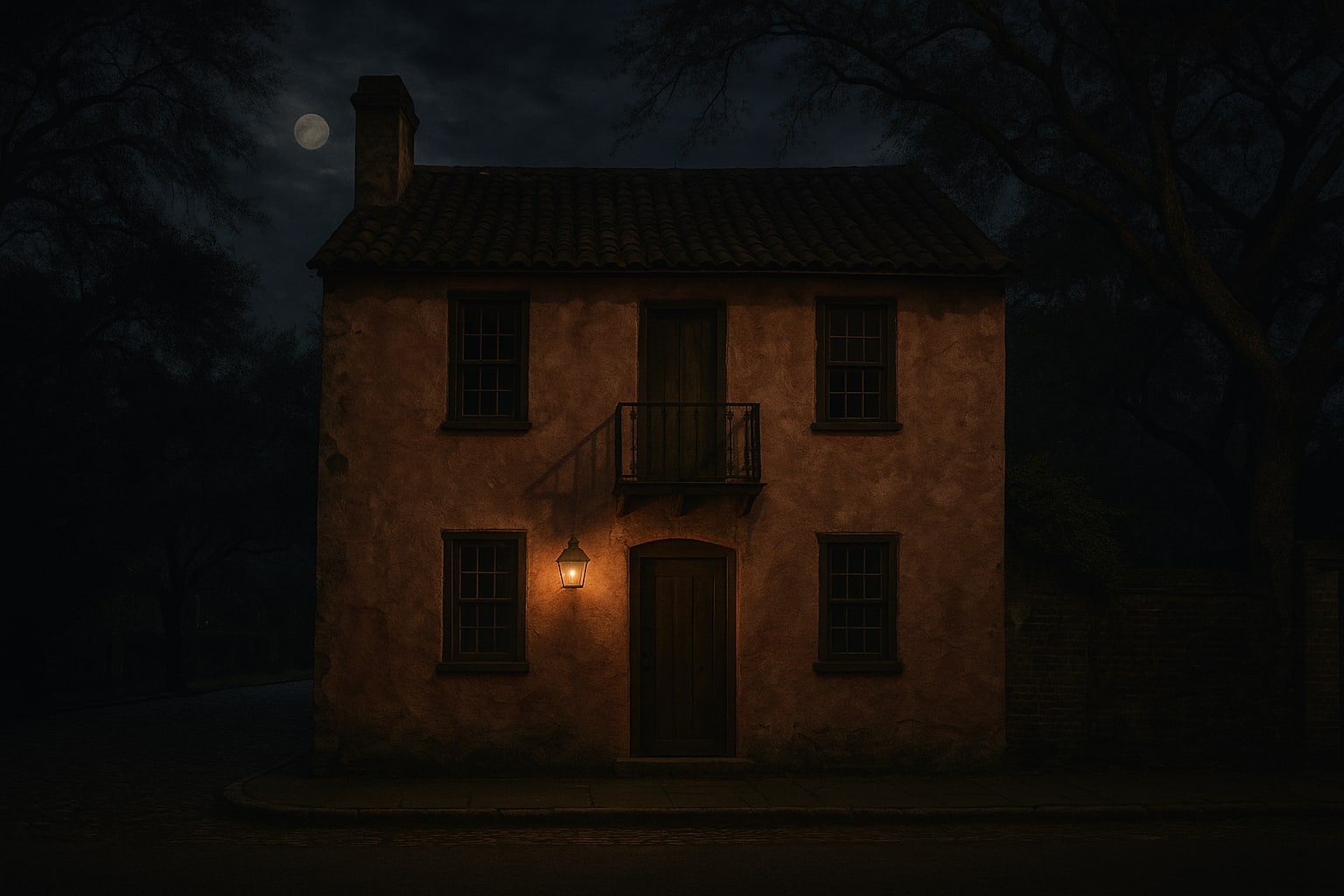
The Pink House
One of the oldest buildings in Charleston, the Pink House dates to 1712 and has generated persistent reports of ghostly figures in the windows and unexplained sounds.
Read More
Poogan's Porch
This beloved Charleston restaurant is home to the ghost of Zoe St. Amand, a former resident who is regularly seen by diners and staff in the Victorian house on Queen Street.
Read More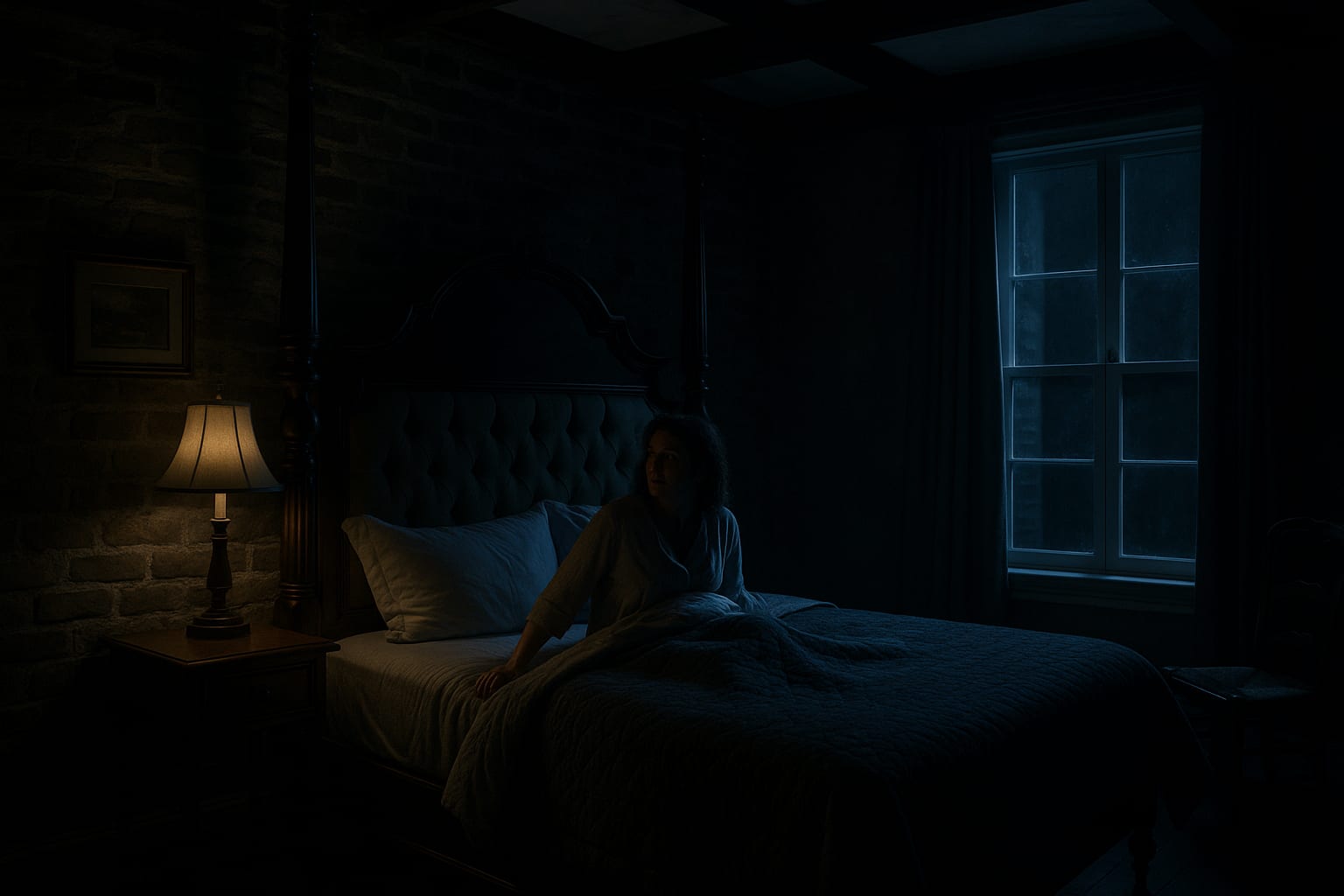
Battery Carriage House Inn
Overlooking Charleston Harbor and the site of historic pirate executions, the Battery Carriage House Inn is associated with sightings of a Confederate soldier and a well-dressed gentleman from another era.
Read MoreModern Paranormal Experiences in Charleston
Charleston's ghosts are not confined to history books and old legends. Paranormal experiences continue to be reported across the city with striking regularity, and modern technology has added new dimensions to the investigation of Charleston's supernatural activity.
EVP — electronic voice phenomena — recordings captured in Charleston's historic buildings have produced some of the most compelling audio evidence collected anywhere in the United States. Investigators using digital recorders in locations like the Old City Jail, the Exchange and Provost Dungeon, and various private residences have captured voices that respond to questions, call out names, and speak in accents consistent with historical periods predating modern recording technology.
Shadow figures are among the most commonly reported phenomena in Charleston. These dark, human-shaped silhouettes are seen moving through hallways, crossing doorways, and standing in corners of rooms where no one is present. They are reported by tourists, residents, hotel staff, and paranormal investigators alike, and they appear in locations across the historic district with no discernible pattern.
Unexplained sounds — footsteps in empty corridors, doors opening and closing on their own, voices speaking just below the threshold of comprehension — are so common in Charleston's older buildings that many residents and business owners have simply learned to live with them. The sounds are not threatening. They are persistent, unexplained, and deeply unnerving to those who encounter them for the first time.
Tour guides occasionally hear guest stories of unexplained experiences during tours — a sudden chill that passes through the group at a specific location, the feeling of being touched by unseen hands, or the sighting of a figure that appears and vanishes in seconds. These guest experiences are not solicited or staged. They happen spontaneously, and they happen often enough that guides have learned to pause and acknowledge them when they occur.
Ghost City Tours focuses on historical research first and paranormal interpretation second. The stories told on our tours are grounded in documented history, and the guides who tell them are careful to distinguish between what is known, what is believed, and what remains unexplained.
Experience Charleston's Haunted History on a Ghost Tour
Charleston's history reads like a catalog of the forces that create hauntings: centuries of war, epidemic disease, piracy, public executions, devastating fires, and the accumulated trauma of generation after generation living and dying on the same small peninsula. The buildings where these events occurred are still standing, still occupied, and still producing reports of paranormal activity that have not diminished with time.
This is what makes Charleston one of the most compelling destinations for ghost tours in the United States. The city does not need to embellish its history or invent its ghosts. The real history is more than enough.
Ghost City Tours guides research historical records, court documents, military reports, and personal accounts to build the stories they tell on tour. Every location visited on a Charleston ghost tour has a documented history of tragedy, and the guides know that history in detail — not just the broad outlines, but the specific people, specific events, and specific circumstances that connect each building to the supernatural experiences reported there.
Guests love Charleston tours because the city provides something that few other destinations can match: a historic atmosphere that has been preserved rather than reconstructed, real documented events that form the basis of every story, and the genuine possibility of encountering something that cannot be explained.
The gas lanterns that light Charleston's streets after dark are not decorative. They are functional remnants of a past that the city has chosen to preserve. Walking beneath those lanterns, past the iron gates and the churchyard cemeteries and the centuries-old homes where the living and the dead coexist, is an experience that changes the way you think about history, about place, and about what might be waiting in the shadows.
We encourage you to explore Charleston's haunted past for yourself. Book a ghost tour in Charleston and discover why this city's ghosts have never left.
Is Charleston Truly One of the Most Haunted Cities in America?
The evidence is difficult to dismiss. Over 350 years of documented history have produced a concentration of tragedy — war, disease, piracy, fire, earthquake, and human suffering of every kind — that few American cities can match. The buildings where these events occurred have been preserved with remarkable care, creating an environment where the past and present exist in uncomfortably close proximity.
Charleston's cemeteries are ancient, overcrowded, and woven into the fabric of daily life. The city's architecture retains the original structures where people lived, suffered, and died. The underground spaces — the dungeons, the tunnels, the sealed basements — hold histories that are still being uncovered. And the reports of paranormal activity, far from diminishing over time, continue to accumulate from tourists, residents, historians, and investigators who have no reason to fabricate what they have experienced.
Whether you believe in ghosts or not, Charleston's history makes it one of the most fascinating cities in America. The stories are real. The buildings are real. The suffering that occurred within them is documented beyond any reasonable doubt. And the experiences that people report — the voices, the figures, the cold spots, the feelings of being watched — are consistent enough and widespread enough to deserve serious consideration.
Charleston does not need to prove that it is haunted. Its history speaks for itself. What you choose to believe about the shadows in the corners and the whispers in the walls is a personal decision. But we invite you to walk these streets after dark, stand in the places where history was made, and decide for yourself whether Charleston's ghosts are real.
Frequently Asked Questions
Is Charleston considered one of the most haunted cities in America?
Yes. Charleston is widely regarded as one of the most haunted cities in the United States. Its reputation is based on over 350 years of documented tragedy, including Revolutionary War and Civil War battles, yellow fever epidemics, pirate executions, devastating fires, and earthquakes. The preservation of the city's historic buildings means that the structures where these events occurred are still standing, and paranormal activity continues to be reported in locations across the historic district.
What is the most haunted place in Charleston?
Several locations compete for the title. The Old City Jail, which housed pirates, murderers, and prisoners of war for over 150 years, is among the most frequently cited. The Exchange and Provost Dungeon, where Revolutionary War patriots were imprisoned underground, is another. The Dock Street Theatre, Poogan's Porch restaurant, and the Battery Carriage House Inn are also known for consistent and well-documented paranormal activity.
Why are there so many ghost stories in Charleston?
Charleston's ghost stories are the product of over three centuries of concentrated tragedy on a small peninsula. Wars, epidemics, piracy, public executions, fires, and earthquakes have all contributed to a history of mass death and suffering. The city's commitment to preserving its historic architecture means that the buildings where these tragedies occurred are still intact, and the proximity of the living to the dead — through churchyard cemeteries located throughout the city — keeps the past unusually close to the present.
Are Charleston ghost tours scary?
Charleston ghost tours are designed to be engaging, historically grounded, and atmospheric rather than purely frightening. Ghost City Tours focuses on real history and documented events, which means the stories are compelling and sometimes disturbing, but they are not staged to produce jump scares. The city's gas-lit streets, ancient cemeteries, and centuries-old buildings provide a naturally eerie atmosphere that enhances the experience without relying on gimmicks.
What time of year is best for ghost tours in Charleston?
Ghost tours in Charleston operate year-round, and each season offers a different experience. Fall is particularly popular because the cooler temperatures and earlier sunsets create an atmospheric setting. October draws visitors who want a Halloween-adjacent experience. Summer tours take advantage of longer twilight hours and warm evenings. Winter tours offer the most intimate experience, with smaller groups and a quieter city. The ghosts, according to guides who lead tours nightly, do not follow a seasonal schedule.
Are Charleston cemeteries haunted?
Many of Charleston's historic cemeteries are associated with paranormal activity. The churchyard cemeteries scattered throughout the historic district — including those at the Circular Congregational Church, St. Philip's Church, and the Unitarian Church — date back centuries and hold the remains of thousands of Charleston's earliest residents, including victims of yellow fever epidemics. Visitors and investigators have reported apparitions, unexplained sounds, and cold spots in these cemeteries for generations.
Can you visit haunted locations in Charleston?
Many of Charleston's most haunted locations are publicly accessible. Restaurants like Poogan's Porch, hotels like the Battery Carriage House Inn, and historic sites like the Exchange and Provost Dungeon welcome visitors. Ghost City Tours offers guided walking tours that visit multiple haunted locations in a single evening, providing historical context and documented ghost stories at each stop. Some locations, like the Old City Jail, offer specialized tours focused on their paranormal history.
What ghost tours does Ghost City Tours offer in Charleston?
Ghost City Tours offers several ghost tour experiences in Charleston, including the Ghosts and Liberty Tour for a comprehensive look at Charleston's haunted and Revolutionary War history, the Death and Depravity Tour for adults-only content exploring Charleston's darkest chapters, and the Haunted Pub Crawl for a 21+ experience combining Charleston's haunted history with visits to historic bars and taverns. Each tour covers different locations and different aspects of Charleston's supernatural heritage.