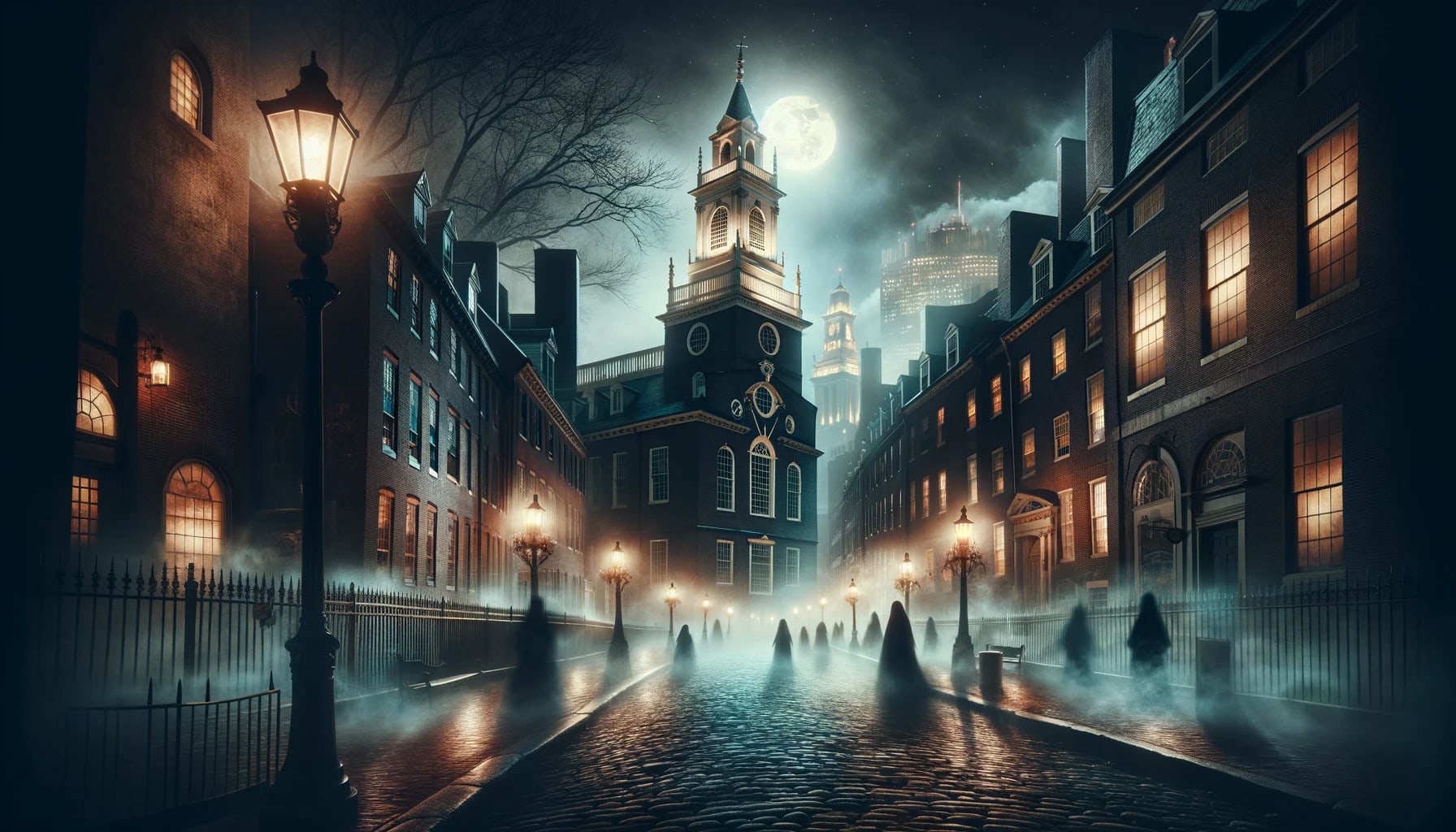
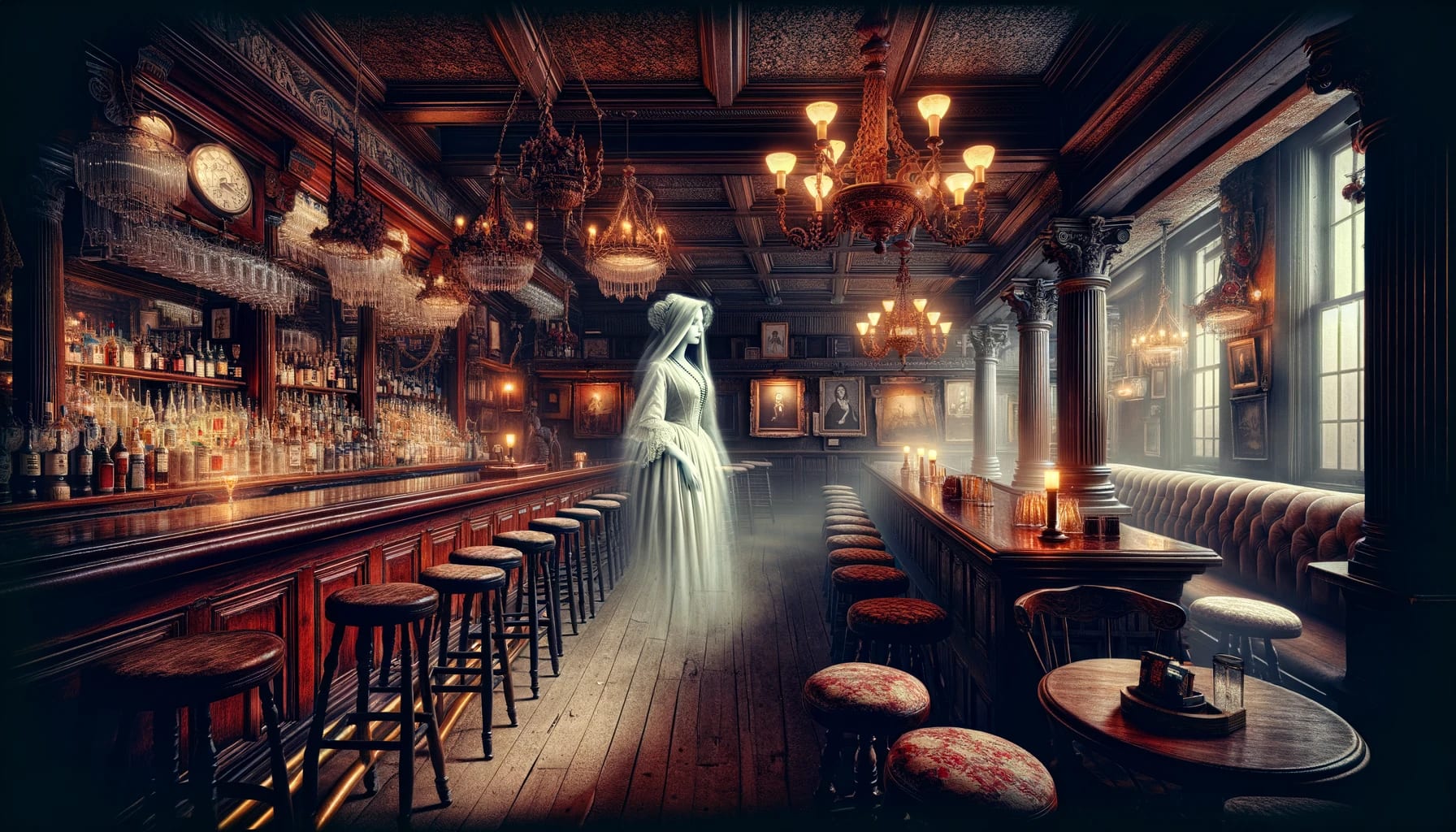
The Most Infamous Haunting in Boston
Start where the ghosts are strongest. Start at the Omni Parker House.
A guest checks into a room on the tenth floor. The room is clean, quiet, unremarkable. They unpack, settle in, turn off the lights. Sometime after two in the morning, they wake — not from a sound, but from a feeling. The unmistakable certainty that someone is standing beside the bed. Not moving. Not speaking. Just standing there, close enough to touch, in a room that is locked from the inside.
They reach for the lamp. The light comes on. The room is empty.
This is the Omni Parker House. Opened in 1855, it is the longest continuously operating hotel in the United States, and it has been collecting ghost stories for as long as it has been collecting guests. Charles Dickens lived here for two years. John F. Kennedy proposed to Jackie in the restaurant downstairs. Ho Chi Minh worked in the kitchen. Malcolm X bused tables. The hotel invented the Boston cream pie and the Parker House roll. It is one of the most historically significant buildings in Boston — and one of the most actively haunted.
The ghost of Harvey Parker, the hotel's founder, is the most frequently reported presence. Parker built this hotel from nothing, growing it from a small boarding house into one of the premier hotels in America, and he spent his final years living on the tenth floor. After his death in 1884, the reports began — and they have never stopped. Guests describe the smell of cigar smoke in non-smoking rooms. Doors open and close without assistance. The elevator stops on the third floor without being called, the doors open to an empty hallway, and the doors close again. Housekeeping staff have found beds unmade minutes after making them, faucets running in rooms where no one has turned them on, and the rocking chair in one particular room moving on its own.
The Omni Parker House is not a place where something happened once. It is a place where something is still happening — every night, on multiple floors, reported by guests who had no expectation of encountering anything unusual. It is Boston's most infamous haunting because it is Boston's most persistent one. The ghosts here are not legends. They are residents.

Where the Revolution Never Ended
The American Revolution did not end cleanly in Boston. It left wounds in the ground — wounds that have never closed.
Boston Common is America's oldest public park, established in 1634, and for most of its early history it served a purpose that no modern park brochure would advertise. This was Boston's execution ground. The gallows stood here for over a century, and the list of those who died on them reads like a catalog of colonial-era persecution — Quakers hanged for their faith, pirates displayed as warnings, accused witches killed by a community that believed it was doing God's work. Mary Dyer was hanged on Boston Common in 1660 for the crime of returning to Boston after being banished for her Quaker beliefs. Her death still resonates here. Visitors report figures in period clothing who vanish when approached. Cold spots appear in the area associated with the gallows site. And on quiet nights, when the traffic noise fades and the park settles into darkness, there is a presence here — diffuse, watchful, heavy — that Bostonians have described for generations.
During the Revolution, British soldiers occupied the Common, using it as a military staging ground. The emotional charge of that occupation — armed soldiers camped on land that the colonists considered their own, the tension between military force and civilian resistance, the violence that erupted when that tension broke — left an imprint that two and a half centuries have not erased.
Faneuil Hall, known as the Cradle of Liberty, stands a short walk from the Common, and its ghosts are born from a different kind of intensity. This is where Samuel Adams, James Otis, and other revolutionary leaders delivered the speeches that pushed the colonies toward independence. The emotional energy of those gatherings — men arguing for revolution while knowing that failure meant the hangings they had watched on the Common — was extraordinary. They were committing treason in a public building, and the stakes were absolute.
Today, Faneuil Hall is a marketplace and tourist attraction. But staff members and visitors have reported phenomena that suggest the building's revolutionary past is not finished. Unexplained footsteps echo through empty upper floors. Voices — heated, urgent, speaking in cadences that do not belong to this century — are heard in rooms that are locked and dark. The feeling of being watched in the Great Hall, where the revolutionary speeches were delivered, is reported so consistently that it has become unremarkable to the people who work there. The Cradle of Liberty rocked something into the world that never stopped moving. Some of it is still here.
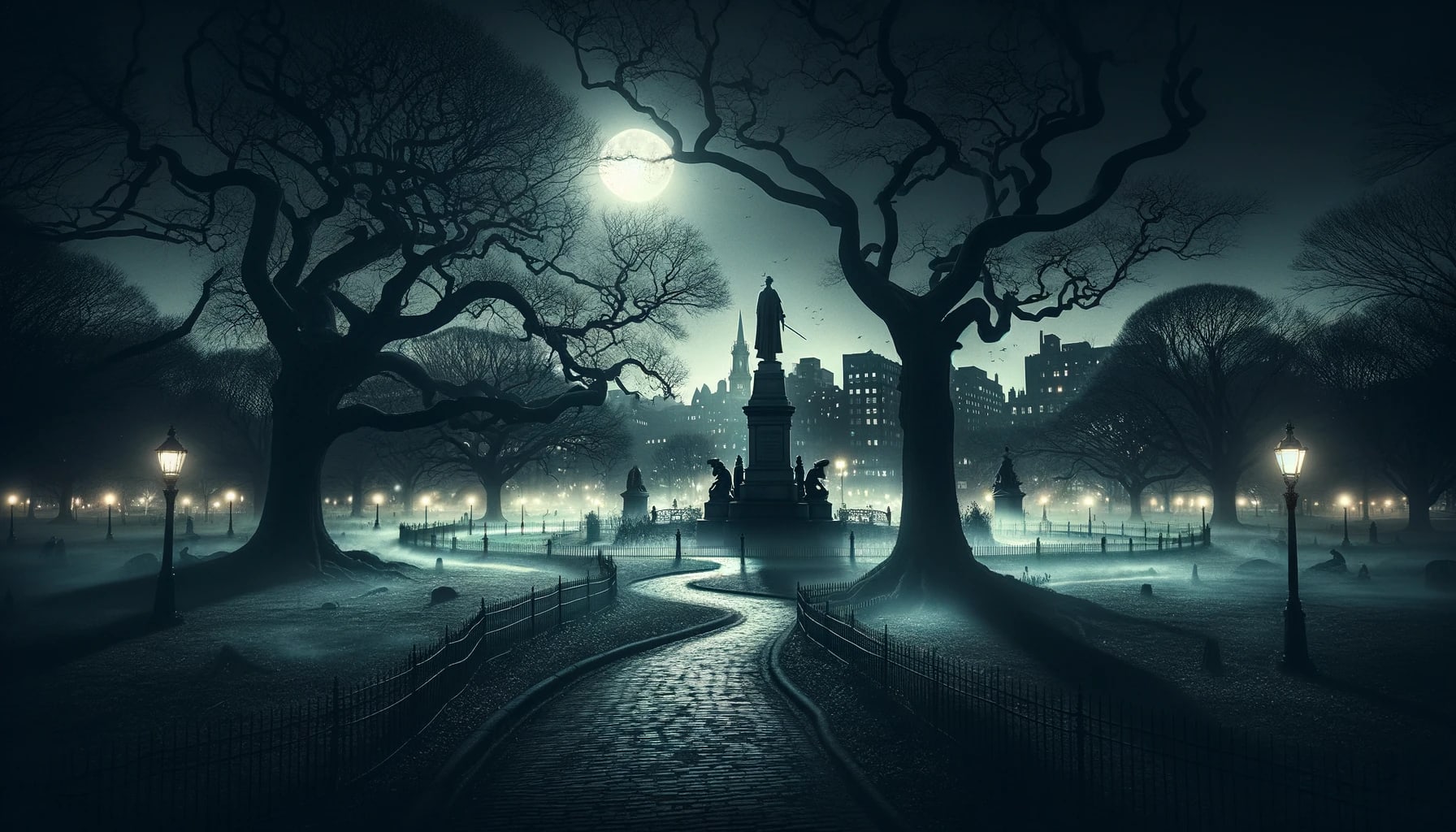
Boston Common
America's oldest public park served as an execution ground for over a century. Quakers, pirates, and accused witches died on its gallows, and their presence is still felt after dark.
Read More
Faneuil Hall
The 'Cradle of Liberty' where revolutionary leaders committed treason in public speeches. Staff report phantom footsteps, disembodied voices, and the unmistakable feeling of being watched in the Great Hall.
Read MoreThe Dead Beneath Your Feet
Boston is literally built on its dead. The city's three colonial burial grounds hold thousands of bodies in spaces that were never designed to accommodate them, and the paranormal activity concentrated in and around these sites is among the most intense in the city.
The Granary Burying Ground is where Boston buries its heroes — and where it stacked their bodies five and six deep when the graves ran out of room. Paul Revere is here. Samuel Adams. John Hancock. The victims of the Boston Massacre. Benjamin Franklin's parents. Over 5,000 bodies rest in this ground, but only 2,300 markers remain. The math is simple and disturbing: more than half the dead here have no stone, no name, no record of where they lie. They are simply somewhere beneath your feet, compressed into soil that has been absorbing human remains since 1660.
At dusk, the Granary transforms. The headstones — crooked, weathered, leaning at angles that suggest the ground itself is unsettled — cast shadows that lengthen and merge as the light fails. Visitors report cold spots that concentrate around specific graves. Photographs taken here routinely capture anomalies. And the sensation of being watched is so common that guides have stopped remarking on it. It is simply what happens at the Granary.
King's Chapel Burying Ground is older — Boston's oldest cemetery, established in 1630, the year the Puritans arrived. The people buried here died before the concept of the United States existed. Governors, ministers, and ordinary settlers who survived the crossing only to perish from disease, exposure, or the sheer brutality of colonial life. The hauntings here feel different from the Granary — more personal, more intimate. Visitors describe not just cold spots but physical sensations: a hand on the shoulder, a whisper too close to the ear, the feeling of someone standing immediately behind them who vanishes when they turn.
Copp's Hill Burying Ground overlooks the harbor from the North End, and its history carries an additional layer of violation. During the Revolution, British soldiers used the cemetery as an artillery position — and used the headstones for target practice. The bullet holes are still visible in some of the stones. The desecration of the dead by an occupying army created an emotional charge that paranormal researchers consider significant. The dead at Copp's Hill were not merely buried and forgotten. They were attacked, their markers defaced, their resting place turned into a weapon. The reports of activity here — shadows moving between headstones after dark, the sound of voices speaking in accents that predate the Revolution, an atmosphere of anger that visitors describe as palpable — suggest that the dead at Copp's Hill have not forgiven what was done to them.
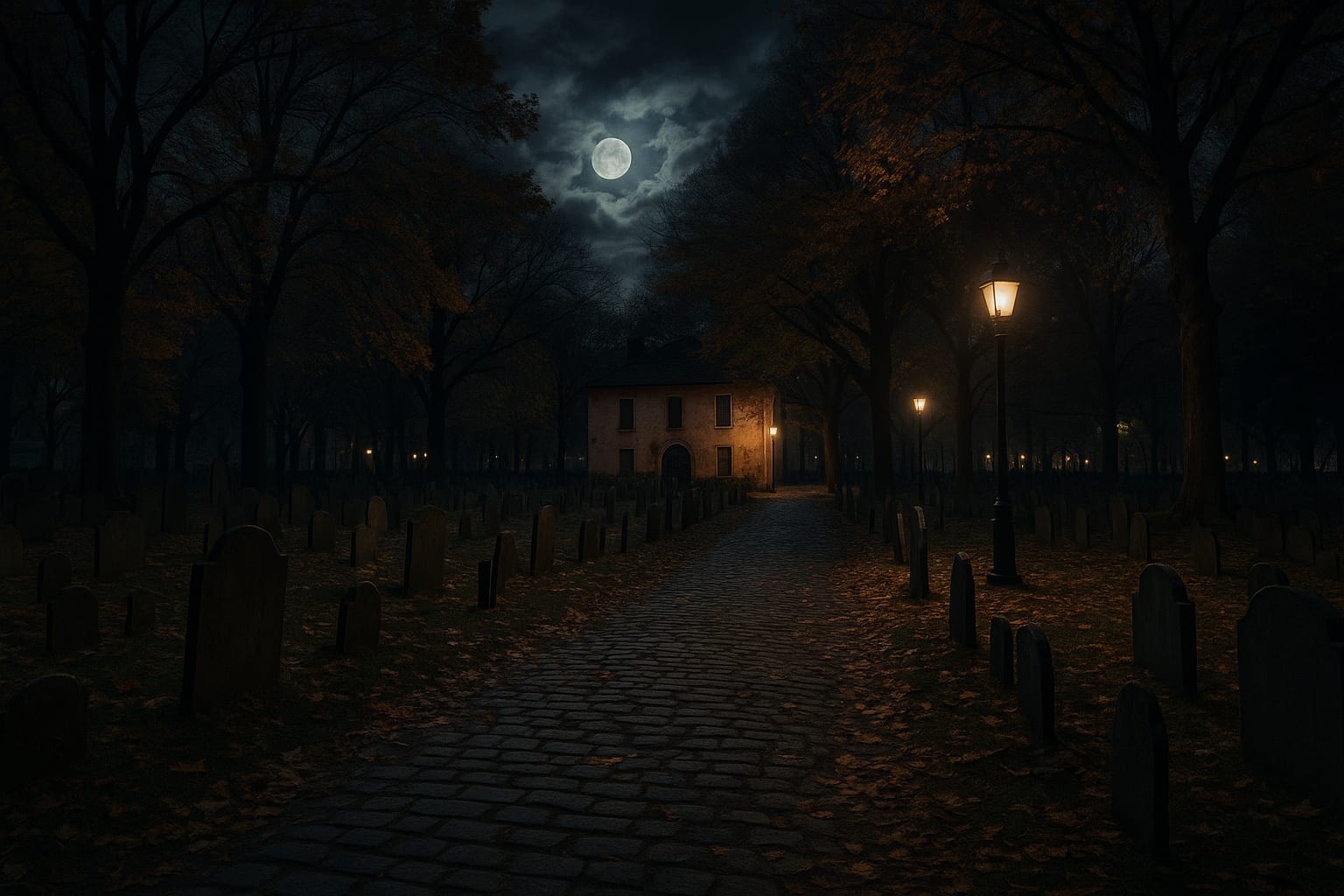
Granary Burying Ground
Over 5,000 bodies rest here, but only 2,300 markers remain. The final resting place of Paul Revere and Samuel Adams is one of the most paranormally active sites in Boston.
Read More
King's Chapel Burying Ground
Boston's oldest cemetery, established in 1630. Visitors report phantom touches, whispers, and the overwhelming sensation of a presence standing just behind them.
Read More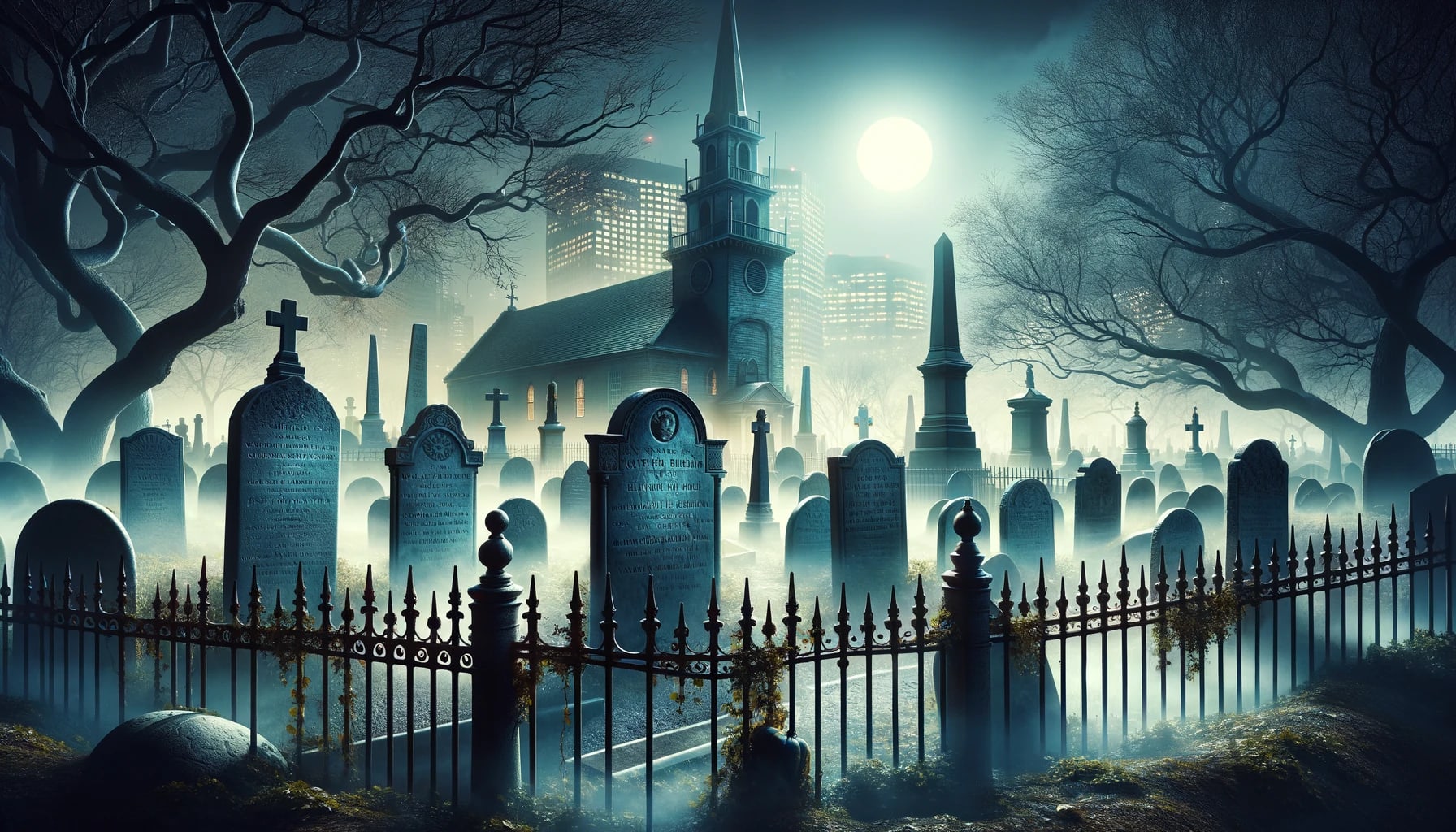
Copp's Hill Burying Ground
British soldiers used these headstones for target practice. The bullet holes remain — and so, it seems, does the anger of the dead whose graves were desecrated.
Read MoreWhere the Living and Dead Still Drink Together
Boston's colonial taverns were not gentle places. They were pressure cookers — rooms where alcohol, politics, fear, and revolutionary fervor combined to produce an emotional intensity that soaked into the walls and never came out.
The Bell in Hand Tavern, established in 1795 by Jimmy Wilson, Boston's last town crier, is the oldest continuously operating tavern in the United States. Over two centuries of continuous service means two centuries of accumulated energy — celebrations, brawls, quiet solitary drinking, deals struck and broken, lives begun and ended within these walls. The paranormal activity here is subtle but persistent. Staff report glasses that slide across the bar without being touched. Cold spots appear and vanish in specific locations. The sound of conversations drifts from areas that are completely empty — not shouting, not dramatic, just the low murmur of people talking who are not there.
The Green Dragon Tavern, known as the Headquarters of the Revolution, carries a heavier charge. The Boston Tea Party was planned within these walls. Paul Revere, Samuel Adams, and John Hancock gathered here to commit acts of treason that could have cost them their lives. The emotional intensity of those meetings — plotting the overthrow of the most powerful empire on Earth while drinking ale in a room where any patron could be a spy — is almost impossible to overstate. The original tavern was demolished in 1854, but the site has never been free of the energy that was generated during the most dangerous years in American history.
The Warren Tavern in Charlestown is named for Dr. Joseph Warren, the patriot leader killed at the Battle of Bunker Hill — killed on the same hill that overlooks the tavern that bears his name. George Washington drank here. Paul Revere drank here. The tavern was one of the first buildings erected after the British burned Charlestown to the ground in 1775, and it was built on ashes, on grief, on the determination of people who had just watched their neighborhood destroyed by a foreign army. Staff and visitors report figures in colonial-era clothing, unexplained disturbances, and an atmosphere that carries something the living cannot quite name.
Ned Devine's Irish Pub, located near Faneuil Hall, sits on ground that has been central to Boston's history since the colonial era. The proximity to the Boston Massacre site and to centuries of commerce, conflict, and death has made this location a reliable source of paranormal reports. Patrons describe sudden temperature drops, the feeling of being watched from empty corners, and unexplained sounds that rise and fall like the ghost of a conversation in a language just beyond understanding. For guests who want to experience Boston's haunted tavern culture firsthand, the Boston Haunted Pub Crawl visits the city's most spirited establishments.
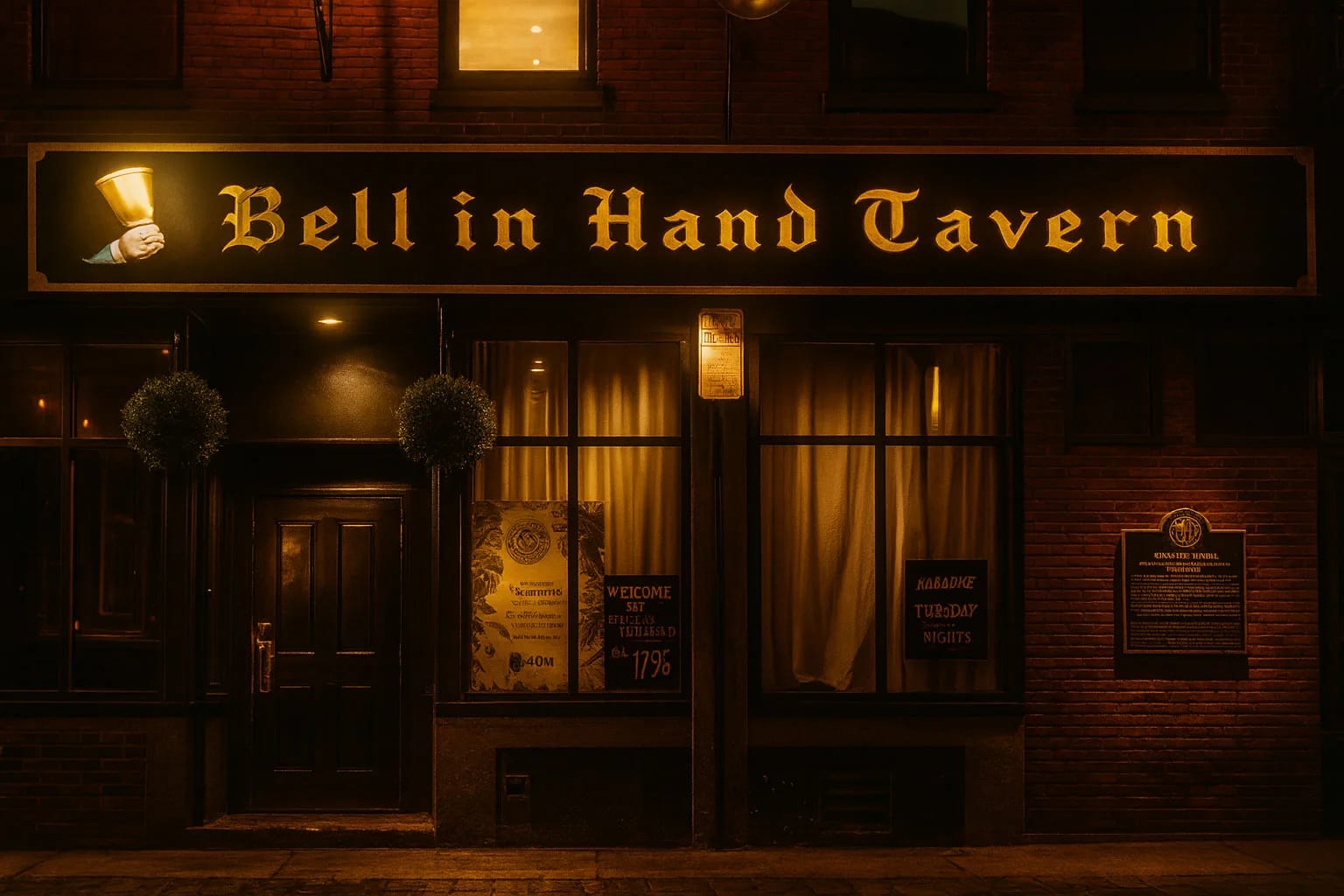
Bell in Hand Tavern
The oldest continuously operating tavern in America. Glasses slide untouched across the bar, cold spots drift through the room, and phantom conversations murmur from empty corners.
Read More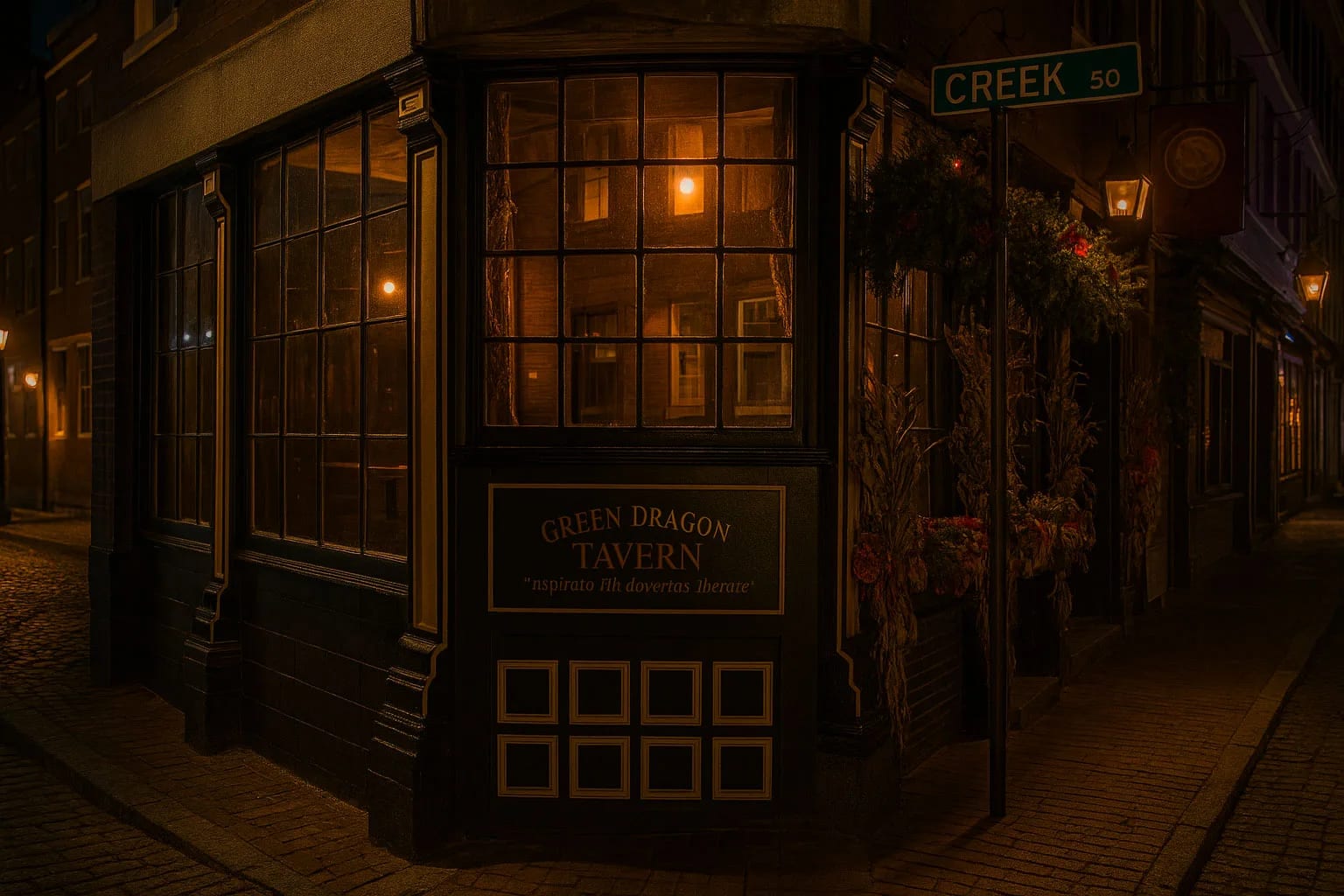
The Green Dragon Tavern
The 'Headquarters of the Revolution' where the Boston Tea Party was planned. The energy of revolutionary conspiracy never left this ground.
Read More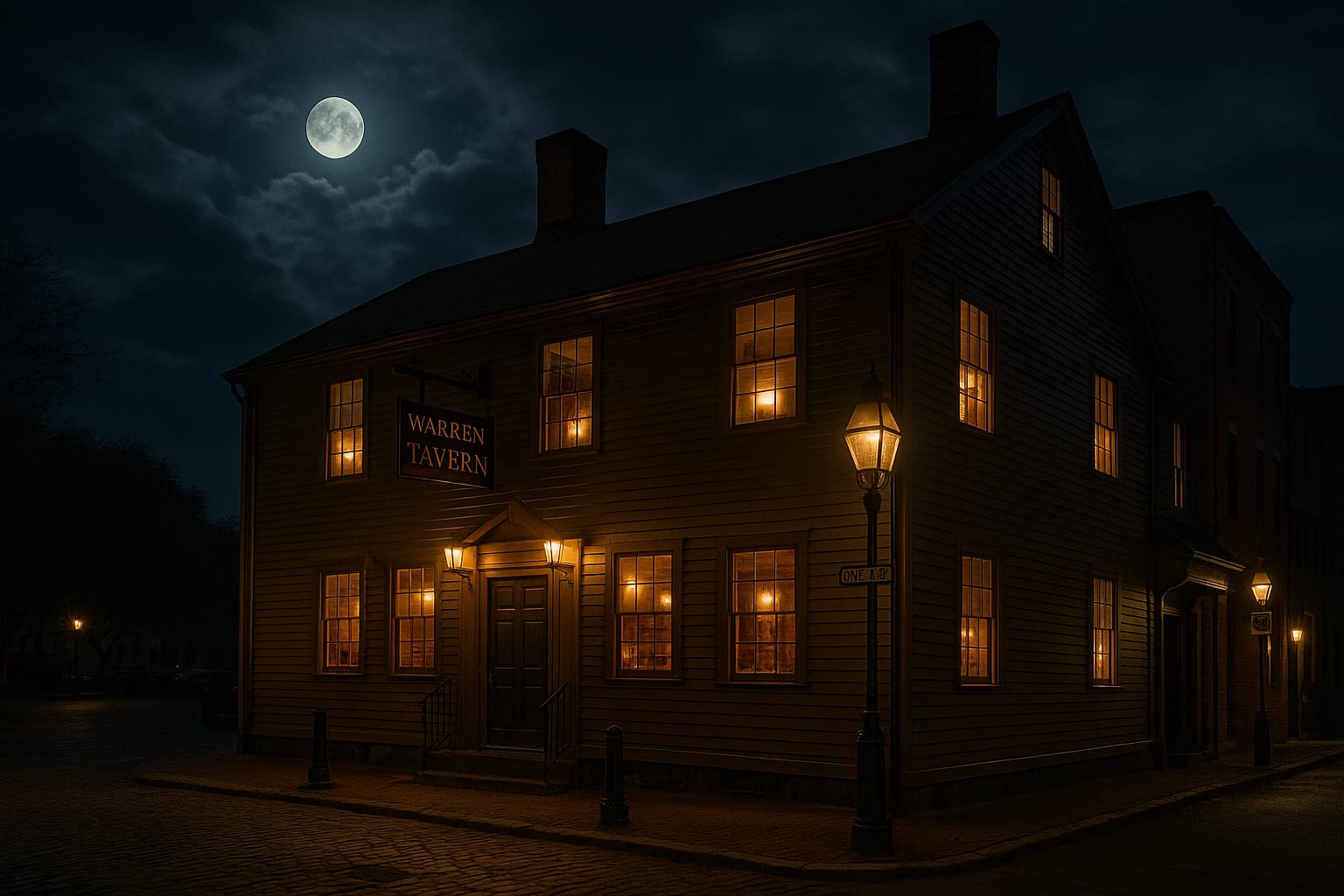
Warren Tavern
Built on the ashes of Charlestown after the British burned it to the ground. Named for a patriot killed at Bunker Hill, frequented by Washington and Revere. The dead still gather here.
Read More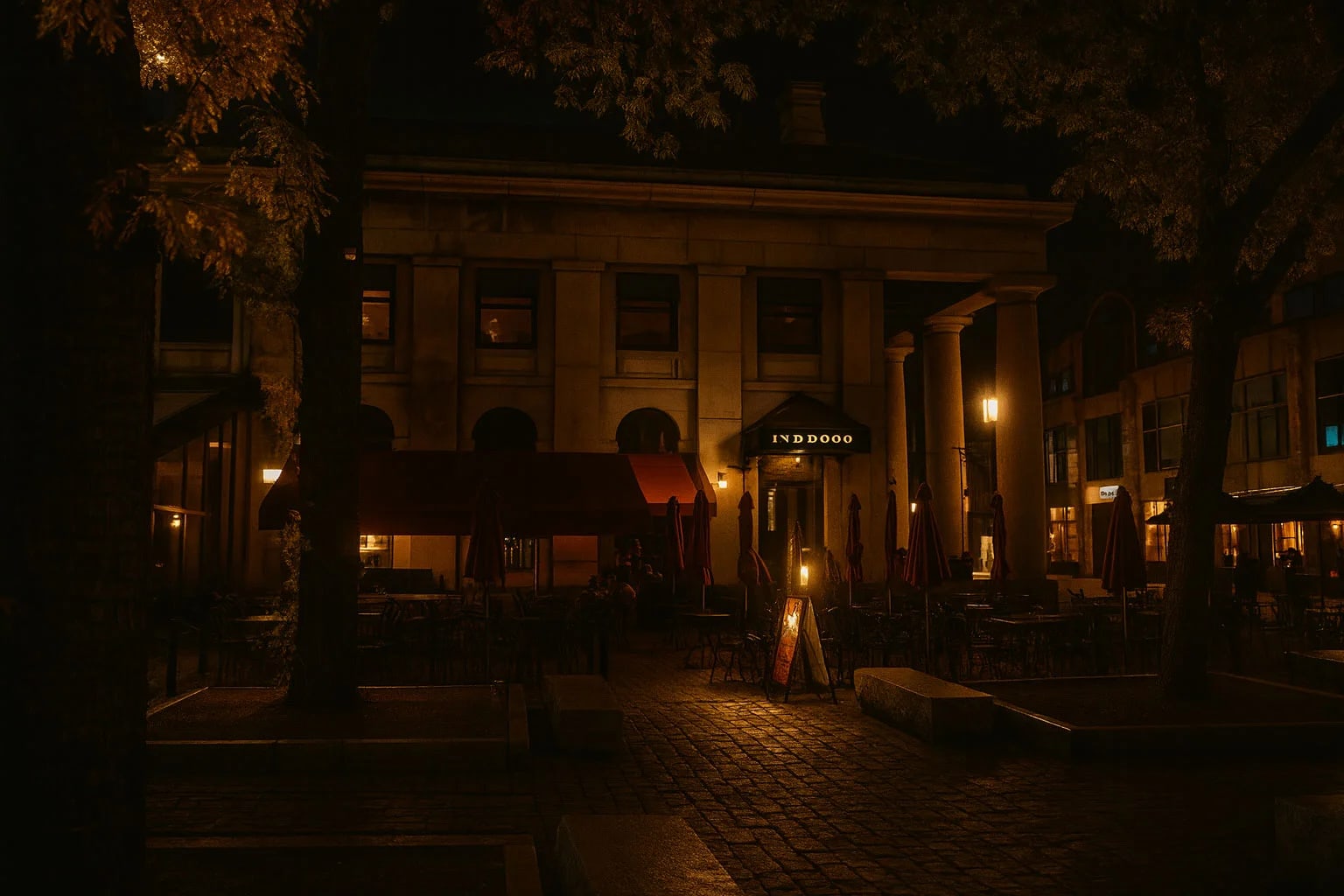
Ned Devine's Irish Pub
Near the site of the Boston Massacre, Ned Devine's sits on ground soaked in centuries of conflict. Patrons report sudden cold spots and the unmistakable feeling of being watched.
Read MorePlaces of Suffering and Confinement
The tone darkens here. Not every haunted place in Boston carries the romantic charge of revolutionary taverns or the solemn weight of colonial burial grounds. Some carry something worse — the residue of prolonged human suffering in a place designed to contain it.
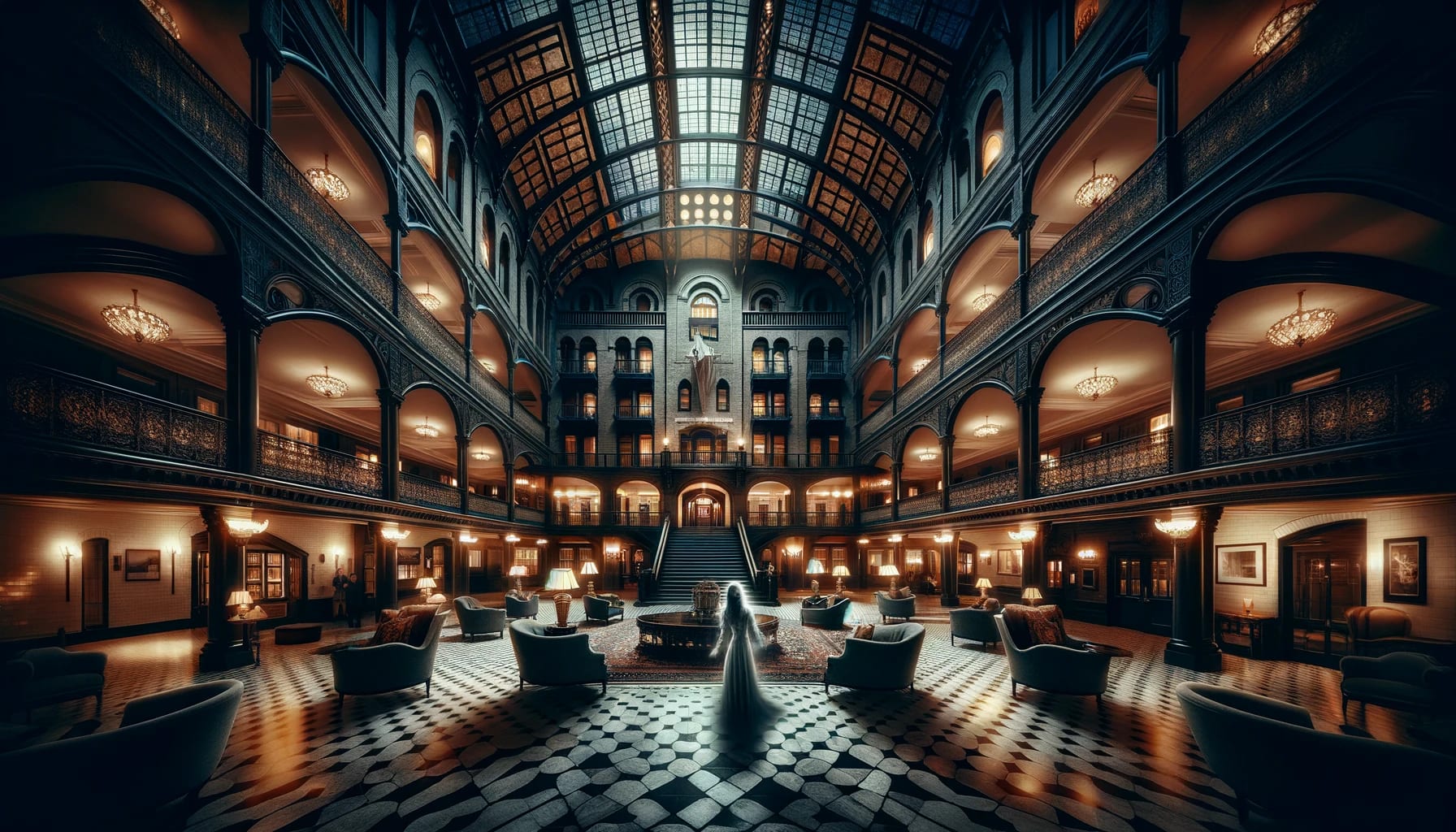
The Charles Street Jail operated from 1851 to 1990, and by the time it closed, it had been condemned as unfit for human habitation. For nearly 140 years, prisoners were held in conditions that deteriorated steadily from inadequate to inhumane. Overcrowding. Disease. Violence between inmates. The slow, grinding misery of incarceration in a building that was never updated, never improved, never made livable by any standard that the outside world would recognize.
The building is now the Liberty Hotel — one of Boston's most upscale accommodations. The conversion preserved the granite facade, the soaring atrium, and the architectural bones of the original jail. What it could not remove was the atmosphere. Guests report encounters with presences that do not belong to the living — shadows in the corridors that move against the light, unexplained sounds from the upper floors, doors that open and close in rooms where no one is staying. The feeling of unease is pervasive, concentrated in specific areas of the building that correspond to the sections where the worst conditions existed during the jail's operation.
The Charles Street Jail is a reminder that some hauntings are not born from single dramatic events. They are born from sustained suffering — years, decades, generations of people locked in a building where despair became the dominant emotion, where hopelessness saturated the walls and the floors and the air until the building itself absorbed it. The Liberty Hotel is beautiful. It is also a prison. The renovation changed the decor. It did not change what lives in the walls.
Haunted History Hidden in Plain Sight
Not all ghosts announce themselves. Some of Boston's most compelling hauntings occur in places that most visitors walk past without a second glance — libraries, theaters, private homes, and business hotels that carry their dead quietly, without signage or spectacle.
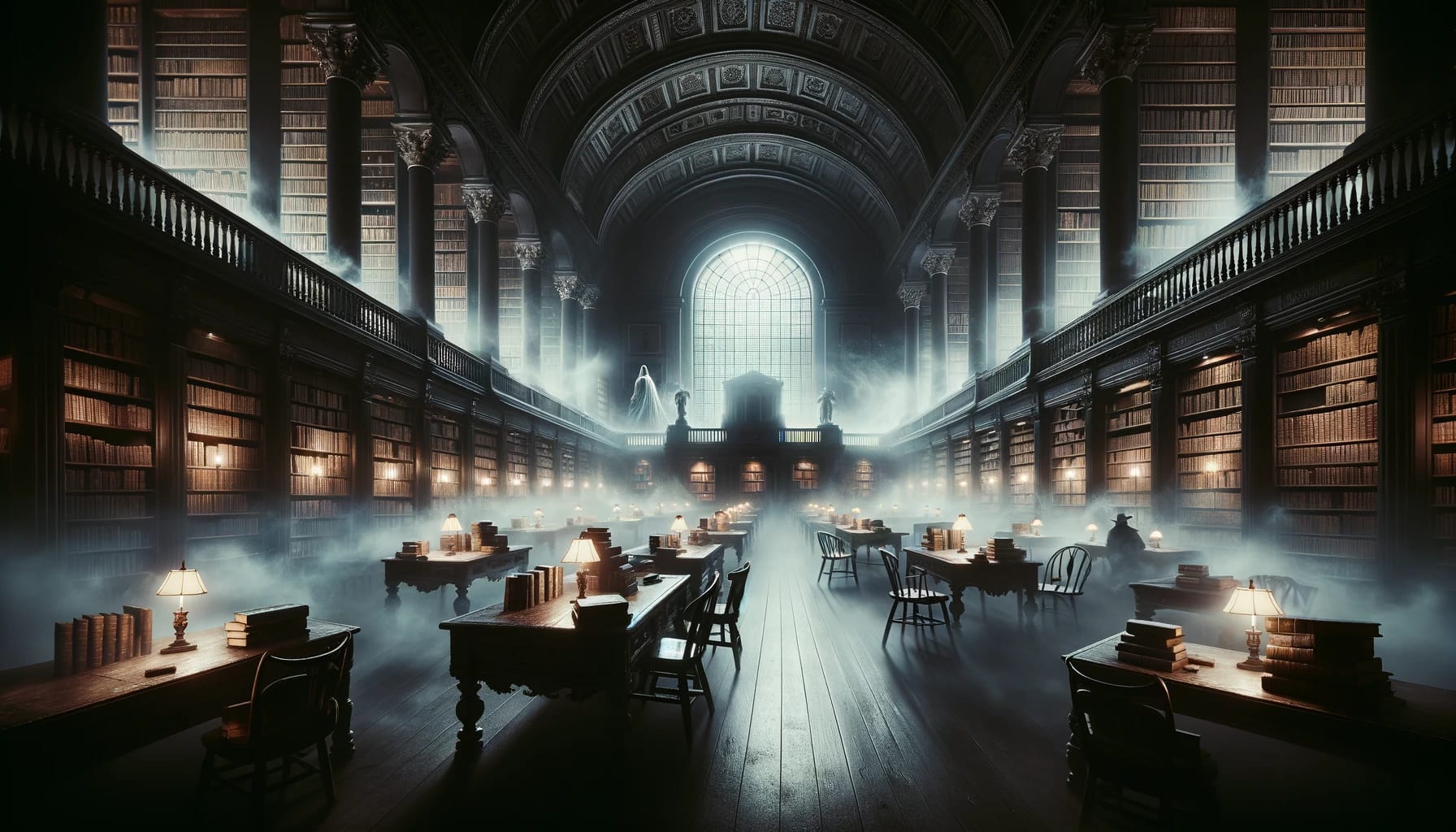
The Boston Athenaeum is one of the oldest independent libraries in the country, founded in 1807 and housed in a building that feels more like a private club than a public institution. The Athenaeum's collection includes books bound in human skin — a practice that was not uncommon in the 19th century but that adds an undeniable charge to a building already heavy with the accumulated energy of two centuries of scholarship, obsession, and solitary intellectual pursuit. Staff and members have reported phenomena that align with a place where people spent their lives among books: the sound of pages turning in empty rooms, the sense of a presence in the stacks, and occasional sightings of a figure in period clothing who moves through the reading rooms with the quiet purpose of someone who knows exactly where they are going.
The Cutler Majestic Theatre, opened in 1903, is one of Boston's architectural gems — a Beaux-Arts jewel that has hosted over a century of performances. Theaters are natural repositories of emotional energy. Night after night, audiences experience joy, sorrow, fear, and catharsis in concentrated doses, and performers channel emotional intensity as a professional skill. The Cutler Majestic has accumulated over a century of this energy, and the reports reflect it. Performers and crew describe lights that operate independently, cold drafts in sealed spaces, and the persistent feeling of an audience watching from the empty seats during rehearsals. The theater is haunted not by a single ghost but by the accumulated residue of a hundred years of human emotion, concentrated and replayed in a building designed to amplify feeling.
The Hooper-Lee-Nichols House in Cambridge is one of the oldest surviving homes in the Boston area, dating to approximately 1685. The house has served as a private residence for over three centuries, and its ghosts are domestic — quiet, subtle, and rooted in the rhythms of daily life rather than in dramatic historical events. Visitors report the sound of footsteps on stairs, doors that open without cause, and the sense of a presence in rooms that feel occupied even when they are empty. The Hooper-Lee-Nichols House is haunted in the way that very old homes sometimes are — not violently, not aggressively, but persistently, as though the people who lived here for centuries simply never finished living.
The Club Quarters Hotel on Tremont Street is a modern business hotel in a historic building, and its hauntings are the kind that catch guests off guard precisely because they are not expecting them. Rooms that feel inexplicably cold in specific spots. The sensation of a presence in the bathroom or near the window. Sounds in the hallway that do not correspond to any visible source. Club Quarters is haunted in the understated way that many Boston buildings are — the activity is real, documented by guest reports over years, and impossible to attribute to building quirks or overactive imaginations. The ghosts here are not famous. They are simply present.
The Boston Athenaeum
One of America's oldest independent libraries, home to books bound in human skin and ghosts who move through the reading rooms with the quiet purpose of scholars who never left.
Read More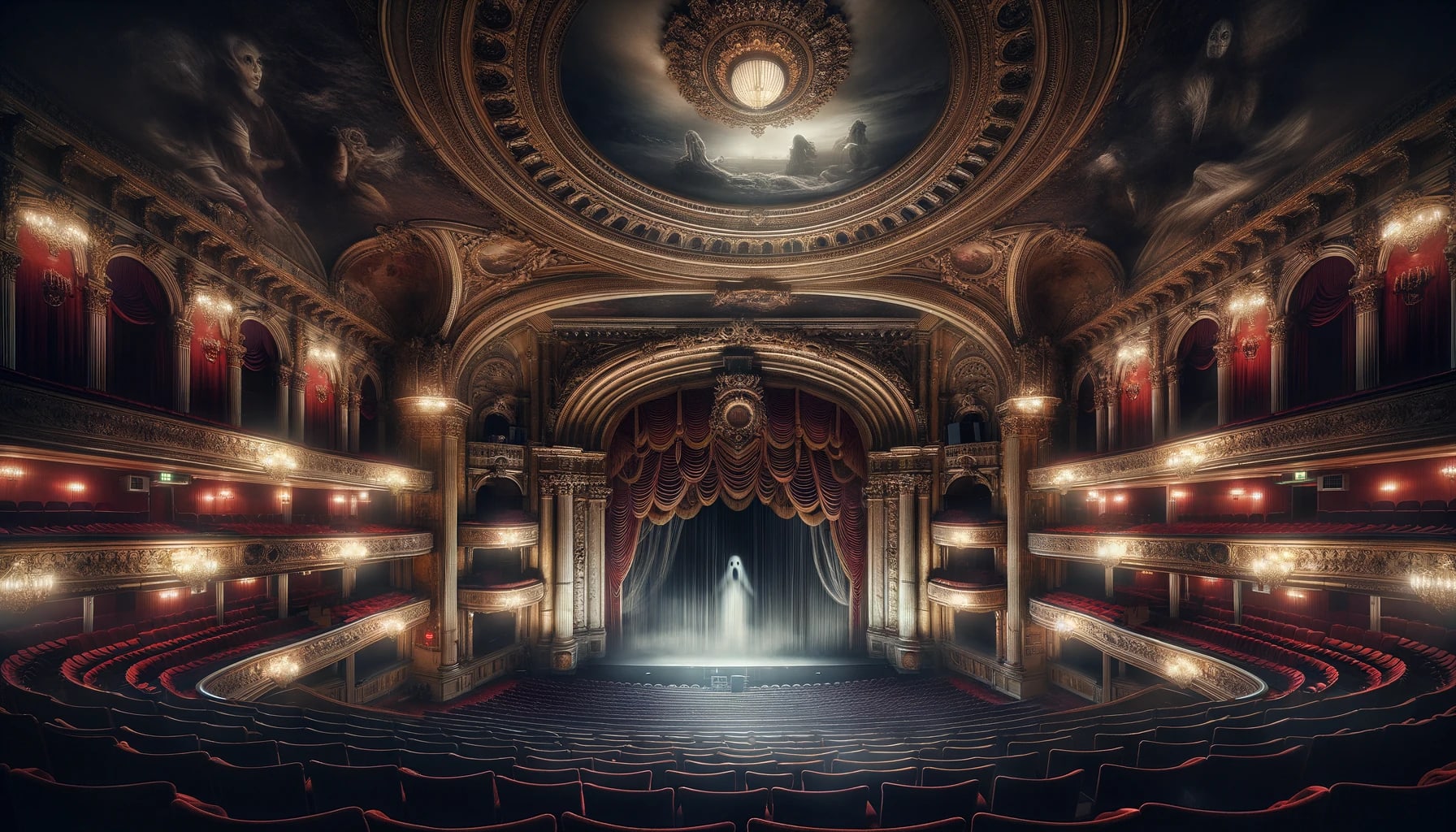
The Cutler Majestic Theatre
Over a century of concentrated emotion — joy, grief, catharsis — has left this Beaux-Arts theater haunted by a phantom audience that watches from empty seats during rehearsals.
Read More
Hooper-Lee-Nichols House
One of the oldest surviving homes in the Boston area, dating to 1685. The ghosts here are domestic — footsteps on stairs, doors opening without cause, the quiet persistence of lives that never finished.
Read More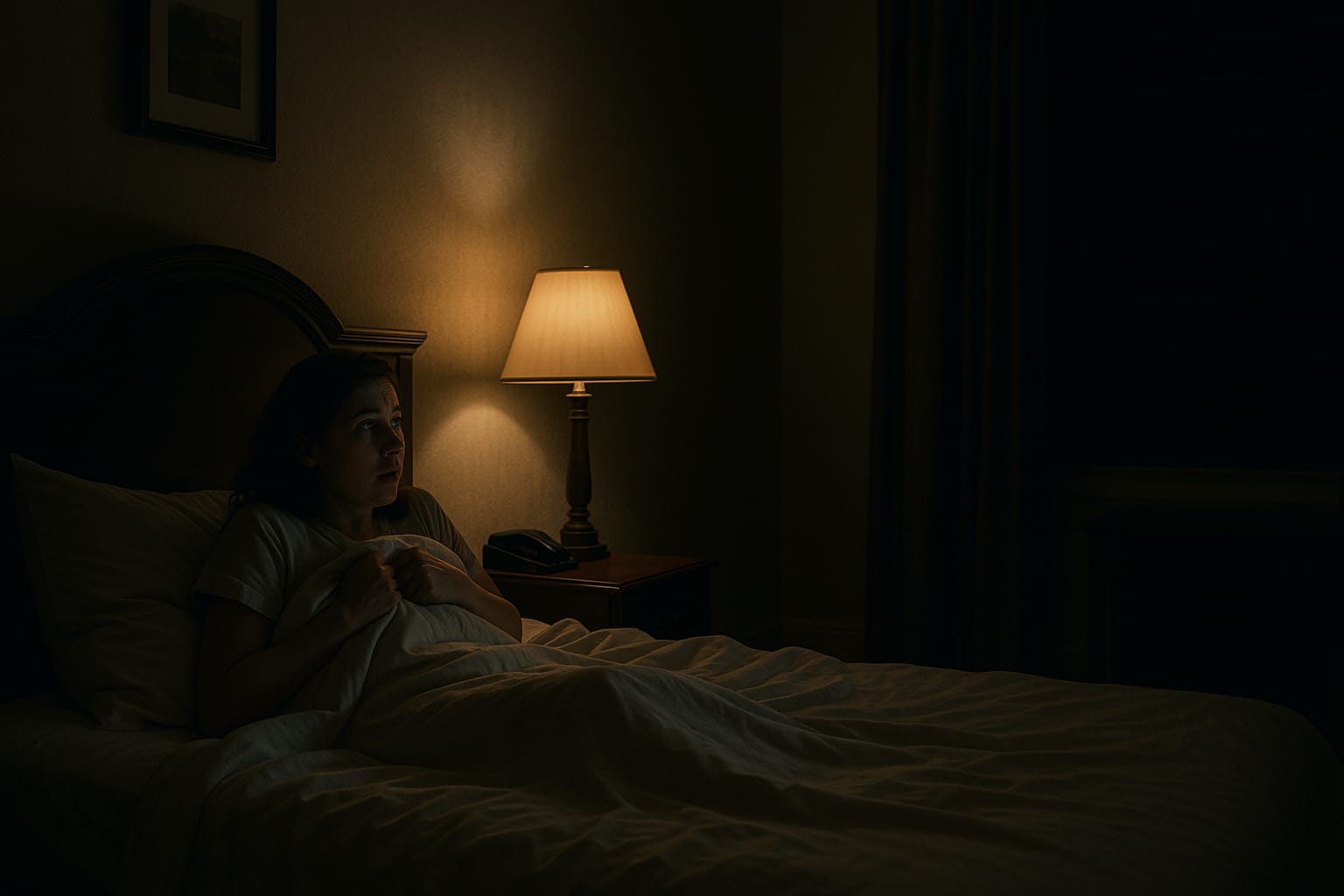
Club Quarters Hotel
A modern business hotel in a historic building, where guests report unexplained cold spots, phantom presences, and sounds in the hallway that have no visible source.
Read MoreDisaster, War, and Mass Trauma
Some hauntings are born from individual tragedy — a single death, a single moment of violence, a single life that ended without resolution. Others are born from catastrophe — events so massive, so sudden, and so devastating that the emotional energy released cannot be absorbed by any single location. It spreads. It saturates the ground, the buildings, the air itself.
The Great Boston Fire of 1872 destroyed sixty-five acres of the city's commercial district in two days. Seven hundred and seventy-six buildings were leveled. At least thirty people were killed — trapped in buildings, overcome by smoke, crushed by collapsing walls. The fire started in the basement of a commercial warehouse on Summer Street and spread with a speed that overwhelmed every firefighting resource the city possessed. Horses used to pull the fire engines were sick with equine influenza, crippling the response. The fire jumped streets. It consumed entire blocks. It burned so hot that granite buildings cracked and iron storefronts melted.
The area where the fire burned most intensely — the blocks around Summer Street and Franklin Street in what is now the Financial District — has been associated with paranormal reports ever since. Workers in buildings constructed on the fire's footprint describe unexplained sounds, sudden temperature changes, and the lingering smell of smoke in areas where no fire exists. The sheer scale of the destruction — and the terror of the people who died within it — created conditions that paranormal researchers believe can persist for centuries.
Fort Warren on Georges Island in Boston Harbor carries a different kind of weight. The fort served as a Union prison during the Civil War, holding Confederate soldiers and political prisoners in conditions that ranged from uncomfortable to deadly. Disease, exposure, and despair claimed lives throughout the war, and the isolation of the island — surrounded by water, cut off from the mainland, exposed to the Atlantic winds that sweep through the harbor — amplified the psychological torment of imprisonment.
The most famous ghost at Fort Warren is the Lady in Black — a Confederate soldier's wife who, according to legend, attempted to free her husband from the prison, was captured, and was executed on the island. Whether the legend is historically accurate is debated. What is not debated is the persistence of the reports. Visitors, park rangers, and researchers have described encounters with a female figure in dark clothing who appears on the fort's ramparts, in its tunnels, and along its walls. She has been seen for over a century. She shows no signs of leaving.
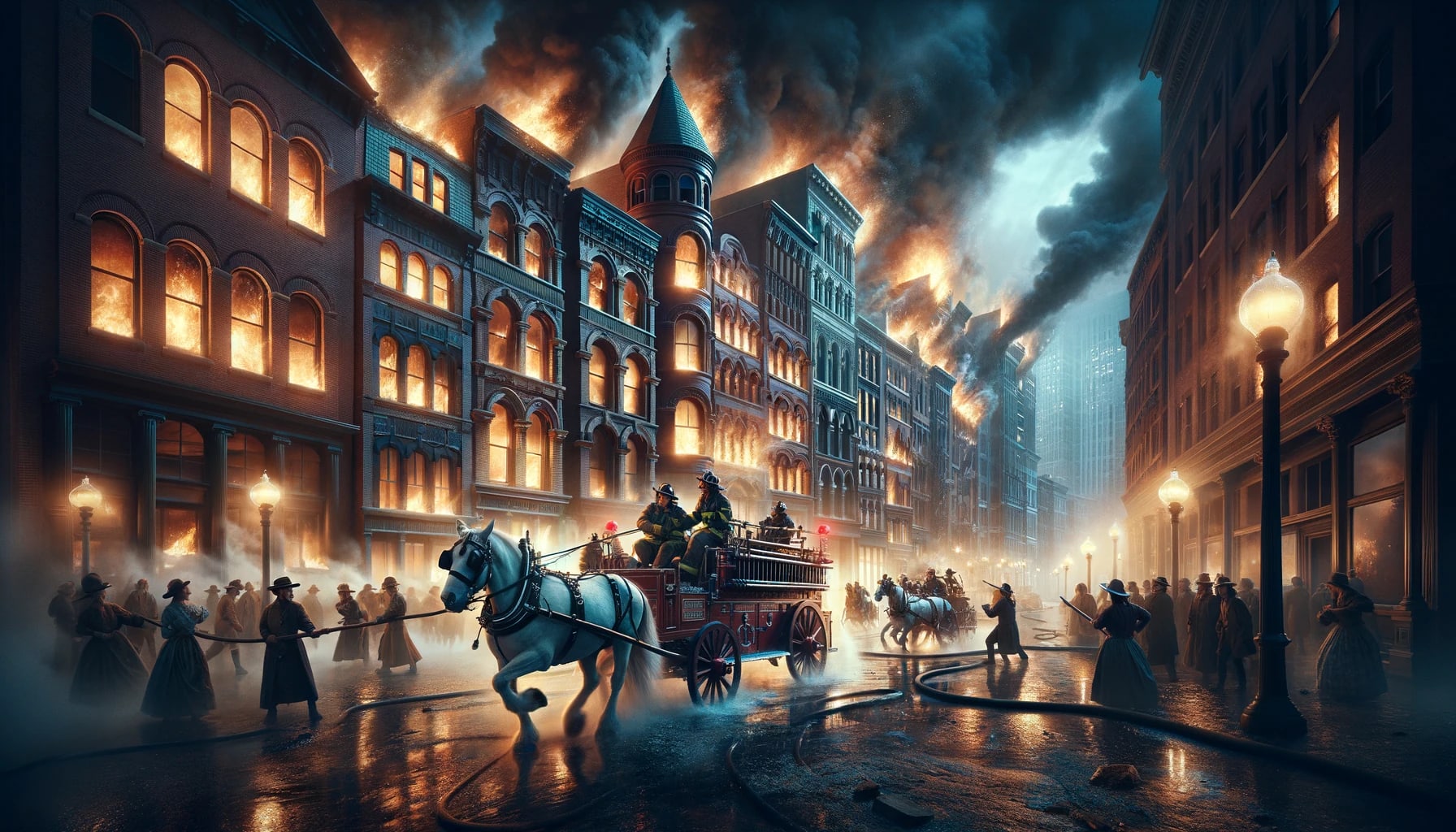
The Great Boston Fire of 1872
Sixty-five acres destroyed. Over 770 buildings leveled. The Financial District was built on ashes and terror, and workers in the area still report the smell of phantom smoke.
Read More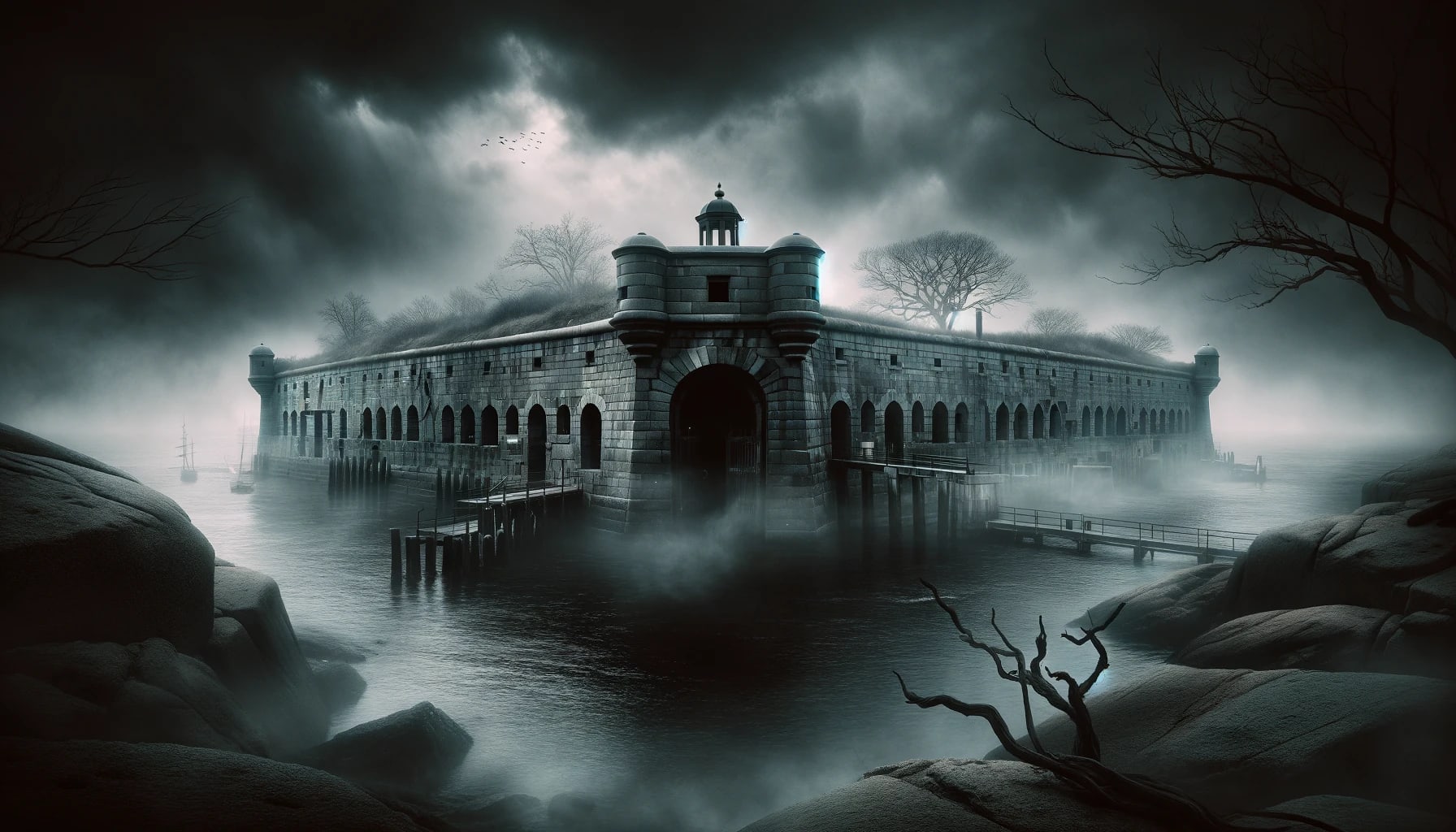
Fort Warren
A Civil War prison on an island in Boston Harbor, haunted by the Lady in Black — a figure seen on the ramparts for over a century, showing no signs of departure.
Read MoreWhere the Dead Still Serve
The USS Salem is not a building. It is a warship — a Des Moines-class heavy cruiser, one of the largest ever built, now permanently moored in Quincy as a museum ship. And it is one of the most haunted locations in the Boston area.
The Salem served in the Mediterranean during the Cold War, but its most emotionally significant mission occurred in 1953, when it was deployed to assist in disaster relief following a catastrophic earthquake in the Ionian Islands of Greece. The ship took on survivors — injured, traumatized, grieving people who had just lost everything — and its sick bay was converted into a makeshift morgue. The dead were brought aboard and stored in the ship's lower compartments while the living were treated on the decks above. The emotional intensity of that mission — death and survival coexisting in the steel confines of a warship — left a mark that has never faded.
Today, the USS Salem is a museum open to visitors, and the paranormal activity reported aboard the ship is among the most dramatic in the Boston area. Visitors and staff describe doors that slam in compartments where no draft exists, the sound of footsteps running through empty passageways, voices calling from sealed sections of the ship, and the overwhelming feeling of a presence in the lower decks — particularly in the areas that served as the temporary morgue during the earthquake relief mission.
The USS Salem is haunted in a way that land-based locations rarely achieve. A ship is a closed environment — steel walls, sealed hatches, narrow corridors that amplify every sound and concentrate every sensation. The emotional energy generated by the earthquake relief mission — the grief of the survivors, the weight of the dead stored below decks, the helplessness of a crew confronting suffering on a scale that exceeded anything they had trained for — was contained within the hull with nowhere to dissipate. It is still there, sealed inside the ship like air in a submarine. Visitors feel it the moment they step aboard.

You May Not Leave Alone
The hauntings in Boston did not end when the city modernized. They moved into the hotels — into the rooms where guests sleep, into the corridors where housekeeping pushes their carts, into the ballrooms where the living celebrate while the dead observe from the edges of the room.
The Fairmont Copley Plaza, built in 1912 on the site where the original Museum of Fine Arts once stood, is one of the grandest hotels in Boston — and one of the most haunted. The building is Gilded Age elegance: soaring ceilings, gilded ballrooms, marble lobbies designed to make guests feel like they have stepped into another century. Some of them, apparently, have. Staff members have encountered a woman in Victorian-era clothing on the upper floors who vanishes when approached — not quickly, not dramatically, but slowly, as though she is stepping back into a version of the building that no longer exists. Unexplained temperature drops occur in specific rooms with a regularity that defies mechanical explanation. Electronic devices malfunction in patterns that maintenance cannot trace. And in the ballrooms, late at night, the sound of a piano playing has been reported by security guards who have confirmed that every piano in the building was closed and locked.
The Bostonian Hotel, situated near Faneuil Hall and the site of the Boston Massacre, occupies ground that has been central to Boston's story since the city's founding. The hotel is relatively modern, but the ground beneath it is ancient — and it shows. Guests have described hearing voices speaking in accents that do not belong to the modern era. Figures in period clothing have been seen in hallways and guest rooms, standing quietly before disappearing through walls. The proximity to so many historically significant — and historically violent — locations has made the Bostonian a convergence point for paranormal activity, a place where the accumulated hauntings of the surrounding neighborhood seem to concentrate and manifest.
These hotels are not haunted because they are old. They are haunted because they sit on ground that has been accumulating death, grief, and unresolved human experience for nearly four centuries. The buildings are new. What lives inside them is not.
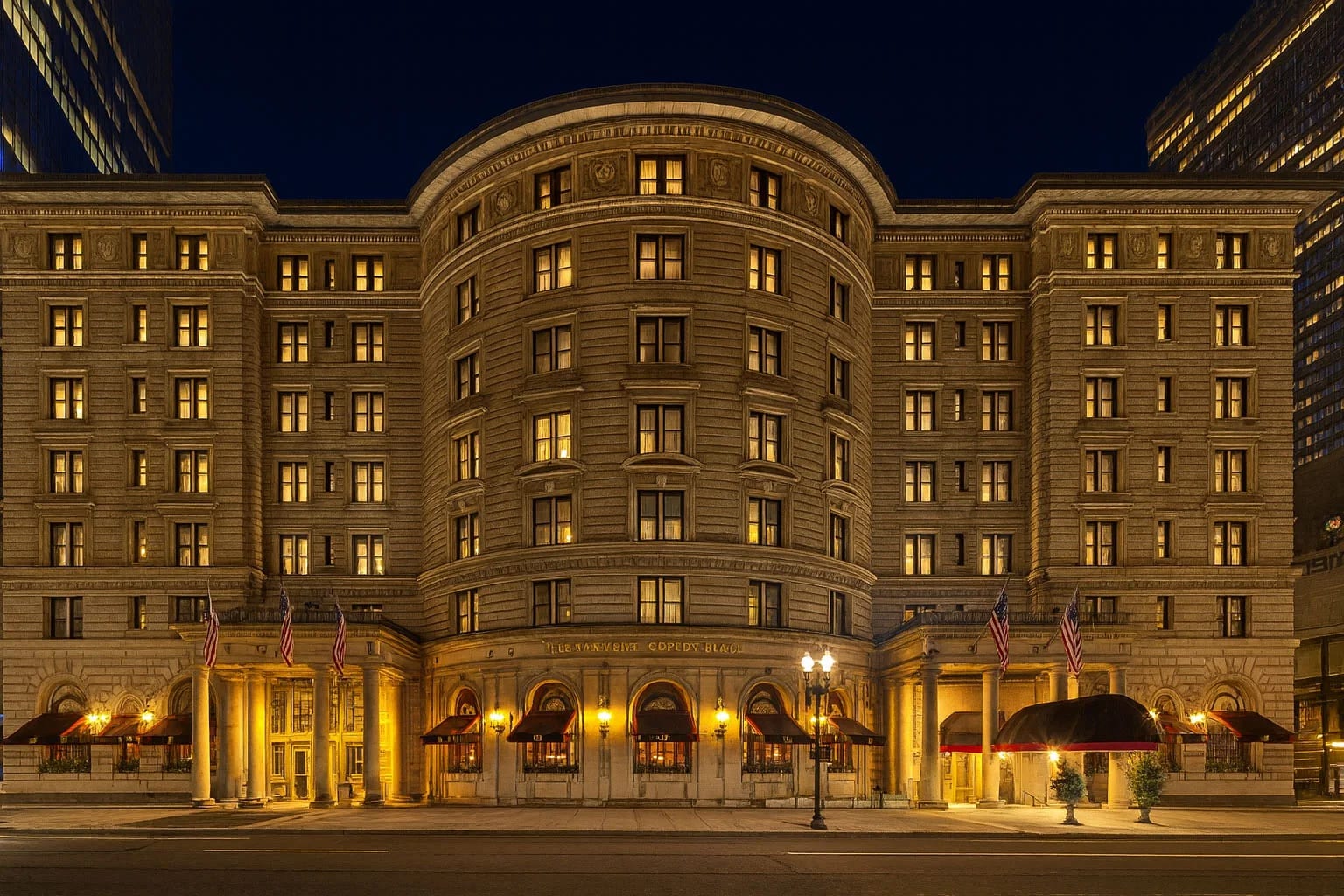
Fairmont Copley Plaza
A Victorian-era apparition dissolves slowly on the upper floors. Phantom piano music plays in locked ballrooms. The grandeur is real. So are the ghosts.
Read More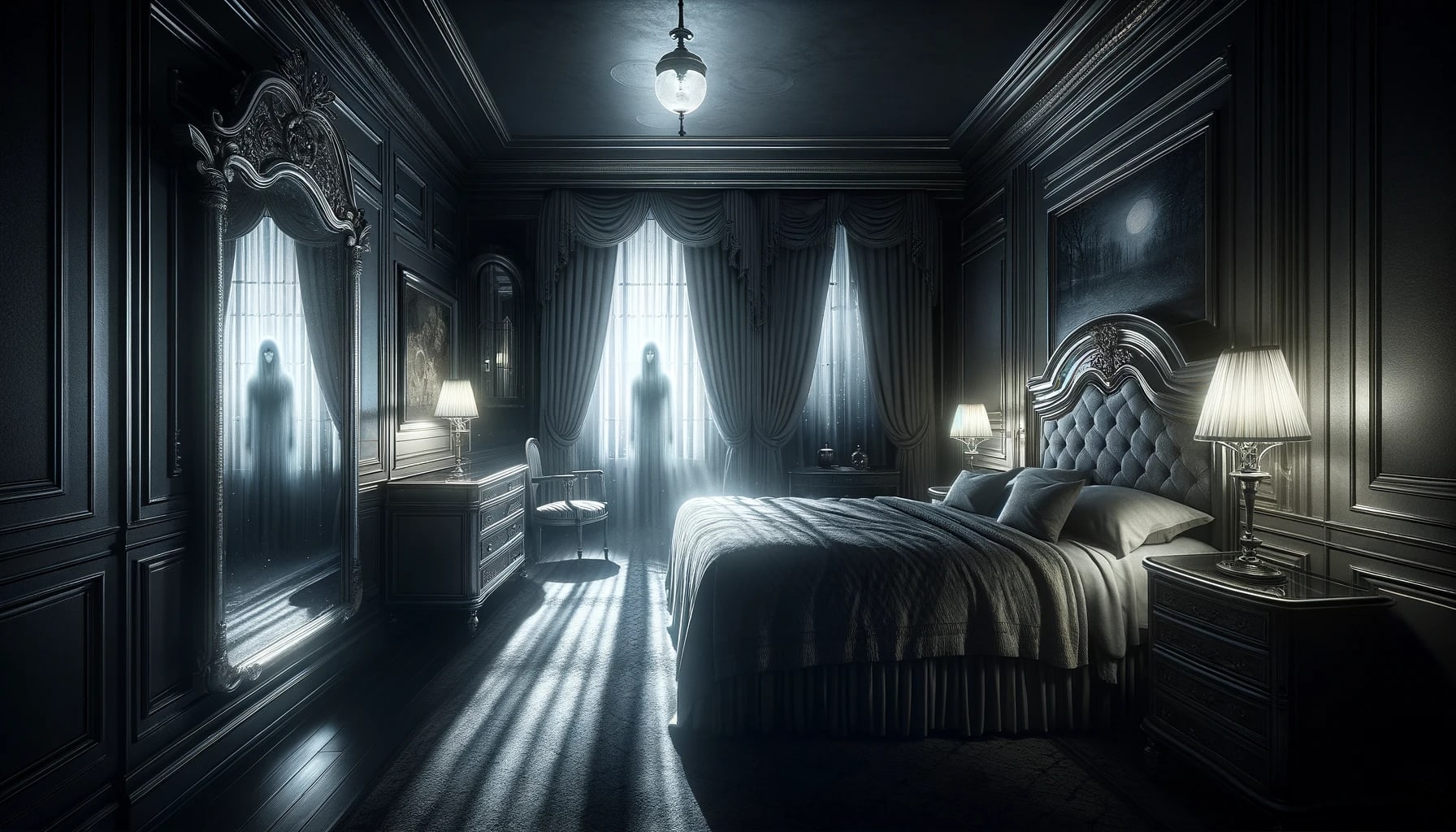
The Bostonian Hotel
Near the Boston Massacre site and Faneuil Hall, guests report voices in colonial-era accents and figures in period clothing who disappear through walls.
Read MoreWhy These Places Remain Haunted
Twenty locations. Four centuries of death. The question is not whether these places are haunted — the reports are too consistent, too widespread, and too persistent to dismiss. The question is why.
Paranormal researchers describe two primary frameworks. Residual hauntings are like recordings — they replay the same events, the same movements, the same sounds without any awareness of the living. A figure walking the same corridor at the same time every night. Footsteps that follow the same path. A scream on the anniversary of a tragedy. These are the most commonly reported phenomena in Boston's oldest buildings, and they suggest that extreme emotional events can leave an imprint on a physical location that persists long after the people who experienced them are gone.
Intelligent hauntings involve entities that appear aware of the living and respond to them. Doors that open when someone approaches. Objects that move in response to questions. The feeling of a hand on your shoulder from someone who is not there. These reports are less common in Boston but far from rare — and they tend to concentrate in locations where the connection between the living and the dead was particularly intense: hotels where people spent their final years, prisons where inmates suffered for decades, taverns where the same people gathered night after night for generations.
Boston amplifies both types of haunting. The city's unusual density — four centuries of continuous occupation in a compact urban footprint — means that the dead are concentrated here in a way that few American cities can match. The burial grounds alone hold tens of thousands of bodies in spaces that were full two centuries ago. The buildings are old enough to have absorbed generations of emotional energy. And the history is violent enough, traumatic enough, and unresolved enough to have produced the conditions that researchers believe are necessary for persistent paranormal activity.
For the full story of how Boston became one of the most haunted cities in America, read Why Is Boston So Haunted?.
Experience Boston's Hauntings Yourself
Reading about these locations is one thing. Standing in front of them — at night, in the dark, with a guide who knows the stories behind the stones and the walls and the doors that open on their own — is something else entirely.
Ghost City Tours offers three ways to experience haunted Boston, each designed for a different kind of visitor:
The Ghosts of Boston Tour is the perfect introduction — a family-friendly walking tour that covers the city's most famous haunted locations with storytelling that balances history with genuine atmosphere. This is the tour that earned Ghost City Tours its reputation as the highest-rated ghost tour company in Boston.
The Death & Dying Tour goes darker. Adults only. The murders, the epidemics, the executions, and the tragedies that the family-friendly version leaves out. If you came to Boston looking for the truth behind the charm, this is where you will find it.
The Haunted Pub Crawl is for guests 21 and over who want their ghost stories served with a drink. Visit the haunted taverns where the Revolution was born and the dead still gather. It is the most social way to experience haunted Boston — and the most fun.
The history is waiting. The dead are patient. But they have been here for a very long time, and they are not going anywhere.
Book your Ghost Tour in Boston and experience what nearly four centuries of unresolved death feels like beneath your feet.
Frequently Asked Questions
What is the most haunted place in Boston?
The Omni Parker House is the most frequently cited haunted location in Boston. Opened in 1855, it is America's longest continuously operating hotel, and guests report ghostly encounters on multiple floors — including the apparition of founder Harvey Parker, self-opening doors, phantom cigar smoke, and elevators that stop on empty floors. The Granary Burying Ground, Boston Common, and the Charles Street Jail (now the Liberty Hotel) are also among the city's most actively haunted locations.
Are Boston's haunted locations open to the public?
Many of Boston's most haunted locations are publicly accessible. The colonial burial grounds are open during daytime hours. Historic taverns like the Bell in Hand and Warren Tavern welcome guests. Hotels like the Omni Parker House, Fairmont Copley Plaza, and the Liberty Hotel are open to the public. Ghost City Tours offers guided walking tours that visit multiple haunted locations in a single evening.
Why is Boston so haunted?
Boston's haunted reputation is built on nearly four centuries of concentrated death and trauma — colonial-era epidemics, public executions, Revolutionary War violence, catastrophic fires, and the sheer density of human remains buried beneath the city. The preservation of historic buildings and burial grounds means the locations where these events occurred are still standing, and paranormal activity continues to be reported across the city.
What ghost tours are available in Boston?
Ghost City Tours offers three experiences in Boston: the Ghosts of Boston Tour, a family-friendly walking tour of the city's most famous haunted locations; the Death & Dying Tour, an adults-only deep dive into Boston's darkest history; and the Haunted Pub Crawl, a 21+ experience combining ghost stories with visits to Boston's most haunted taverns.
Can you visit the haunted burial grounds in Boston at night?
Boston's colonial burial grounds — the Granary, King's Chapel, and Copp's Hill — are generally open during daylight hours and close at dusk. However, Ghost City Tours' guided walking tours pass by these locations in the evening, providing historical context and ghost stories in the atmospheric conditions when paranormal activity is most commonly reported.
Is the Liberty Hotel really haunted?
The Liberty Hotel occupies the former Charles Street Jail, which operated as a prison from 1851 to 1990 and was condemned as unfit before closing. Despite the luxury renovation, guests and staff continue to report shadows in corridors, unexplained sounds, doors opening on their own, and an atmosphere of unease in specific areas of the building. The hauntings are consistent with the nearly 140 years of suffering that occurred within these walls.
What is the USS Salem and why is it haunted?
The USS Salem is a Cold War-era heavy cruiser permanently moored in Quincy as a museum ship. During a 1953 earthquake relief mission in Greece, the ship's lower decks served as a temporary morgue for disaster victims. Visitors report slamming doors, running footsteps in empty passageways, voices from sealed compartments, and an overwhelming presence in the areas that once held the dead.