Before the Night Begins: Planning Your Evening
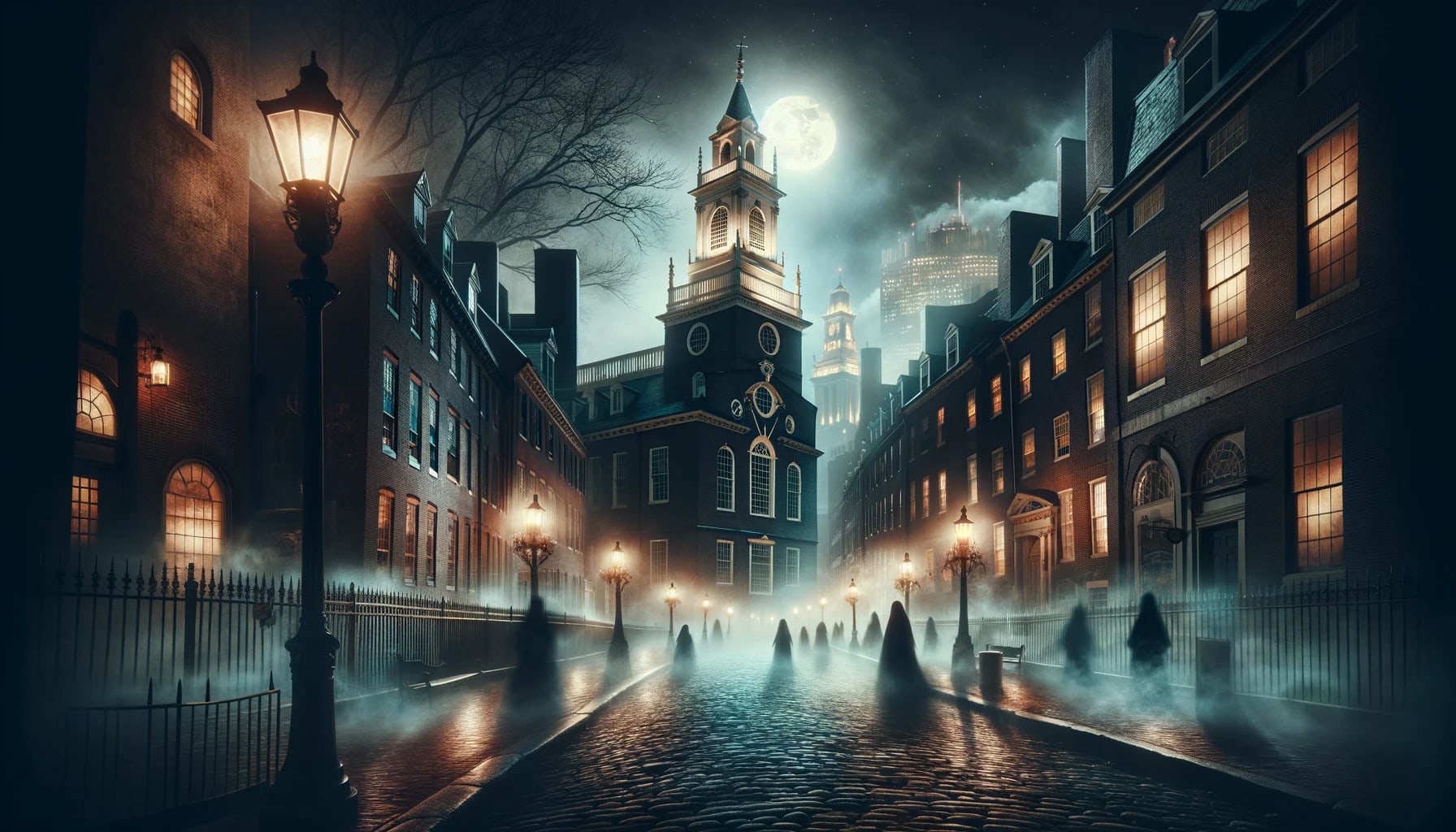
Boston is a walking city. It was built for walking before it was built for anything else, and the distances between its most haunted locations are short enough that you will never need a car, a rideshare, or public transit to complete this itinerary. That is part of what makes it work. The transitions between stops are not dead time — they are atmosphere. The narrow streets, the uneven brick sidewalks, the way the buildings lean in close overhead in the oldest neighborhoods — all of it contributes to the experience.
Start at sunset. The timing matters. Boston's haunted atmosphere builds as the light fades, and the locations on this itinerary hit differently when you arrive at the right moment. In spring and fall, plan to begin around 5:30–6:00 PM. In summer, closer to 7:00 PM. In winter, as early as 4:00 PM — the early darkness is a gift if you know how to use it.
Dress for Boston weather. If you have never been to New England, understand this: Boston weather changes within the hour. A warm afternoon can turn into a cold, damp evening without warning. Bring layers. Wear comfortable shoes — you will be walking on cobblestones, brick, and uneven pavement for several hours. Leave the heels at the hotel.
Who this itinerary is for:
Couples — This itinerary was practically designed for you. The combination of atmospheric dining, candlelit streets, historic taverns, and storytelling that sends shivers down your spine creates a date night that no rooftop bar or prix fixe dinner can match. The ghost tour is the centerpiece — a shared experience you will talk about for years.
Families — Focus on the early evening: dinner, the walking portion through the burial grounds, and the family-friendly Ghosts of Boston Tour. The atmosphere is magical without being frightening, and younger visitors will experience Boston's history in a way that no classroom or textbook can replicate.
Solo travelers — You will not feel alone on this itinerary. The ghost tour is social by nature, and the taverns are welcoming. But you may find that the quiet moments between stops — walking past the Granary at dusk, standing in the shadow of King's Chapel — hit harder when there is no one to break the silence.
For a deeper understanding of why this city carries the weight it does, start with Why Is Boston So Haunted? before you leave the hotel. It will change how you experience everything that follows.
6:00 PM — Dinner with a Haunted Past
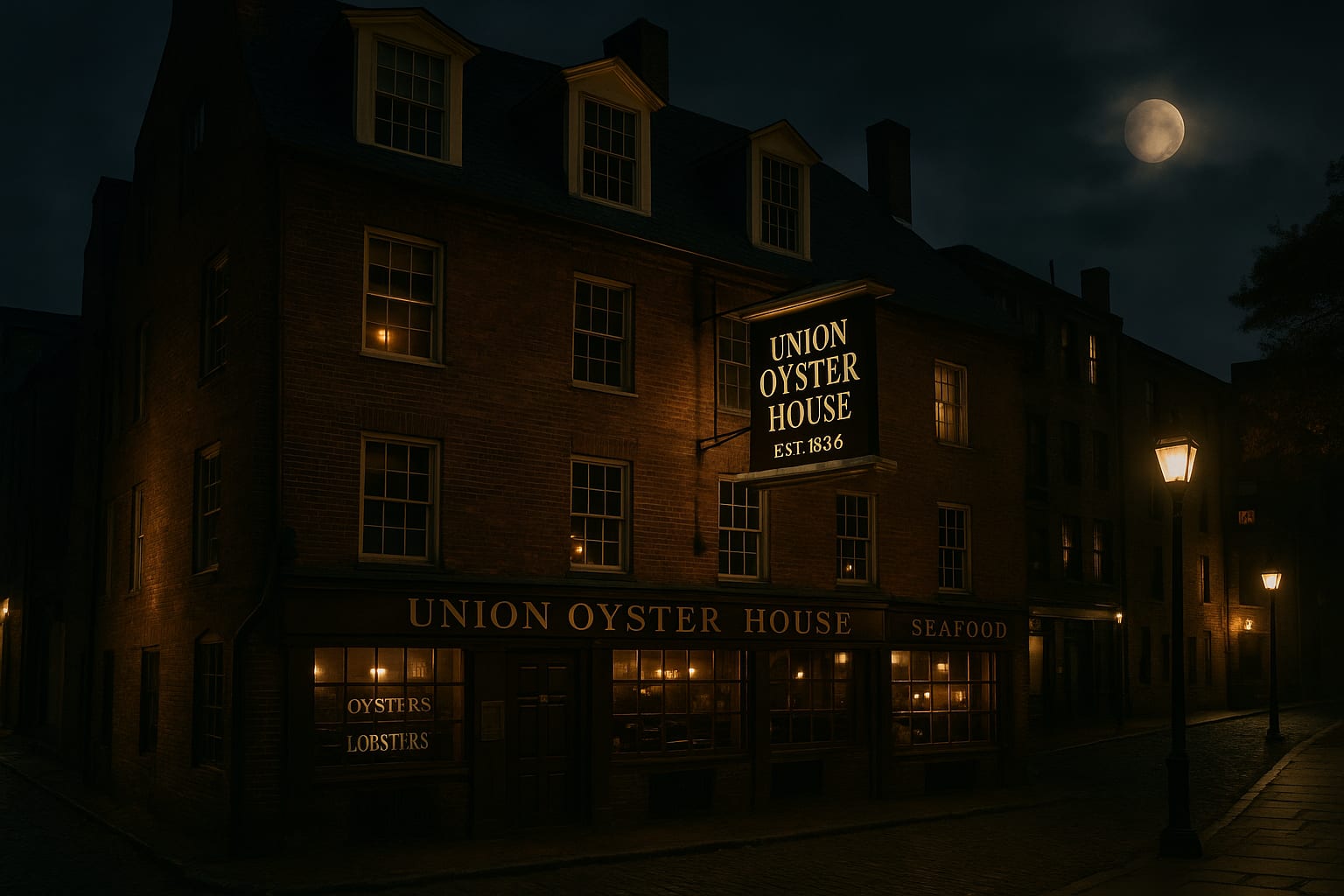
Begin at the Union Oyster House.
This is not a suggestion born from convenience or culinary rankings. The Union Oyster House is the oldest continuously operating restaurant in America, established in 1826 in a building that dates to 1714. It is a place where every creak of the floorboards, every flicker of the gaslamp-style lighting, every draft that moves through the dining room without an identifiable source carries the accumulated weight of three centuries of continuous human occupation.
Before it was a restaurant, the building housed a dress goods importer. Before that, it was a gathering place for pre-Revolutionary War dissidents. Isaiah Thomas published his radical newspaper, The Massachusetts Spy, from the upper floors. Louis Philippe, the future King of France, lived upstairs during his exile and taught French to wealthy Bostonians to survive. The building absorbed decades of political tension, exile, revolution, and commerce before a single oyster was ever shucked within its walls.
Today, the Union Oyster House operates on two levels — the visible and the invisible. On the visible level, it is a functioning restaurant serving New England seafood to tourists and locals in a setting that feels authentically old because it is authentically old. On the invisible level, it is a building where staff members have reported unexplained phenomena for as long as anyone can remember. Cold spots that appear and vanish in specific locations. The sound of footsteps on the upper floors when no one is there. The sense — reported by servers, bartenders, and managers across decades — that certain parts of the building are occupied by presences that do not appear on the reservation list.
Order the chowder. Sit at the bar if you can — the original wooden bar, worn smooth by millions of hands. Let the atmosphere settle around you. You are not just eating dinner. You are beginning your evening in a building that has been absorbing human energy since before the American Revolution, and you are giving yourself time to shift from the daylight version of Boston to the version that emerges after dark.
This is the tone-setter. Everything that follows builds from here.
7:30 PM — Walk Through Boston's Darkest History
Leave the Union Oyster House and walk south. The light is fading now — or gone entirely, depending on the season — and the streets between the restaurant and Boston Common are about to deliver the first real atmospheric shift of the evening.
This is the self-guided walking portion of the itinerary, and it is designed to build tension. You are moving through the oldest parts of Boston, past buildings that predate the Revolution, along streets that were laid out when the city was still a colonial settlement clinging to a peninsula surrounded by water on three sides. The Freedom Trail markers are underfoot — red brick or painted lines set into the sidewalk — and at night, with fewer people following them, they feel less like a tourist attraction and more like a path leading somewhere you are not entirely sure you want to go.
Your first stop is Boston Common.
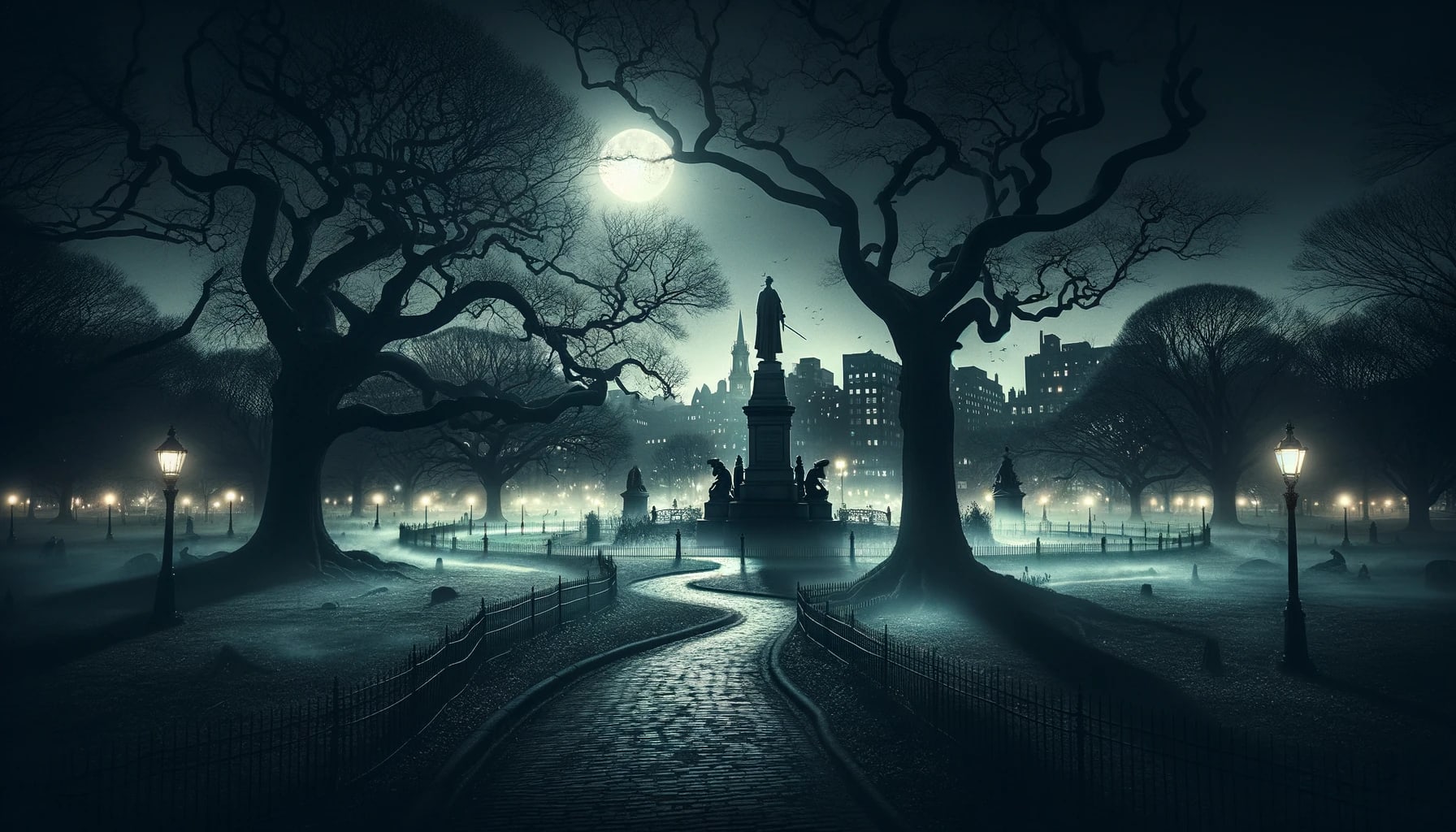
Established in 1634, Boston Common is the oldest public park in America. During the day, it is a pleasant green space where families picnic and tourists rest between attractions. At night, it becomes a reminder of what this ground actually witnessed. Public hangings were conducted on the Common for over a century. Mary Dyer, a Quaker, was hanged here in 1660 for the crime of returning to Boston after being banished for her faith. Pirates were executed on the Common and their bodies displayed as warnings. British soldiers camped here during the occupation, and the Common served as a staging ground for the violence that followed.
The reported hauntings on Boston Common are consistent and long-standing. Visitors describe seeing figures in period clothing who vanish when approached. Cold spots appear in areas associated with the gallows site. And on quiet nights, when the traffic noise fades and the park settles into darkness, there is a feeling — described by guests, guides, and longtime Bostonians alike — that the Common is not empty. That something is here, in the ground, in the air, watching from between the trees.
The Burial Grounds at Dusk
From Boston Common, walk northeast along Tremont Street. Within minutes, you will reach the Granary Burying Ground — and the atmosphere will shift again.
The Granary is one of the most famous cemeteries in America, and it earns that reputation. Paul Revere is buried here. Samuel Adams is buried here. John Hancock, the victims of the Boston Massacre, Benjamin Franklin's parents — the headstones read like a roster of the American Revolution. Over 5,000 bodies rest in a space designed for far fewer, and only 2,300 markers remain. The discrepancy between the number of dead and the number of stones tells you everything you need to know about how this city treated its burial grounds: it filled them, overfilled them, and then built around them because there was no room to expand.
At dusk, the Granary transforms. The headstones — crooked, weathered, some of them three centuries old — cast long shadows across the uneven ground. The iron fence separates you from the street, but it does not separate you from the feeling that rises out of the graves as the light fails. Visitors report cold spots concentrated around specific headstones. Photographs taken here have captured anomalies that defy easy explanation. And the sensation of being watched — of eyes on the back of your neck — is reported so consistently that guides no longer treat it as remarkable. It is simply what happens at the Granary after dark.
Continue north to King's Chapel Burying Ground, Boston's oldest cemetery. Established in 1630 — the same year the Puritans arrived — King's Chapel holds the remains of the city's earliest settlers. The graves here are older than the concept of the United States. The people buried in this ground died in a world that would not see independence for another century and a half, and the weight of that — the sheer accumulation of time and death in a space barely larger than a city block — is palpable.
King's Chapel Burying Ground is also where the reported phenomena take on a more personal quality. Visitors describe not just cold spots or shadowy figures, but specific sensations — a hand on the shoulder, a whisper too close to the ear, the feeling of someone standing immediately behind you who is not there when you turn around. Whether these experiences are paranormal or psychological is a question each visitor must answer for themselves. But the consistency of the reports, across decades and across thousands of visitors, is difficult to dismiss.
Stand between these two burial grounds as the last light fades. You are surrounded by the dead — literally, on both sides, beneath your feet, and in the ground that stretches under the buildings and streets in every direction. Boston is built on its dead. This is where you feel it.
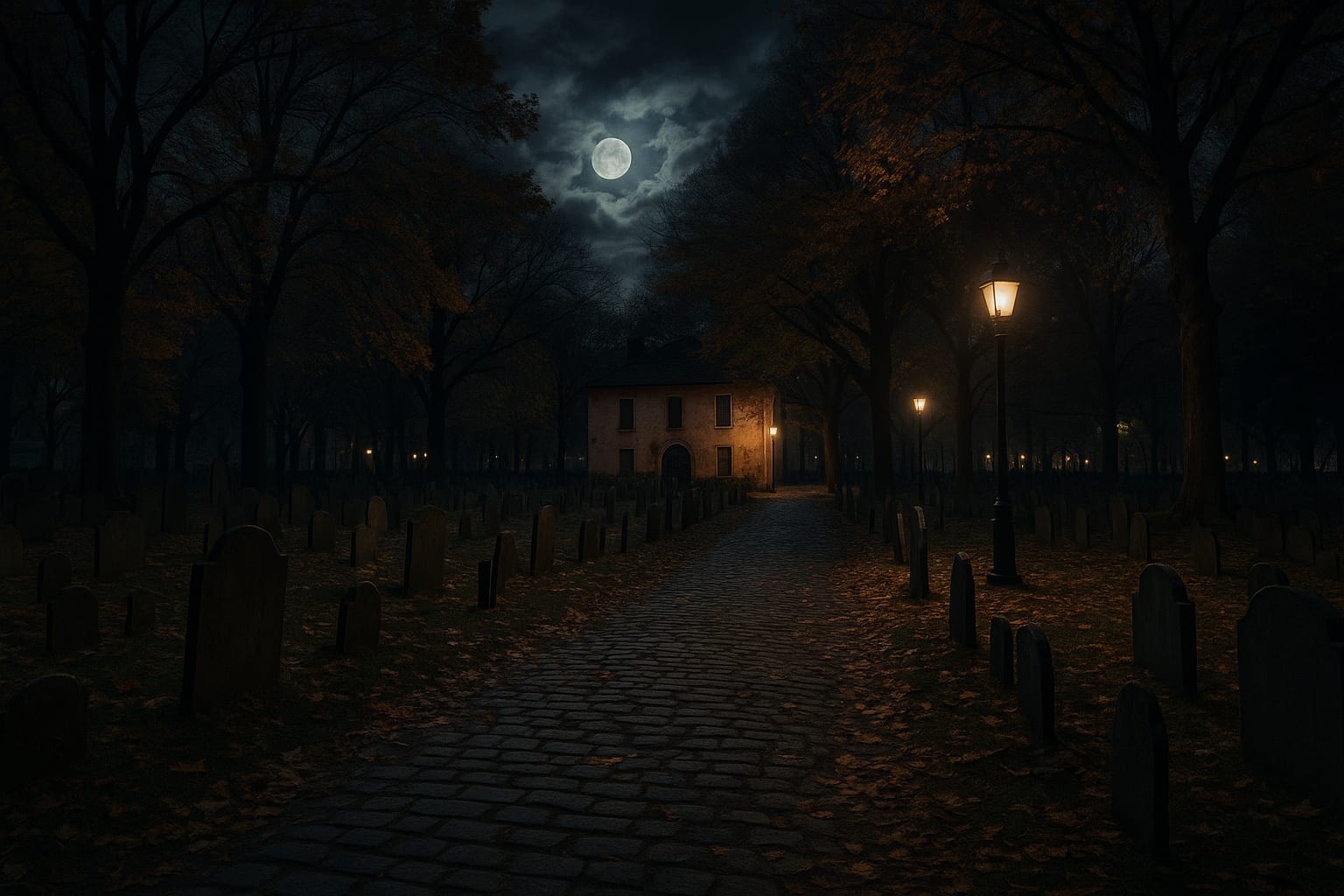
Granary Burying Ground
The final resting place of Paul Revere, Samuel Adams, and over 5,000 colonial-era Bostonians. Only 2,300 markers remain for the thousands buried here, and visitors report unexplained phenomena among the crooked headstones.
Read More
King's Chapel Burying Ground
Boston's oldest cemetery, established in 1630, holds the remains of the city's earliest Puritan settlers. Visitors report whispers, phantom touches, and the overwhelming sensation of a presence standing just behind them.
Read More8:30–10:00 PM — Take a Ghost Tour (The Core Experience)
You have walked the streets. You have stood among the dead. You have felt the atmosphere thicken around you as the city darkened and the crowds disappeared. Now it is time for the experience that ties everything together — the experience that transforms a self-guided walk into something that will stay with you long after you leave Boston.
A ghost tour with Ghost City Tours is not a performance. It is not a haunted house on wheels or a guide in a costume jumping out from behind a headstone. It is a walking experience led by storytellers who know Boston's dark history at a depth that no plaque, no guidebook, and no phone screen can replicate. The locations you have already visited will come alive — or come undead — in ways you did not anticipate, because the stories behind the hauntings are always darker, stranger, and more human than the surface suggests.
Ghost City Tours offers three distinct experiences in Boston, and each one is designed for a different kind of night. The one you choose should match your group, your mood, and the amount of darkness you are prepared to absorb.
If you want the quintessential haunted Boston experience:
The Ghosts of Boston Tour is the flagship — a family-friendly walking tour that covers the city's most famous haunted locations with storytelling that balances historical accuracy with genuine atmosphere. This is the tour that has earned Ghost City Tours its reputation as the highest-rated ghost tour company in Boston, and it is the right choice for families, for first-time visitors, and for anyone who wants a comprehensive introduction to the city's haunted side without venturing into territory that might keep the kids awake all night.
If you want the unvarnished truth:
The Death & Dying Tour goes where the family tour does not. This is the adults-only experience — the tour that explores the murders, the epidemics, the executions, and the tragedies that the polite version of Boston history prefers to forget. The stories are real. The locations are real. And the guides who lead this tour do not soften the edges. If you came to Boston looking for the darkness behind the charm, this is where you will find it.
If you want ghosts with your drinks:
The Haunted Pub Crawl is for guests 21 and over who believe that the best ghost stories are told with a drink in hand. This tour visits haunted bars and historic taverns where revolutionaries once plotted treason and where the paranormal activity reported by staff and patrons has become part of the establishments' identities. It is the most social of the three tours and the ideal choice for groups of friends, for date nights that need a spark, and for anyone who wants to experience haunted Boston without taking themselves too seriously.
The ghost tour is the centerpiece of this itinerary. Everything before it builds the atmosphere. Everything after it extends the experience. But this — standing on a dark street corner while a guide tells you exactly what happened on this spot, exactly who died, and exactly what people have reported seeing in the centuries since — this is the moment the night becomes real.
10:00 PM — Drinks in Haunted Taverns
The tour is over. The stories are still settling in your mind. And now you need a drink — not because the night is winding down, but because the night is about to enter its next phase, and Boston's haunted taverns are where it happens.
Boston's colonial-era taverns were not just places to drink. They were the nerve centers of a revolution — volatile, emotionally charged environments where alliances were forged, conspiracies were hatched, and the fate of a nation was debated over pints of ale by men who knew that failure meant the gallows. The emotional residue of those encounters — revolutionary fervor mixed with fear, anger, grief, and defiance — is exactly the kind of energy that does not dissipate with time. It soaks into the walls. It settles into the floorboards. And it waits.
Start at the Bell in Hand Tavern. Established in 1795 by Jimmy Wilson, Boston's last town crier, the Bell in Hand is the oldest continuously operating tavern in the United States. Two centuries of continuous operation means two centuries of accumulated energy — laughter, arguments, celebrations, fights, and the quiet, solitary drinking of people who came here alone and never told anyone what they saw. Staff report glasses that move on their own, cold spots that appear and vanish in the back of the room, and the sound of conversations in areas that are completely empty. Order a beer. Sit at the bar. And pay attention to the spaces around you that feel colder than they should.
From the Bell in Hand, walk to the Green Dragon Tavern. Known as the Headquarters of the Revolution, the Green Dragon is where the Boston Tea Party was planned. Paul Revere, Samuel Adams, and John Hancock sat in this building — or rather, in the building that stood on this site before it was demolished in 1854 — and plotted acts of treason that they knew could cost them their lives. The original tavern is gone, but the site has never been free of the energy that accumulated within its walls during the most dangerous years in American history. The current establishment embraces its haunted legacy, and visitors report the unmistakable sense that the revolutionaries never entirely left.
If you have the energy and the inclination, cross the river to Charlestown and visit the Warren Tavern. Named for Dr. Joseph Warren, the patriot killed at the Battle of Bunker Hill, the Warren Tavern was one of the first buildings erected after the British burned Charlestown to the ground in 1775. George Washington drank here. Paul Revere drank here. The tavern's connection to the Revolution and to the men who fought and died for it has made it one of Boston's most reliable sources of paranormal reports — figures in colonial-era clothing, unexplained disturbances, and an atmosphere that feels heavy with something the living cannot quite identify.
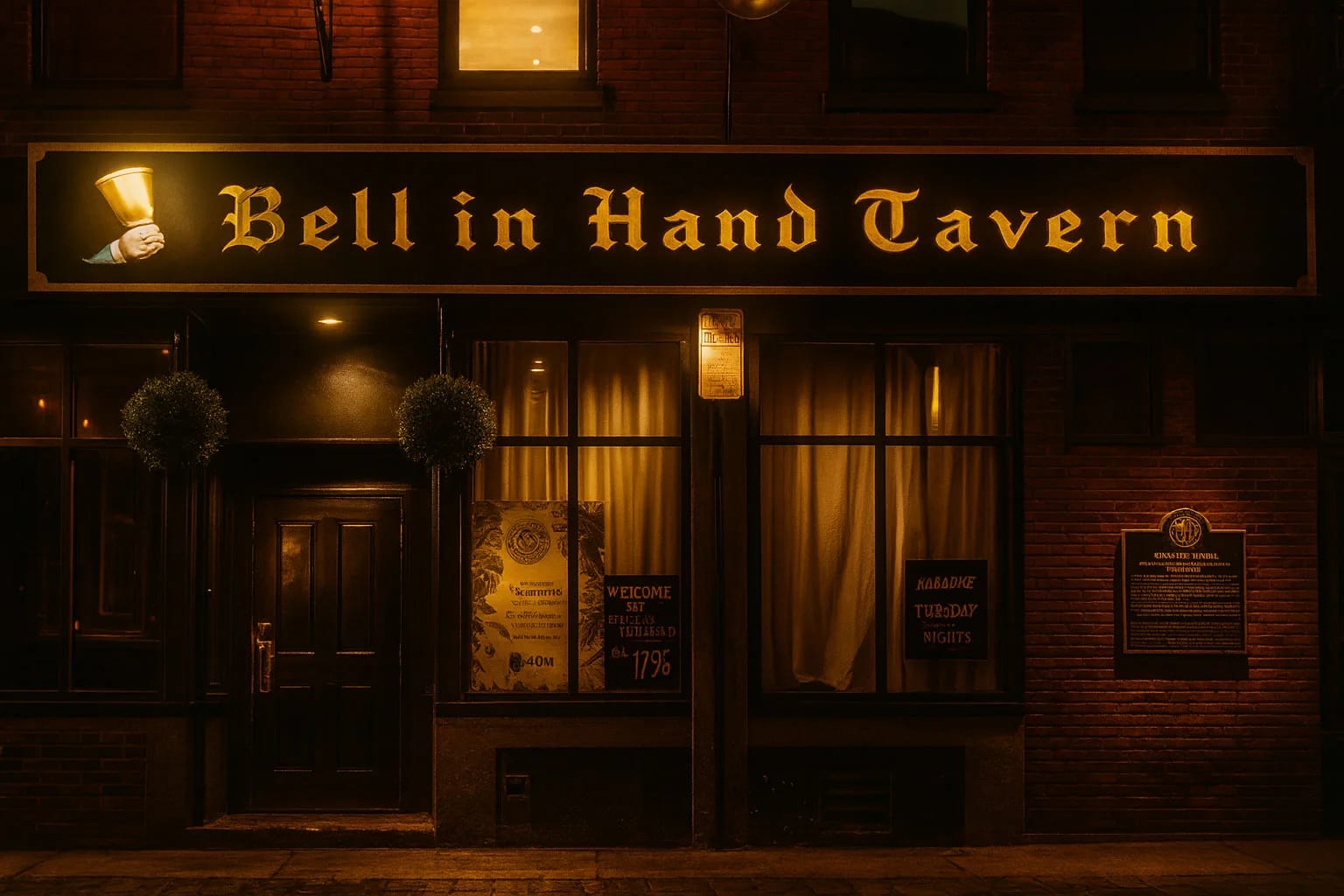
Bell in Hand Tavern
The oldest continuously operating tavern in America. Staff report glasses moving on their own, phantom conversations in empty rooms, and cold spots that appear without warning.
Read More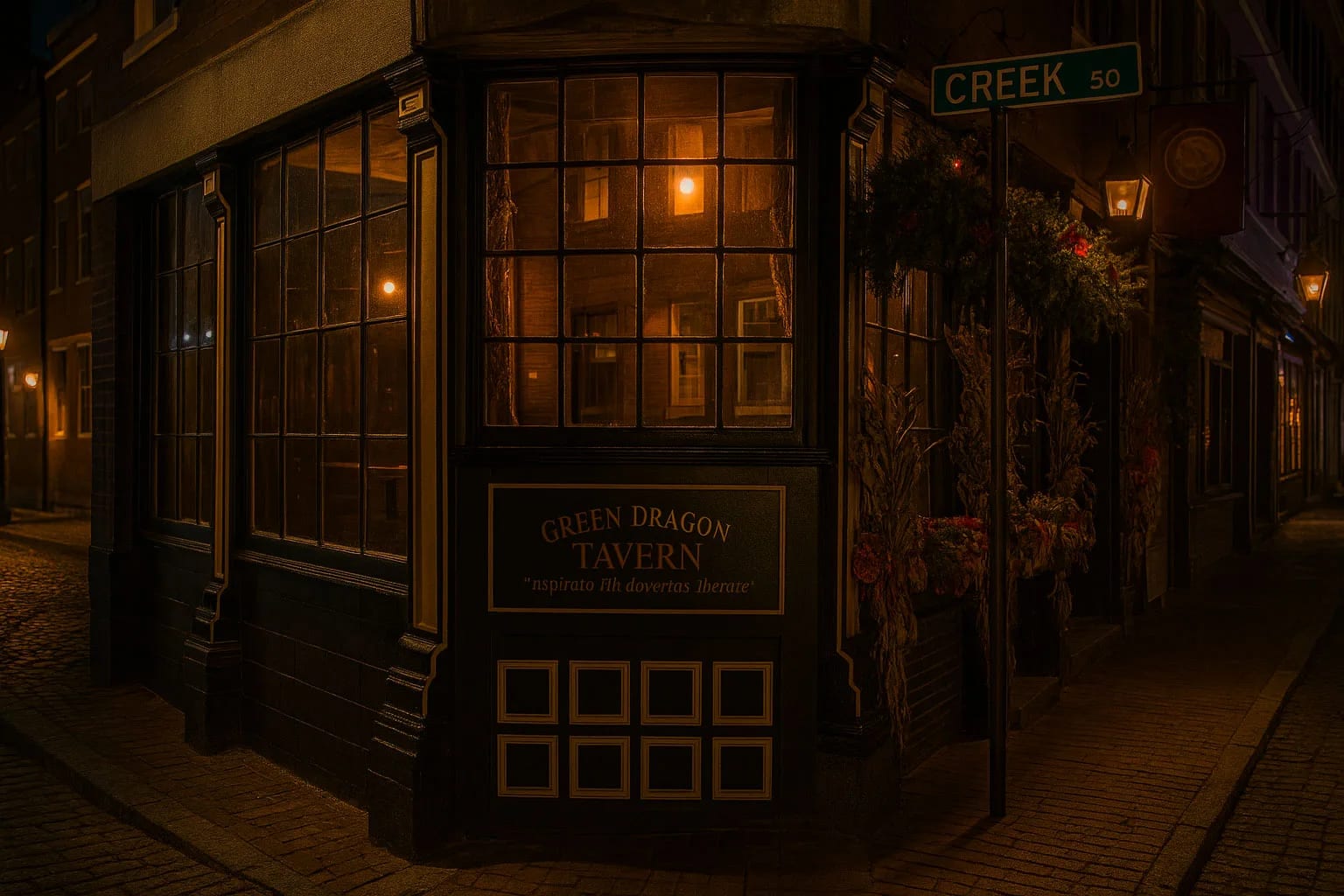
The Green Dragon Tavern
The 'Headquarters of the Revolution' where the Boston Tea Party was planned. The revolutionaries who risked hanging for treason in this building may never have left.
Read More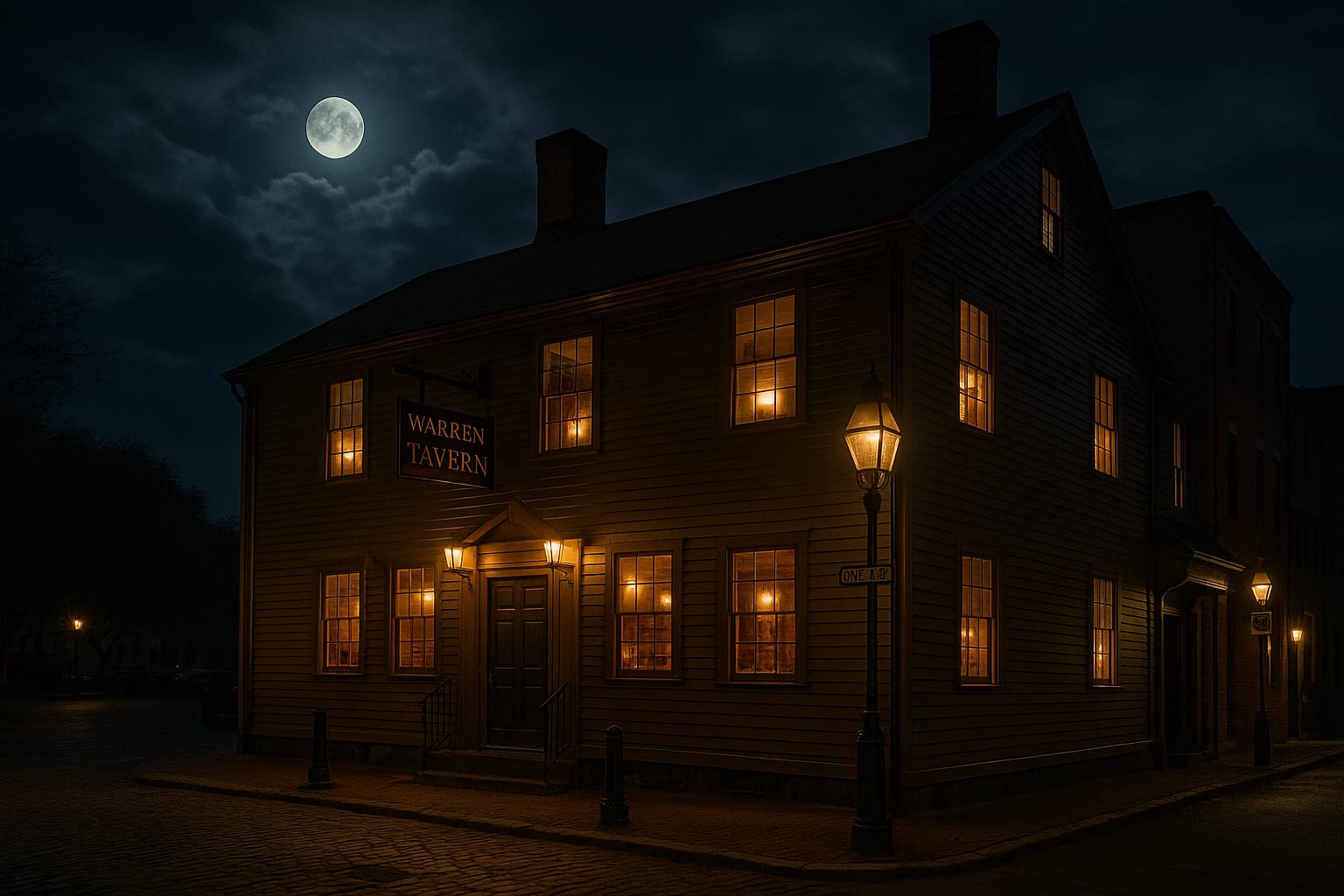
Warren Tavern
Named for the patriot killed at Bunker Hill, the Warren Tavern was frequented by Washington and Revere. Colonial-era apparitions and unexplained disturbances have been reported for generations.
Read More11:30 PM — Late Night Encounters
The taverns close. The streets empty. And Boston enters its final transformation of the night — the one that most visitors never see because they are already back at their hotels, scrolling through the photographs they took at the Granary and wondering why that one shot near Paul Revere's headstone looks the way it does.
If you are still out, the city rewards you. After midnight, Boston becomes a different place. The traffic noise disappears entirely in the oldest neighborhoods. The streetlights — dim by modern standards in many of the historic areas — cast pools of yellow light that leave deep shadows between them. The buildings, which during the day feel like charming relics of another era, begin to feel like what they actually are: structures that have stood for centuries, absorbing everything that happened within and around them, holding it in their brick and timber and stone.
Copp's Hill Burying Ground in the North End is one of Boston's most atmospheric locations at this hour. Established in 1659, Copp's Hill overlooks the harbor from a rise that once offered a strategic vantage point — a fact the British exploited during the Revolution, using the cemetery as an artillery position and the headstones for target practice. The bullet holes are still visible in some of the stones. At night, with the harbor lights reflecting off the water below and the cemetery dark and silent above, Copp's Hill feels like a place where the boundary between the living and the dead has worn dangerously thin.
The Charles Street Jail — now the Liberty Hotel — is worth visiting even if you are not a guest. The building operated as a prison from 1851 to 1990, housing inmates in conditions that deteriorated so severely that the jail was eventually condemned as unfit for human habitation. The conversion to a luxury hotel preserved the building's granite facade, its soaring atrium, and its unmistakable sense of institutional weight. Guests and staff report encounters with presences that do not belong to the living — shadows in the corridors, unexplained sounds from the upper floors, and an atmosphere of unease that no amount of renovation has been able to eliminate. Stand outside and look up at the windows. Some of them glow warmly with hotel lighting. Others are dark. And in the dark ones, according to reports that span decades, figures are occasionally seen standing motionless, looking down at the street.
A note on respect: These locations are historic sites and, in many cases, final resting places. Do not trespass. Do not climb fences or enter areas that are closed. Do not attempt to investigate, provoke, or disturb. The best experiences come to those who approach with quiet attention and respect — who observe rather than intrude, and who understand that the people buried in these grounds and imprisoned in these walls were real people who suffered real pain. Honor that. The night will give you more in return.
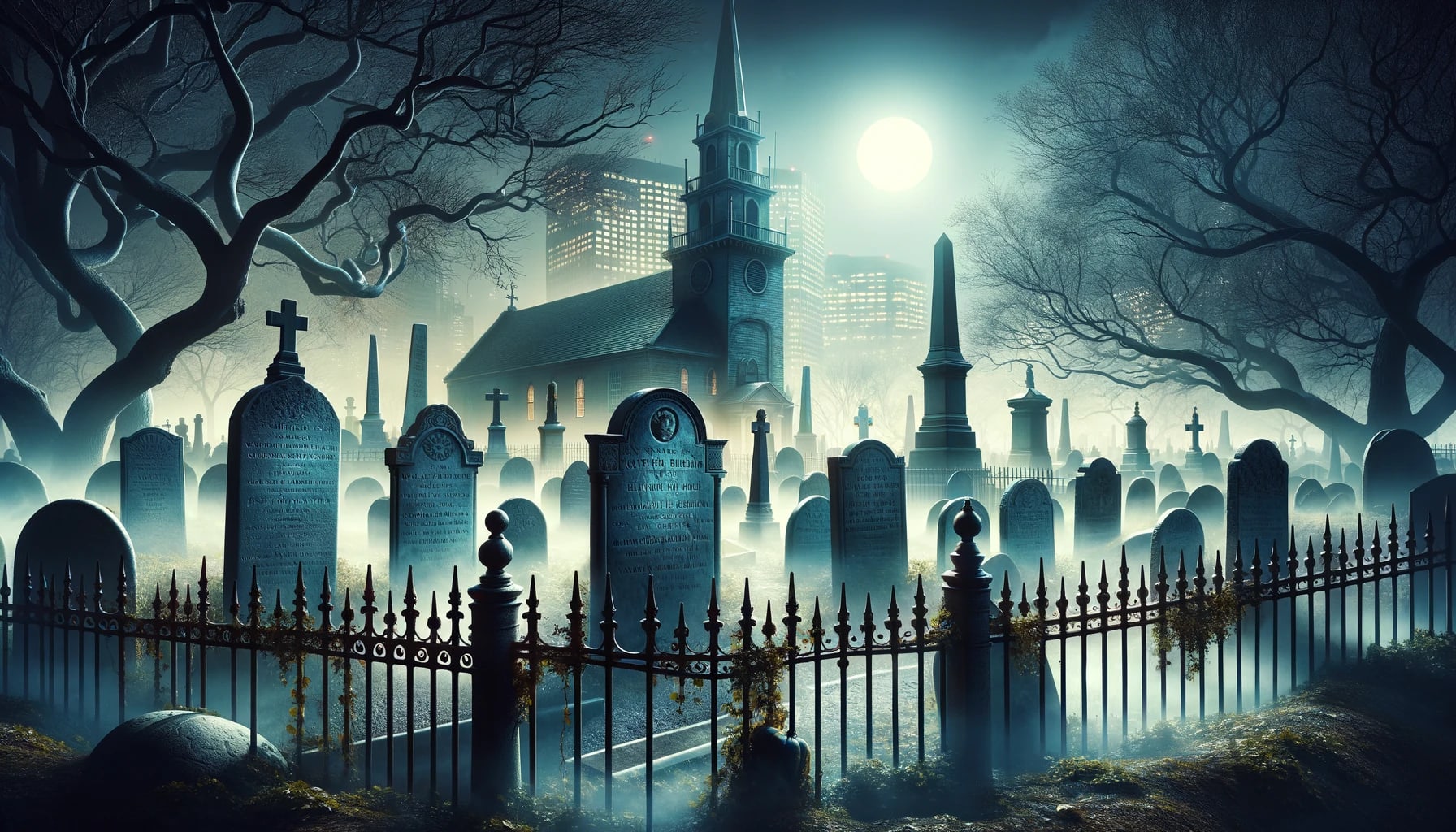
Copp's Hill Burying Ground
Boston's second oldest cemetery overlooks the harbor from the North End. British soldiers used its headstones for target practice, and the paranormal activity reported here has persisted for centuries.
Read More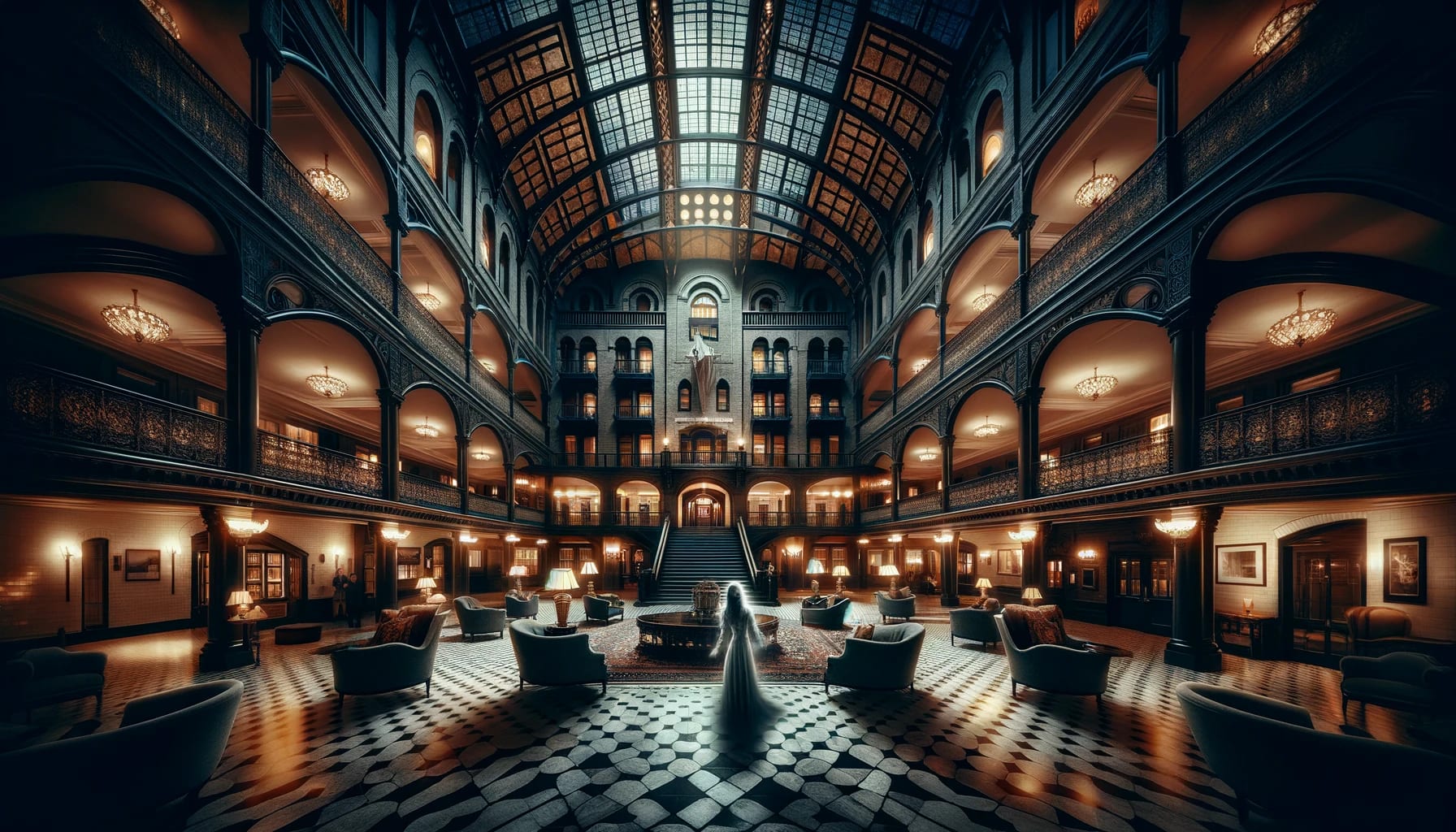
Charles Street Jail
Now the Liberty Hotel, the former Charles Street Jail operated for nearly 140 years and was condemned before closing. Guests report ghostly encounters in the converted corridors and darkened windows.
Read MoreWhat People Experience at Night in Boston
The question that comes up most often — from guests after the tour, from readers who have followed itineraries like this one, from locals who have lived in Boston's oldest neighborhoods for decades — is not whether Boston is haunted. It is why so many people are reluctant to talk about what they experienced.
The answer is simple: it is one thing to read about ghosts. It is another thing entirely to stand in a cemetery at dusk and feel a hand on your shoulder that belongs to no one. It is one thing to enjoy a ghost story told by a professional guide. It is another to walk back to your hotel alone afterward and hear footsteps behind you that stop when you stop and start when you start.
Our guides have spoken to thousands of guests over the years, and the pattern is remarkably consistent. The experiences that unsettle people the most are not the dramatic ones — not the full-body apparitions or the objects flying off shelves. The experiences that stay with people are the quiet ones. The cold spot that appeared around a specific headstone and vanished when they stepped away. The voice they heard — not a shout, not a scream, but a whisper, close and clear — in a room or a street that was demonstrably empty. The photograph they took that shows something in the background that was not visible to the naked eye.
Boston does not need to manufacture its ghosts. Nearly four centuries of death, disease, warfare, and tragedy have done that work already. The city simply provides the stage — the cobblestones, the burial grounds, the brick and timber buildings that have been standing since before the Revolution — and the dead provide the rest.
Most people do not talk about it openly. They mention it to the guide at the end of the tour. They tell their travel companion in the hotel room later that night. They write about it in reviews weeks afterward, framing it carefully, qualifying it, making sure the reader understands that they are not the kind of person who believes in ghosts — except that something happened, and they cannot explain it, and it has not left them.
That is haunted Boston. Not the version in the brochures. The version that follows you home.
Stay the Night (If You Dare)
If you want to extend this itinerary beyond the streets and into the small hours, the logical next step is to sleep — or try to sleep — in a building where the dead are known to keep their own hours.
The Omni Parker House is the longest continuously operating hotel in the United States, opened in 1855 and operating without interruption ever since. Its guest list reads like an American history textbook — Charles Dickens lived here for two years, conducting readings and hosting dinners. John F. Kennedy proposed to Jackie in the restaurant. Malcolm X worked as a busboy. Ho Chi Minh worked in the kitchen. The hotel invented the Boston cream pie and the Parker House roll. It is, by any measure, one of the most historically significant hotels in the country.
It is also one of the most haunted.
The ghost of Harvey Parker, the hotel's founder, is the most frequently reported presence. Guests on the upper floors describe the smell of cigar smoke in non-smoking rooms, doors that open and close without assistance, and the unmistakable feeling of someone standing beside the bed in the middle of the night. The tenth floor — where Parker spent his final years — is the epicenter of the reports, but activity has been described on nearly every floor. Housekeeping staff have reported beds that are unmade minutes after being made, faucets that turn on in empty rooms, and elevators that stop on the third floor without being called.
The Fairmont Copley Plaza, built in 1912 on the site where the original Museum of Fine Arts once stood, offers a different kind of haunted experience. Where the Omni Parker House is intimate and dense with history, the Fairmont is grand — soaring ceilings, gilded ballrooms, and the kind of elegance that makes the paranormal feel almost refined. Staff members have reported encountering a woman in Victorian-era clothing on the upper floors who vanishes when approached. Unexplained temperature drops in specific rooms, electronic devices that malfunction without explanation, and the sound of a piano playing in empty ballrooms are among the recurring reports.
Book a room. Turn off the lights. And pay attention to the space between sleeping and waking — that liminal hour when the hotel is silent, the corridors are empty, and the building settles into a stillness that does not feel entirely still. Some guests sleep soundly. Others do not. The difference, according to those who have experienced it, is not imagination. It is company.

Omni Parker House
America's longest continuously operating hotel, where the ghost of founder Harvey Parker roams the upper floors and guests report cigar smoke, self-opening doors, and midnight visitations.
Read More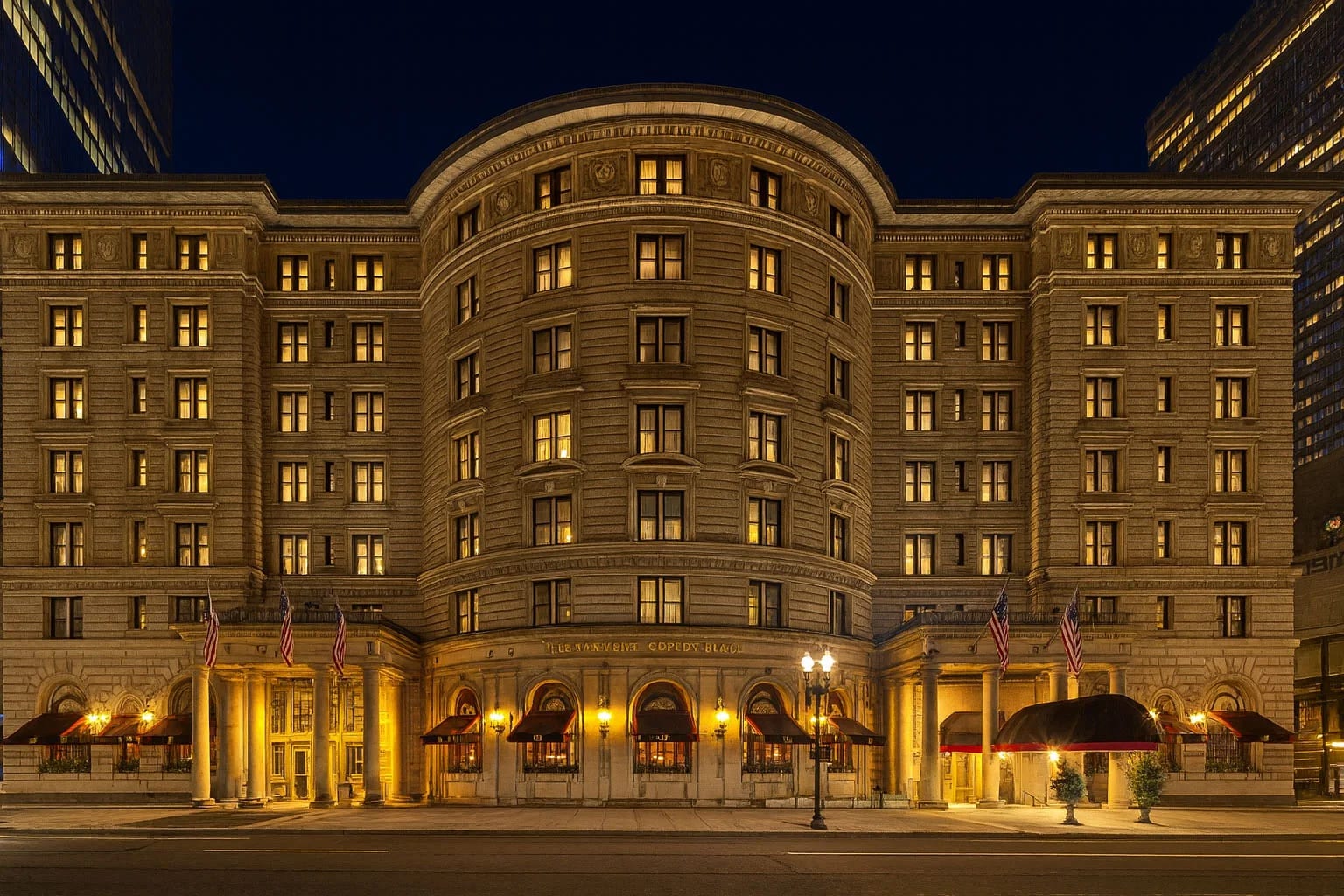
Fairmont Copley Plaza
Built in 1912, the Fairmont Copley Plaza hosts a Victorian-era apparition on the upper floors, phantom piano music in empty ballrooms, and unexplained temperature drops that no renovation has resolved.
Read MoreA City That Never Rests
You will leave Boston eventually. You will pack your bag, check out of your hotel, and rejoin the daylight version of the city — the version with duck boats and lobster rolls and students jogging along the Charles River. The cobblestones will look quaint again. The burial grounds will look like historic landmarks. The taverns will be serving lunch to people who have no idea what those walls have witnessed.
But you will know.
You will know what Boston feels like after dark — the weight of it, the silence of it, the way the city holds its dead so close to the surface that you can feel them pressing upward through the brick and stone. You will know what it is like to stand in a cemetery at dusk and feel something shift in the air around you. You will know the stories behind the headstones, behind the tavern walls, behind the hotel doors that open and close on their own.
Boston does not let you forget. It is not that kind of city. The history here is not safely behind glass in a museum. It is underfoot. It is in the walls. It is in the air between the streetlights on a quiet night when the wind drops and the city goes still and you realize, with absolute certainty, that you are not alone.
That is the night this itinerary gives you. Not a checklist. Not a photo opportunity. An experience — one that will follow you home and settle into your memory the way Boston's dead have settled into its ground.
Not quite gone. Not quite finished.
Waiting.
Explore all Ghost Tours in Boston and book the night you will never forget.
Frequently Asked Questions
What is the best time to start a haunted Boston itinerary?
Begin at sunset for the best atmospheric experience. In spring and fall, this means starting around 5:30–6:00 PM. In summer, closer to 7:00 PM. In winter, as early as 4:00 PM. The early darkness of winter creates an especially intense atmosphere for exploring Boston's haunted locations.
Is this haunted itinerary family-friendly?
Yes. Families can follow the early evening portion — dinner at the Union Oyster House, a walk through the burial grounds at dusk, and the family-friendly Ghosts of Boston Tour. The atmosphere is magical without being frightening, and the stories are grounded in real history. The late-night portions and the Death & Dying Tour are better suited for adults.
Do I need a car to follow this itinerary?
No. Boston is a walking city and all locations on this itinerary are within comfortable walking distance of each other. The entire route covers approximately 2 to 3 miles of easy walking on sidewalks, brick paths, and cobblestone streets. Comfortable shoes are recommended.
What ghost tours does Ghost City Tours offer in Boston?
Ghost City Tours offers three ghost tour experiences in Boston: the Ghosts of Boston Tour, a family-friendly exploration of the city's most famous haunted locations; the Death & Dying Tour, an adults-only deep dive into Boston's darkest history; and the Haunted Pub Crawl, a 21+ experience combining ghost stories with visits to Boston's most haunted taverns.
What are the most haunted places to visit at night in Boston?
The most atmospheric haunted locations after dark include the Granary Burying Ground, King's Chapel Burying Ground, Boston Common, Copp's Hill Burying Ground, and the area around Faneuil Hall. The colonial taverns — Bell in Hand, Green Dragon, and Warren Tavern — offer haunted experiences with a drink in hand. The Omni Parker House and Fairmont Copley Plaza are the city's most haunted hotels.
How long does the full haunted Boston itinerary take?
The complete itinerary — from dinner at 6:00 PM through late-night exploration — takes approximately 5 to 6 hours. The timeline is flexible and can be shortened for families or extended for visitors who want to explore every haunted location and stay for drinks at multiple taverns.
Is Boston safe to walk around at night?
The areas covered by this itinerary — downtown Boston, the North End, Beacon Hill, and Charlestown — are well-lit, well-traveled, and generally safe for nighttime walking. As with any city, stay aware of your surroundings, stick to populated areas, and use common sense. The ghost tour provides a guided group experience during the core evening hours.