In the quiet residential streets of Alexandria's Colross neighborhood, residents live and work atop the remnants of one of Northern Virginia's most troubled colonial estates. What was once Colross Plantation—a sprawling tobacco empire built on the suffering of enslaved people and marked by tragedy, violence, and untimely death—now lies buried beneath modern homes and manicured lawns. But according to longtime residents, maintenance workers, and those who dare walk the area after dark, the past refuses to stay buried.Colross Plantation was established in the mid-1700s by Jonathan Swift, a wealthy Scottish merchant and tobacco planter who built his fortune through the brutal system of enslaved labor. The main house, constructed around 1755, was a grand Georgian manor that stood as a symbol of colonial wealth and power. But behind the elegant facade lay stories of cruelty, sudden deaths, and whispered rumors of murder that would haunt the property for centuries to come.Though the original manor house was demolished in the 20th century and the land subdivided into a residential neighborhood, those who live there report that the spirits of Colross have not moved on. Through interviews with current residents, former groundskeepers, and local historians, a chilling picture emerges of a place where the boundary between past and present remains dangerously thin.
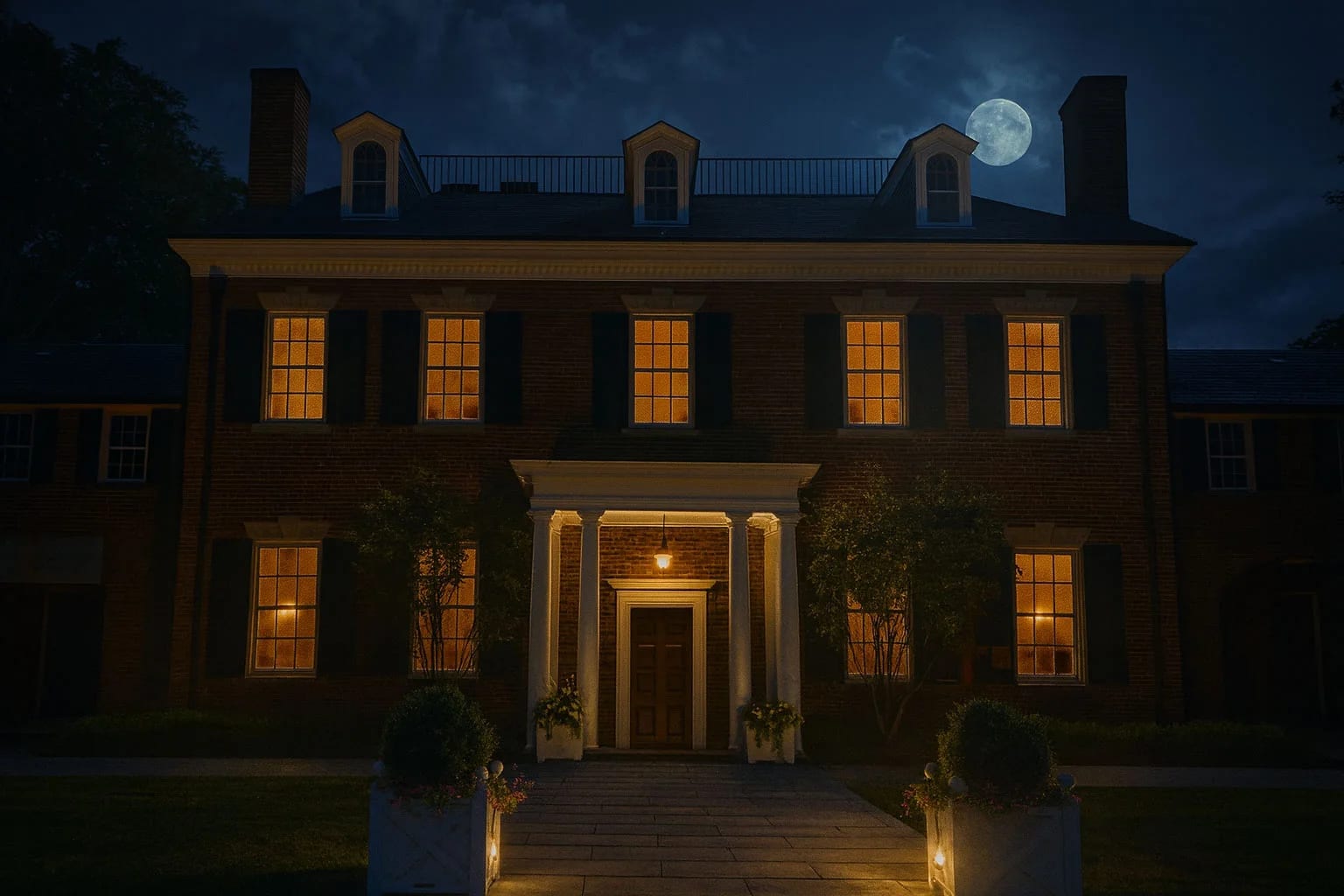
Shadow Figures and Screaming Spirits Haunt Alexandria's Forgotten Estate
••By